Dog Knee Pain: 5 Steps to Manage Patellar Luxation Now
"A slight limp or a sudden hesitation before jumping onto the couch isn't just tiredness; it's often a silent cry for help from a shifting joint."
Patellar luxation occurs when the small bone at the knee slides out of its natural groove. If caught early, you can often slow the progression through diet and home modifications, but leaving it untreated frequently leads to unavoidable surgery.
* Understanding the stages of patellar luxation * Identifying subtle warning signs in daily behavior * Modifying your home environment for joint safety * The critical role of weight management and muscle strength

Is your dog suddenly lifting a hind leg while walking?
At 4:00 PM, a golden retriever playing fetch in the backyard suddenly yelps and freezes, holding one back leg high in the air. A few seconds later, the dog trots away as if nothing happened, leaving the owner feeling a knot of anxiety in their chest.
Patellar luxation is a condition where the patella, which maintains the stability of the knee joint, moves out of its proper position. When this bone shifts to the side, it creates friction within the joint, leading to inflammation and pain.
Veterinarians generally categorize this condition into four stages. Stage 1 involves the bone slipping out and then popping back into place on its own. By Stage 4, the bone is permanently displaced to the outside, often resulting in visible leg deformity.
The greatest risk is assuming the issue is a temporary injury. As the frequency of the dislocation increases, the damage to the joint cartilage accelerates rapidly.
In 2025, this was noted as one of the most common joint issues in small breed dogs. As of July 2026, observing subtle changes in your dog's gait remains the single most effective way to ensure early detection.
Many owners currently report that they only notice the problem once the walking pattern has already changed significantly.
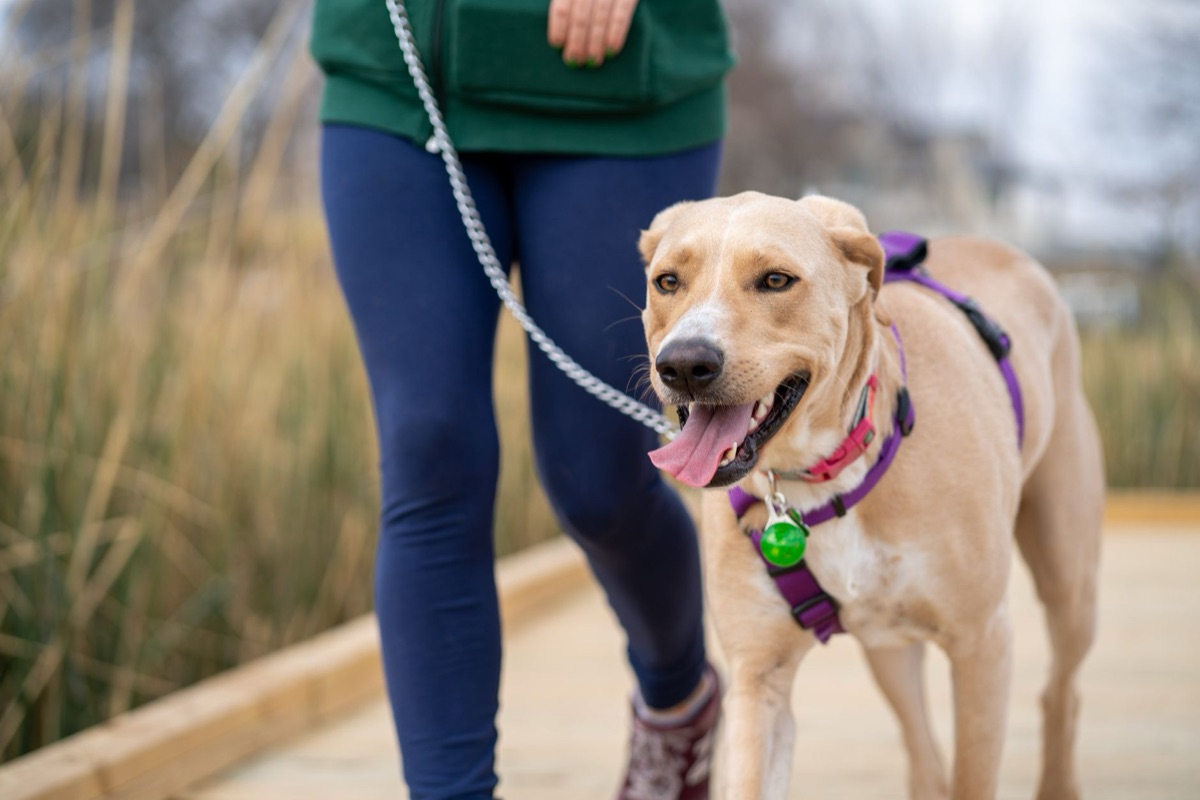
Subtle warning signs you might miss around the house
During dinner time, a small terrier approaches the food bowl but stumbles slightly, appearing to lack strength in the rear legs. A dog that usually sprints to the door might now hesitate specifically when facing the stairs or preparing to jump.
The early signs of patellar luxation are often incredibly subtle. You should watch closely if you notice any of the following behavioral shifts:
- Alternating between lifting one hind leg and the other (a "hopping" gait)
- Sudden pauses during walks due to discomfort
- Avoiding stairs, jumping, or high surfaces
- Visible thinning of the muscles in the rear legs
- Increased sensitivity or licking around the knee area
These symptoms often come and go. A dog might seem perfectly fine while playing vigorously but show signs of discomfort only when they are tired or after a long day of activity.
If you observe your dog limping or "bunny hopping" more than three to five times a day, it is time for a closer look. I once noticed that my own dog's reluctance to jump onto the sofa was the very first indicator of joint distress, even before a visible limp appeared.
Comparing the stages of patellar luxation
While petting your dog, run your hands along their legs to see if the knee area looks unusually prominent. As the condition progresses, the physical deformity becomes easier to see with the naked eye.
| Stage | Dislocation Status | Primary Characteristics | Management Goal |
|---|---|---|---|
| Stage 1 | Intermittent | Bone slips out but returns to position on its own | Environment & Weight Control |
| Stage 2 | Frequent | Dislocation happens often and is visible | Active Management & Vet Consultation |
| Stage 3 | Severe | Bone is rarely in place; leg deformity begins | Surgical Intervention Consideration |
| Stage 4 | Complete | Bone is permanently displaced; walking is difficult | Specialized Surgery & Rehabilitation |
While the approach changes depending on the stage, the core objective remains "preventing further deterioration." Without proper management during Stages 1 and 2, the transition to the surgical requirements of Stages 3 and 4 becomes much more likely.
I spent time reviewing clinical videos of these stages, and it became clear that managing the condition in the early stages is significantly less invasive and more successful for long-term mobility.
Changing your home environment can reduce pain
On a rainy morning, a dog loses traction on the hardwood floor, legs splaying outward as they try to gain grip. Every time the paws slide, the joint takes a micro-trauma that worsens the underlying instability.
The key to managing patellar luxation is minimizing the impact and twisting forces applied to the knee. You can improve your home environment with these steps:
- Install non-slip mats: Place runners or area rugs in high-traffic zones like hallways and living rooms to prevent sliding. 2. Use pet stairs or ramps: Provide dedicated steps for the bed, sofa, or car to prevent high-impact jumping. 3. Maintain paw hair: Keep the hair between the paw pads trimmed short to ensure better traction on various surfaces. 4. Elevate food bowls: Using a raised feeder can prevent unnecessary strain on the body while eating.
Slippery floors are one of the most significant physical triggers for displacing the patella. Simply laying down the right mats can significantly increase joint stability.
For best results, use mats that are approximately 5mm to 10mm thick to provide enough cushioning without creating a tripping hazard.
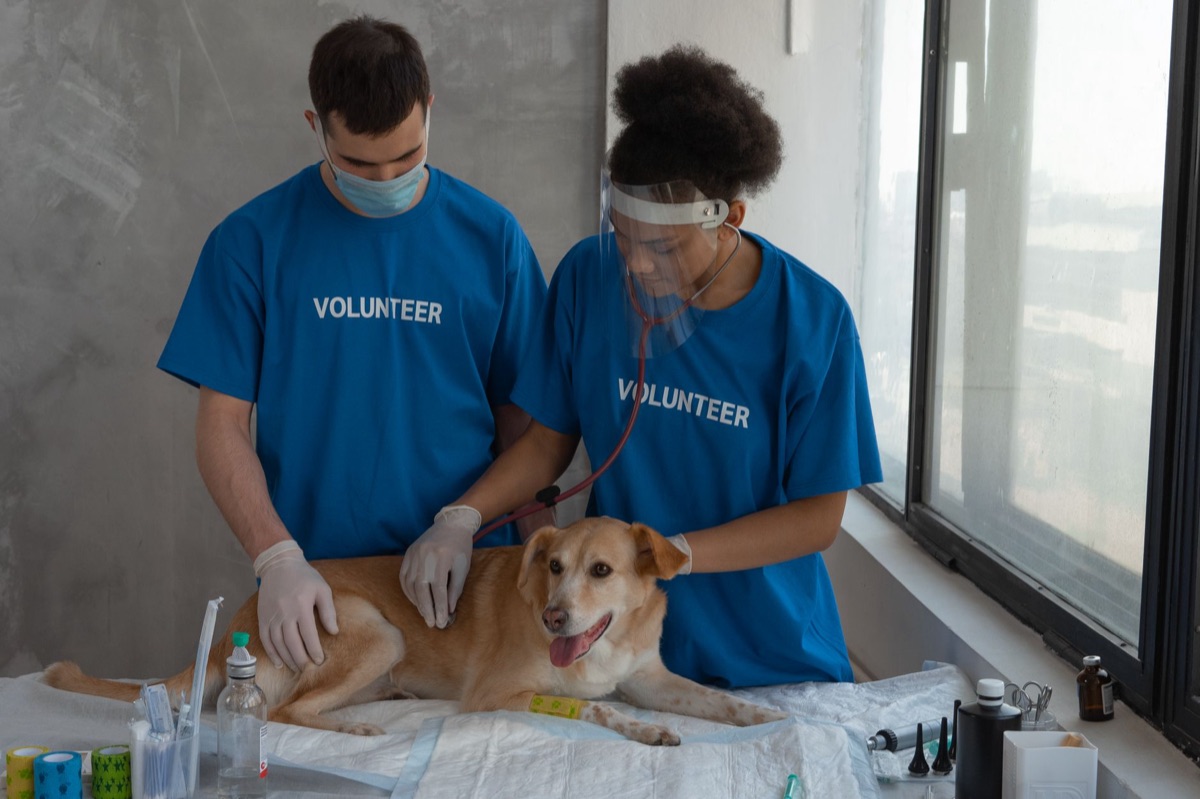
Muscle is the support system for the joint
While on a walk, watch how your dog's hind legs move through the grass. It is important to check if the muscles look firm and supportive or thin and weak.
When the patella attempts to slip out of its groove, the surrounding muscles act as the primary stabilizer. Stronger muscles can help hold the joint in place and mitigate the effects of a dislocation.
Weight management is just as vital as muscle maintenance. As body weight increases, the mechanical load on the knee joint increases exponentially.
- Maintain an ideal weight: You should be able to feel your dog's ribs easily without a thick layer of fat covering them. 2. Prioritize low-calorie nutrition: Ensure their diet matches their specific activity level. 3. Focus on low-impact exercise: Opt for steady walks on flat ground rather than high-intensity sprinting. 4. Consider hydrotherapy: Water-based exercises are excellent for building strength without putting heavy pressure on the joints.
However, sudden high-intensity workouts can trigger inflammation. Always consult with a veterinarian before changing your dog's exercise regimen.
A daily 10 to 15-minute gentle walk is often enough to maintain essential muscle tone. As of 2025, strength training has become a cornerstone of preventative canine wellness.



Comments 0