Pet emergency response guide: How to act in crisis
"In a crisis, every second counts, and knowing how to act can be the difference between life and death for a beloved companion."
A pet emergency response guide focuses on maintaining composure and taking immediate, decisive actions to stabilize an animal before professional help arrives. This guide is for pet owners seeking to understand urgent care steps, how to handle pet crisis situations, and immediate pet rescue steps.
You will learn to prioritize life-saving actions, though it is important to note that these steps cannot replace professional veterinary intervention.
How do I prepare for a pet emergency response guide?
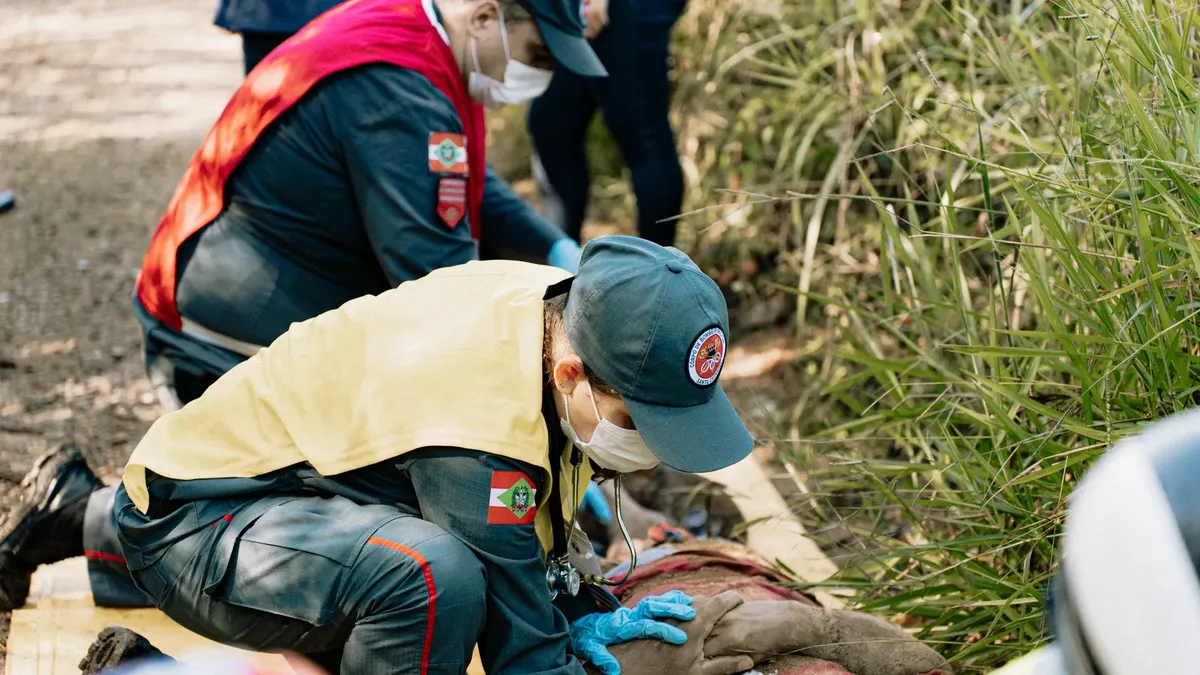
At the kitchen table, my fingers tremble as I organize bandages, knowing this kit is my only defense against a sudden pet emergency.
A person sits at a kitchen table, organizing a small kit with bandages and antiseptic wipes. Preparing for a sudden crisis requires having the right tools and information ready before the actual emergency occurs.
Developing a plan involves gathering essential supplies and identifying local emergency resources. You should ensure you have access to contact information for nearby specialty clinics, such as those involved in the formation of BluePearl Specialty and Emergency Pet Hospital in 2008.
Having these numbers saved in your phone allows for rapid response when every moment is vital.
A well-prepared owner maintains a kit containing gauze, bandages, and basic cleaning supplies. You might also keep a record of your pet's medical history and vaccination status to provide to doctors quickly.
Keeping these items in a central, easy-to-reach location ensures that you are not searching for supplies during a period of high stress.
What should I do right now to rescue my pet? Under the dim light of the living room, I pull the shivering animal onto a soft towel to begin the immediate rescue steps during this pet emergency.
A hand reaches for a phone while another hand gently stabilizes a breathing animal on a soft towel. When an accident happens, the first priority is ensuring the safety of both the pet and the human handler.
Immediate pet rescue steps begin with assessing the environment to prevent further injury to yourself or the animal. Once the area is secure, check the pet for breathing and a pulse.

If the animal is unconscious, move them carefully to a flat, stable surface to allow for better observation of their vitational signs.
If you encounter a pet in distress, focus on these three primary actions: 1. Secure the animal to prevent biting or accidental movement. 2. Check for obvious signs of injury or breathing difficulties. 3. Contact an emergency veterinarian immediately to report the situation.
After these steps, perform a final check to ensure the animal is in a position where they can be easily moved to a vehicle. I found that keeping a sturdy carrier near the door made this transition much smoother during my own practice sessions.
- Assess the environment to ensure it is safe for both you and your pet.
- Check your pet for visible injuries or signs of distress.
- Secure your pet in a carrier or on a leash to prevent them from running away due to fear.
How to handle pet crisis situations with composure?
A person takes a deep breath, looking at a calm pet while waiting for a professional to answer the call. Managing a crisis requires a balance of physical action and emotional control to prevent escalating the situation.
Learning how to handle pet crisis situations involves managing your own adrenaline so you can provide clear instructions to medical professionals. If you are too panicked, you may overlook critical details or inadvertently cause more harm.
Take a moment to breathe so you can observe the pet's symptoms accurately.
Effective management requires constant monitoring of the pet's condition. Watch for changes in breathing patterns, gum color, or responsiveness.

If the animal's condition changes rapidly, you must be prepared to adjust your approach, such as moving from basic monitoring to life-support measures if necessary.
Maintain a calm demeanor and speak in a soothing tone to prevent escalating your pet's anxiety. Focus on one task at a time to avoid feeling overwhelmed by the situation.
How do I handle my pet's common injuries? A bandage is wrapped carefully around a paw, ensuring it is snug but not too tight. Basic first aid knowledge can stabilize a pet during the transit to a veterinary hospital.
Effective pet first aid tips often involve controlling bleeding and protecting wounds from contamination. For minor cuts, applying gentle pressure with clean gauze can help stop bleeding.
For larger wounds, avoid applying heavy pressure that might cause more pain, and focus on keeping the area as clean as possible.
| Injury Type | Primary Action |
|---|---|
| Minor Bleeding | Apply gentle pressure with gauze |
| Open Wound | Protect from dirt and debris |
I always remember to check the tightness of a bandage to ensure it does not restrict circulation. If a bandage is too tight, it can cause secondary issues that require even more intensive medical care.
Apply gentle pressure to stop bleeding and use clean cloths to cover open wounds. Avoid applying human medications to pet injuries unless specifically directed by a veterinarian.
What are the limitations of home-based emergency care?
A veterinarian examines a pet in a brightly lit clinic while the owner waits nearby. While basic steps are helpful, they are not a substitute for professional medical treatment.
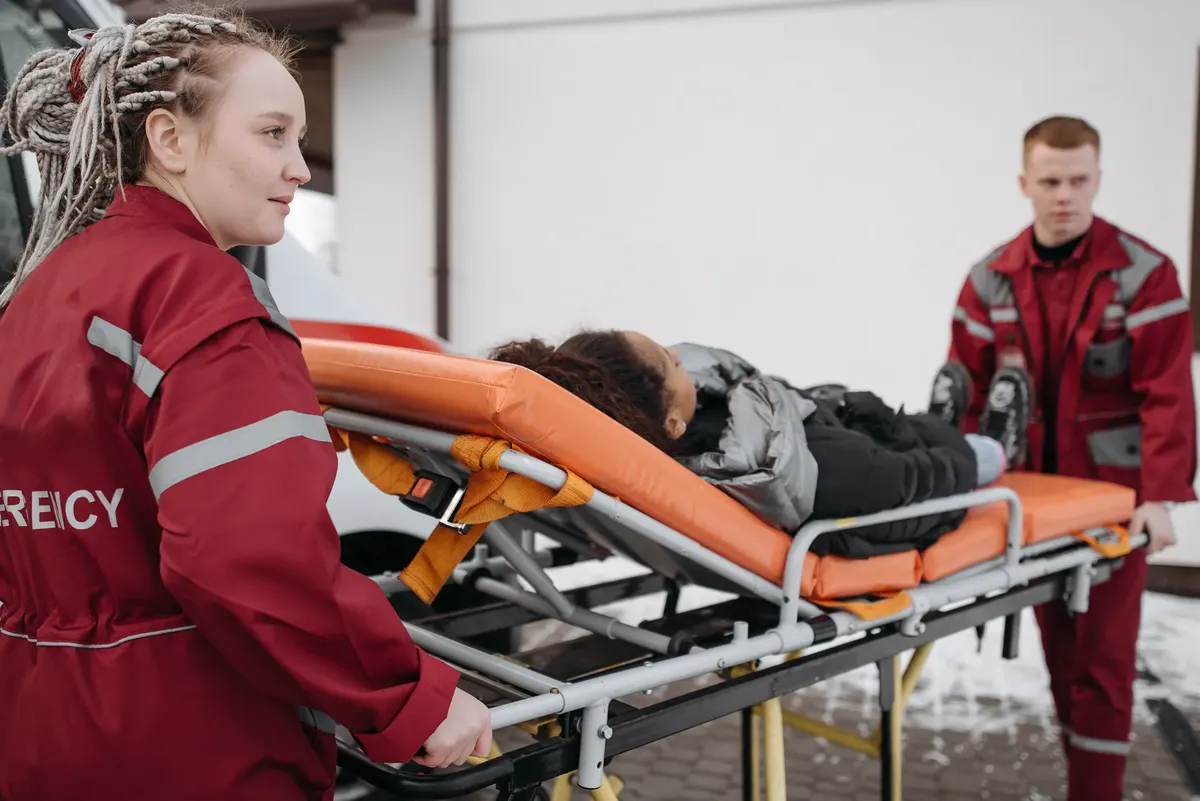
A limitation of these steps is that they are strictly temporary measures intended only to bridge the gap until professional help is reached. For example, a minor wound management technique will not resolve internal injuries or complex medical crises.
You must always seek professional care for any significant trauma or sudden illness.
If a pet has experienced a severe accident, home-based stabilization is secondary to professional intervention. Relying solely on these tips for serious conditions can delay life-saving treatment. Always prioritize getting the animal to a specialist as quickly as possible.
Home care is only intended for stabilizing a pet during transit or managing minor scrapes. It cannot replace professional diagnostic tools, surgical intervention, or advanced life-support measures.
Related
- Cat heart emergency care: Sudden change requires urgent help
- Cat kidney disease care: Guide to managing symptoms
When is the crisis most severe?
The crisis is most severe when the animal exhibits sudden loss of consciousness or labored breathing. In these critical moments, the owner must transition from basic monitoring to advanced stabilization techniques immediately.
If the pet is unresponsive, the immediate action shifts to ensuring proper airway management while maintaining spinal immobilization if possible. This transition requires swift, coordinated action from the owner.
Every second counts when the animal is unresponsive, demanding that the owner remains calm to execute the next life-saving procedure.
A crisis is most critical when a pet experiences difficulty breathing, unconsciousness, or uncontrolled bleeding. In these instances, immediate professional medical intervention is required.
Wikipedia: BluePearl Specialty and Emergency Pet Hospital (full) Based on the retained excerpt mentioning Veterinary Specialists and Cancer Treatment Center: In 2008, it merged with NYC Veterinary Specialists and Cancer Treatment Center in New York City and Veterinary Specialty and Emergency Center in Kansas City, creating BluePearl Specialty and Emergency Pet Hospital.





Comments 0