5-35°C Range: Essential Reptile Temperature Management Tips
Maintaining the right temperature is critical for reptile health—here’s how to set up a basking spot and temperature gradient.
Proper thermal management is not just about comfort; it is the foundation of a reptile's metabolic and immune functions. Because reptiles are ectothermic, they rely entirely on their environment to regulate their internal body processes.
Key Takeaways * Optimal reptile body temperatures generally fluctuate within a range of 5–35°C, with respiration rates increasing as temperatures rise. * Basking spots should be maintained between 10–25°C to support essential metabolic health.
* Establishing a temperature gradient—typically a 20–25°C cool side and a 25–30°C warm side—is vital for natural thermoregulation. * Inadequate temperature control is linked to higher disease incidence and significant physiological stress.
What's the perfect temperature for my reptile? I remember watching my first bearded dragon sit perfectly still under a lamp in my small apartment back in 2022. Its skin was absorbing every bit of warmth, and while it looked peaceful, I didn't realize then that its entire digestive system was waiting for that specific heat to "turn on."
Reptiles thrive within a broad range of 5–35°C, though their physiological responses change drastically within these limits. For instance, respiration rates have been observed to increase as temperatures move through the 5 to 35°C range.
This means a warmer environment speeds up their breathing and, by extension, their metabolism.
To maintain metabolic health, basking spots need to reach levels of 10–25°C. Furthermore, the "cool side" of an enclosure should not be freezing; it should stay around 20–25°C to allow the animal to regulate its temperature effectively.
If the environment is too uniform, the animal loses its ability to manage its own internal state, which can lead to problems. Studies have shown that different housing systems can significantly alter the behavior spectrum of these animals.
But simply knowing the numbers isn't enough; you have to know how to actually build the zone.
How to set up a basking spot for reptiles?
The sun is hitting the glass of the terrarium at 2:00 PM, and I can see the heat waves shimmering slightly above the ceramic heat emitter. I check my digital thermometer, making sure the reading matches what I've set for my reptile's specific needs.
A successful basking spot is not just a hot rock; it is a precision-controlled zone. This spot should be maintained between 10–25°C, providing a gradual 2–3°C gradient from the cooler side of the enclosure.
You can achieve this by using specialized heat lamps, ceramic heat emitters, or under-tank heaters to create a distinct warm zone of approximately 20–25°C.
It is vital to monitor these zones closely to avoid overheating. If temperatures climb above 30°C in areas not intended for intense basking, it can cause acute stress and rapid dehydration. Always use a thermostat to prevent the heating element from running unchecked.
However, a single hot spot is only half of the equation.
How do temperature gradients affect my reptile's health? I watched my leopard gecko move from the warm sand near the lamp to the moist, cool moss on the other side of the tank. It moved with purpose, choosing exactly where it felt best at that moment.
According to PloS one, respiration rates for ectothermic animals increase as temperatures rise within the range of 5 to 35°C.
A temperature gradient—a range of roughly 20–30°C across the enclosure—mimics the natural environments reptiles inhabit, which helps reduce physiological stress. Without this variation, a reptile is stuck in one metabolic state, which is unnatural.
The importance of these zones is tied to energy efficiency. Reptiles typically spend about 20–30% of their time basking, a behavior that is crucial for optimizing vitamin D3 synthesis and minimizing the energy expenditure associated with thermoregulation.
If a gradient is poorly managed, the risk of disease incidence can increase by as much as 50%.
The danger of a bad gradient is often invisible until it is too late.
How does temperature affect reptile behavior and health?
The enclosure is quiet, but the movements of the reptile inside tell a story of its health. A sluggish animal that refuses to eat is often a sign that the thermal environment has failed. According to Bioanalysis, M-4 concentrations in DBS and WB were lower than in plasma in 2020.
According to Ecology and evolution, the timing of basking likely optimizes vitamin D3 synthesis for metabolic health in 2025. Research from Bioanalysis in 2020 indicates that M-4 concentrations were lower in DBS and WB than in plasma.
Temperature is the primary driver of activity. Higher temperatures in the 25–30°C range generally increase activity levels, though staying at the extreme high end of a species' range may actually reduce their total lifespan.
Conversely, if temperatures drop toward 20°C, you may notice a significant decrease in appetite and a weakening of the immune system.
The impact of poor thermal management is widespread. It is estimated that 30% of reptiles show visible signs of stress when kept in enclosures that lack proper thermoregulation.
To avoid these issues, you need a structured approach to your enclosure design.
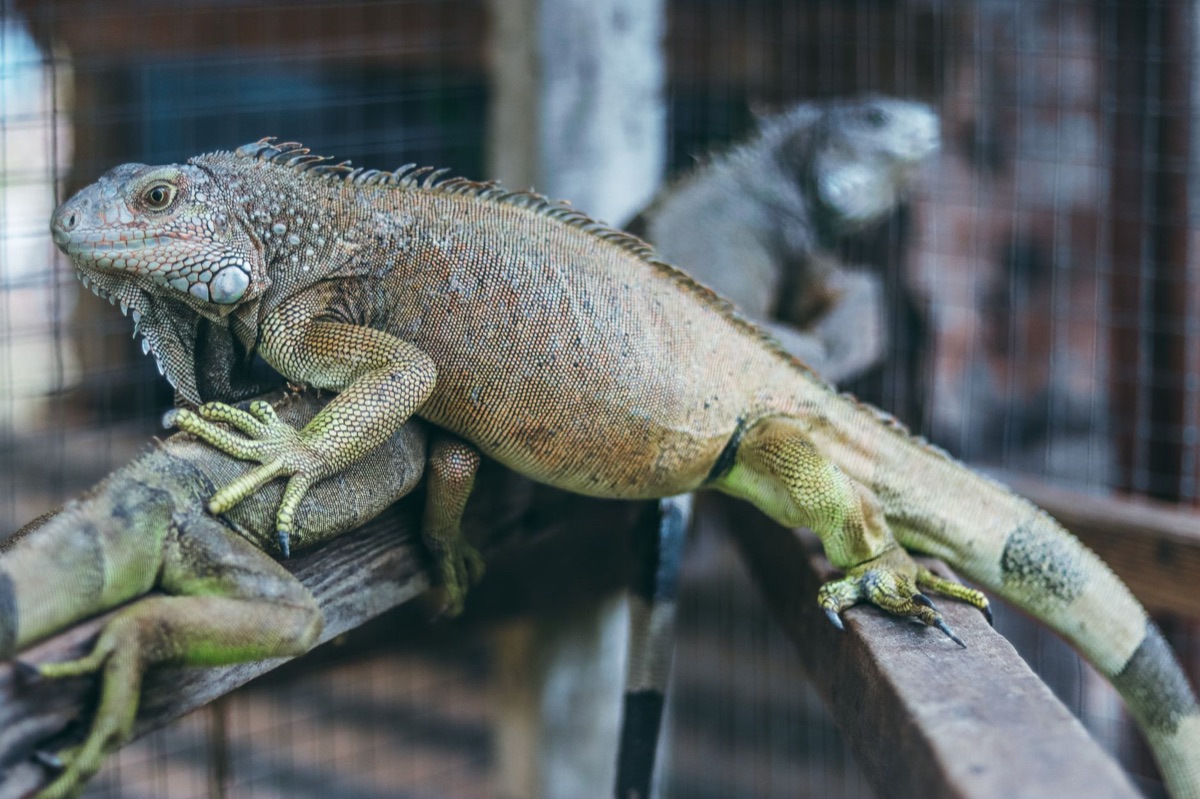
What are the key factors in reptile enclosure design?
I spent my Saturday afternoon rearranging the substrate and adjusting the lamp height, trying to create the perfect "map" of heat for my pet. It is a constant process of fine-tuning.
When designing an enclosure, you must prioritize the ability of the animal to move between zones. A standard setup should include a 20–25°C cool side and a 25–30°C warm side.
To create a smooth 5–10°C gradient, consider using two or three different heat sources placed at different distances from the center.
| Feature | Cool Side Goal | Warm Side (Basking) Goal |
|---|---|---|
| Temperature Range | 20–25°C | 25–30°C |
| Primary Function | Digestion/Rest | Metabolism/Vitamin D3 |
| Equipment Type | Ambient Room Heat | Heat Lamp/Emitter |
One critical warning: never rely solely on direct sunlight through a window to provide heat. Sunlight is inconsistent and can cause rapid, dangerous temperature spikes.
Instead, use high-quality UVB lamps to ensure the reptile can perform the vitamin D3 synthesis necessary for calcium absorption and metabolic health.
Note on Limitations: These guidelines provide a general framework for thermal management. Every reptile species has highly specific requirements based on their native habitat (e.g., desert vs. tropical).
Always consult a specialized reptile veterinarian or species-specific husbandry guides for exact temperature setpoints.
Step-by-Step Thermal Setup
Follow this checklist to ensure your enclosure is ready for your reptile:
- Research your species: Determine the specific high and low temperature requirements for your particular reptile.
- Map the enclosure: Decide where the "hot" and "cool" ends of the tank will be to allow for a clear gradient.
- Install hardware: Place a heat source (like a ceramic emitter) on the warm side and ensure the cool side is shielded from direct heat.
- Add UVB: Install a UVB lamp to facilitate vitamin D3 synthesis, ensuring it is not solely dependent on heat.
- Monitor with precision: Use at least two digital thermometers—one for the basking spot and one for the cool side—to verify your gradient.
- Use a thermostat: Connect your heating elements to a thermostat to prevent dangerous overheating.




Comments 0