Animal-Directed Funding Boosts Canine Health Outcomes
"The difference between a generic study and a targeted breakthrough often lies in who is signing the check."
Understanding the complex landscape of veterinary science and legislative advocacy is essential for any responsible pet owner.
By examining how specialized funding and professional organizations shape the future of our companions, we can better navigate the complexities of breed health and animal welfare.
Key Takeaways * Specialized animal-directed funding leads to higher measurable benefits for dog health and impact pathways. * The intersection of veterinary science and policy ensures that breed-specific health issues are addressed through evidence-based research.
* Therapy dog interactions are scientifically linked to improved human Quality of Life (QOL) and reduced anxiety. * The role of organizations like the AVMA and research councils is to bridge the gap between clinical findings and legislative/welfare standards.

How do research-driven funding models impact canine welfare?
A researcher sits in a quiet university lab in late 2025, staring at a sequence of genetic data on a glowing monitor. The data could potentially eliminate a hereditary heart defect in a popular breed.
The decision to pursue this specific path often hinges on whether the funding is broad or specialized.
The distinction between "wide-scope funders" and "animal-directed funders" is more than just a matter of accounting. Wide-scope funders often distribute resources across vast, diverse fields, which can dilute the focus on specific veterinary needs.
In contrast, animal-directed funders prioritize the unique biological and behavioral requirements of canines. The impact of these funding models is measurable.
According to a study published in *PloS one* in 2024, studies supported by animal-directed funders achieved significantly higher "benefit to the dog" scores and "pathway to impact" scores than those supported by wide-scope funders.
This means that when the money is earmarked for animal welfare, the results are more directly applicable to the animals themselves. Targeted research creates a much clearer "pathway to impact."
Instead of general wellness studies, specialized funding allows for deep dives into breed-specific health risks. This precision ensures that the research doesn't just stay in a journal but actually translates into better clinical outcomes for dogs in the real world.
This level of focus is why specialized funding is the backbone of modern veterinary progress. But how does this research turn into actual laws and rules?
What is the role of the AVMA and professional bodies in shaping policy?
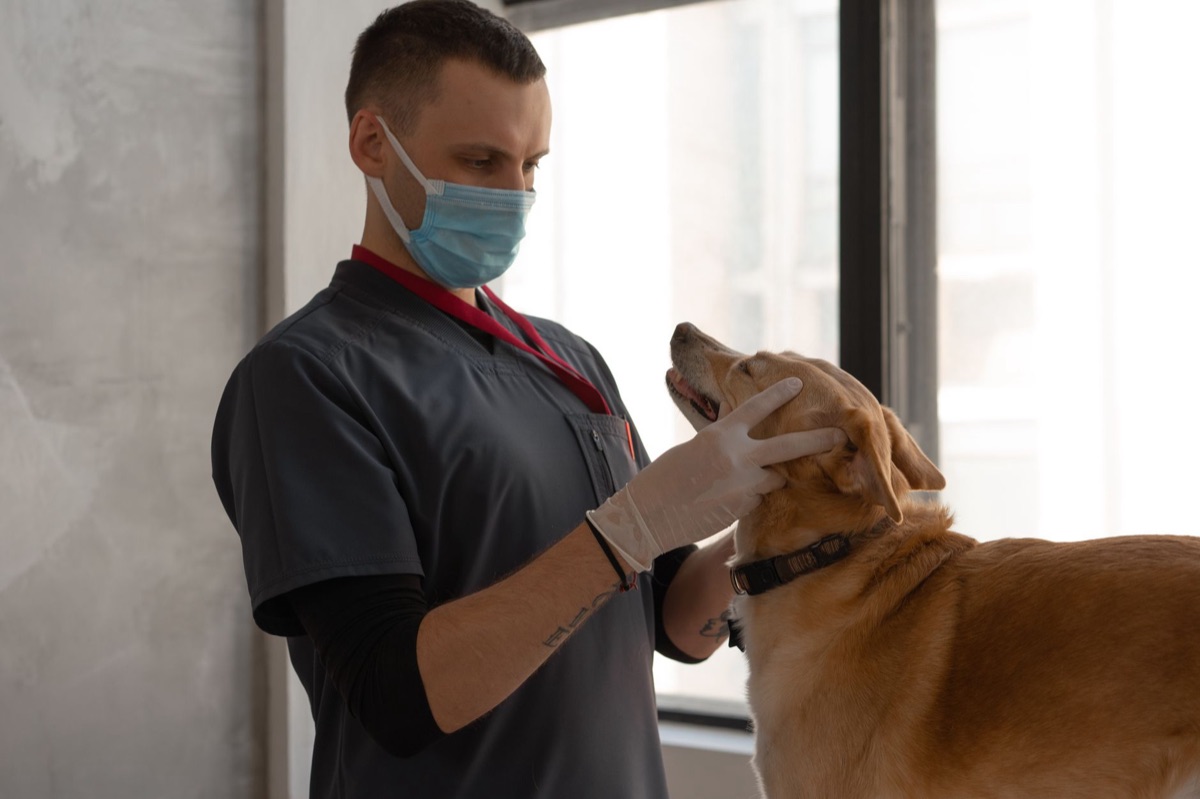
In a bustling veterinary clinic in early 2026, a veterinarian discusses a new legislative proposal regarding animal welfare with a colleague. They lean over a stainless steel exam table to review a printed document. This conversation is the front line of policy-making.
The transition from clinical practice to national policy-making is a vital function of professional bodies. Organizations like the American Veterinary Medical Association (AVMA) take the observations made in thousands of individual clinics and turn them into standardized health protocols.
This ensures that whether a dog is in New York or California, the baseline for veterinary care remains high. Professional oversight is critical in preventing unethical breeding practices.
By setting standards for what constitutes "healthy" breeding and identifying the risks of certain phenotypic traits, these organizations advocate for the animal's well-being over mere aesthetic trends.
This advocacy helps prevent the propagation of hereditary diseases that plague many purebred populations.
Furthermore, these policy changes influence the availability of advanced treatments.
When professional bodies push for standardized surgical recovery standards or better access to specialized medications, they are essentially building the infrastructure for the next generation of veterinary medicine.
This oversight ensures that the science moves forward in a way that protects the patient. However, the impact of this science isn't just felt by the animals—it reaches humans too.
How does the science of human-canine interaction impact society?
An elderly man sits in a community center in 2026, his hand resting on the head of a golden retriever. As the dog leans in, the man's breathing slows, and the tension in his shoulders begins to melt away.
The clinical observation of therapy dog interventions has moved from anecdotal evidence to rigorous scientific study. The interaction between humans and dogs is not just "nice to have"; it is a measurable psychological intervention.
This relationship is increasingly being recognized in social policies regarding service animal certifications and mental health support. Statistical evidence supports these observations.
An analysis of covariance revealed that, certainly compared with participants in the control condition, participants who interacted with therapy dogs had significantly higher self-reports of quality of life and decreased anxiety scores, according to *The American journal of occupational therapy* in 2022.
This proves that the bond is a measurable tool for human health. The role of research in validating the "emotional support" aspect of the bond is crucial.
As these findings become more robust, they influence how governments and healthcare providers view the role of animals in clinical settings. This validation provides the legal and social framework for the growing presence of therapy dogs in hospitals, schools, and nursing homes.
But for owners, the most pressing concerns are often much more personal.

Why is breed-specific research critical for long-term health management?
A breeder looks at a litter of puppies on a Tuesday morning, knowing that the genetic history of these dogs carries both the promise of health and the risk of inherited ailments. They check the eyes and joints of each pup carefully.
Genetic research is the primary tool for preventing hereditary diseases. Because many breeds are predisposed to specific conditions—such as hip dysplasia in larger breeds or respiratory issues in brachycephalic breeds—research must be targeted.
General animal science cannot solve the problems inherent in a specific genetic pool. Research councils guide breeders and owners toward healthier phenotypic outcomes.
By identifying the markers for disease, these organizations can advise the community on which breeding paths lead to healthier generations. This scientific oversight is the primary defense against the worsening of breed-specific health risks.
Data-driven policies also play a role in managing the health of aging or high-risk breeds. As we understand more about the lifespan and geriatric needs of specific breeds, the veterinary community can develop better preventative care protocols.
This targeted approach ensures that the unique needs of a breed are not lost in the generalities of "canine health." So, how can an individual owner use this information?
How can owners navigate the intersection of research and daily care?
A pet owner reads a new study on grain-free diets while sitting at the kitchen table in 2026, wondering how much of the information applies to their own dog. They tap a pen against the table, looking at their dog sleeping on the rug.
Translating complex research into daily life is the ultimate goal of all veterinary science. While the papers deal with genetic markers, the owner needs to know how to adjust their dog's diet, exercise, or screening schedule.
Understanding the difference between "general knowledge" and "specialized research" helps owners filter out the noise. It is essential to consult veterinarians when new health policies or breed-specific warnings emerge.
Because the science is constantly evolving, a recommendation made two years ago might be updated today. Professional guidance acts as the bridge between the laboratory and the living room.
Using professional guidelines allows for informed decision-making regarding preventative care and vaccinations. Instead of following internet trends, owners can rely on the protocols established by the very organizations that drive the research.
This relationship between scientific advancement and ownership responsibility ensures that the progress made in the lab translates to a longer, healthier life for the dog at home.
| Feature | Wide-Scope Funding | Animal-Directed Funding |
|---|---|---|
| Primary Focus | Broad, diverse scientific fields | Specific animal welfare and health |
| Benefit to Dog | Variable/Indirect | Significantly higher measurable benefit |
| Impact Pathway | Often generalized | Clear, direct path to clinical impact |
| Example | General biological research | Breed-specific genetic study |
Summary of Key Differences in Funding 1. Directness: Animal-directed funding focuses on the immediate needs of the animal. 2. Precision: Targeted funding allows for the study of specific phenotypic traits. 3. Application: Results from specialized studies are more easily integrated into clinical practice.
FAQ
How does specialized funding change dog health? It optimizes the direct benefit to the dog and creates a clearer, more measurable path to practical impact in clinical settings.
Can interacting with dogs actually improve human health? Yes, scientific studies show that interacting with therapy dogs can significantly increase human quality of life and decrease anxiety scores.
Why do we need organizations like the AVMA? They provide the scientific authority and standardized protocols needed to create effective animal welfare and health policies across the country.
Is research-based policy different from general advocacy? Yes. While advocacy can be emotional, research-based policy uses empirical data to drive decisions.
What are the limits of this research? While targeted research is powerful, it can sometimes focus so heavily on specific breeds that it overlooks general wellness needs shared by all canines.
When should I consult a vet instead of reading research? If your pet is showing immediate symptoms or if you are making significant changes to their medical regimen, always consult a professional first.
Disclaimer: This article is general information, not medical advice. Consult a qualified healthcare professional before taking any supplement or medication.








Comments 0