What are the unique physical traits of the population?
"Forget about pursuing happiness, and you may find it."
The Florida panther faces complex survival challenges within its remaining habitat. This article examines the physical characteristics and environmental pressures affecting this unique population, including range limitations and size variations.
Key takeaways include the specific weight ranges of adults, the current occupancy of their historic range, and the biological differences between males and females.
How large is a Florida panther?
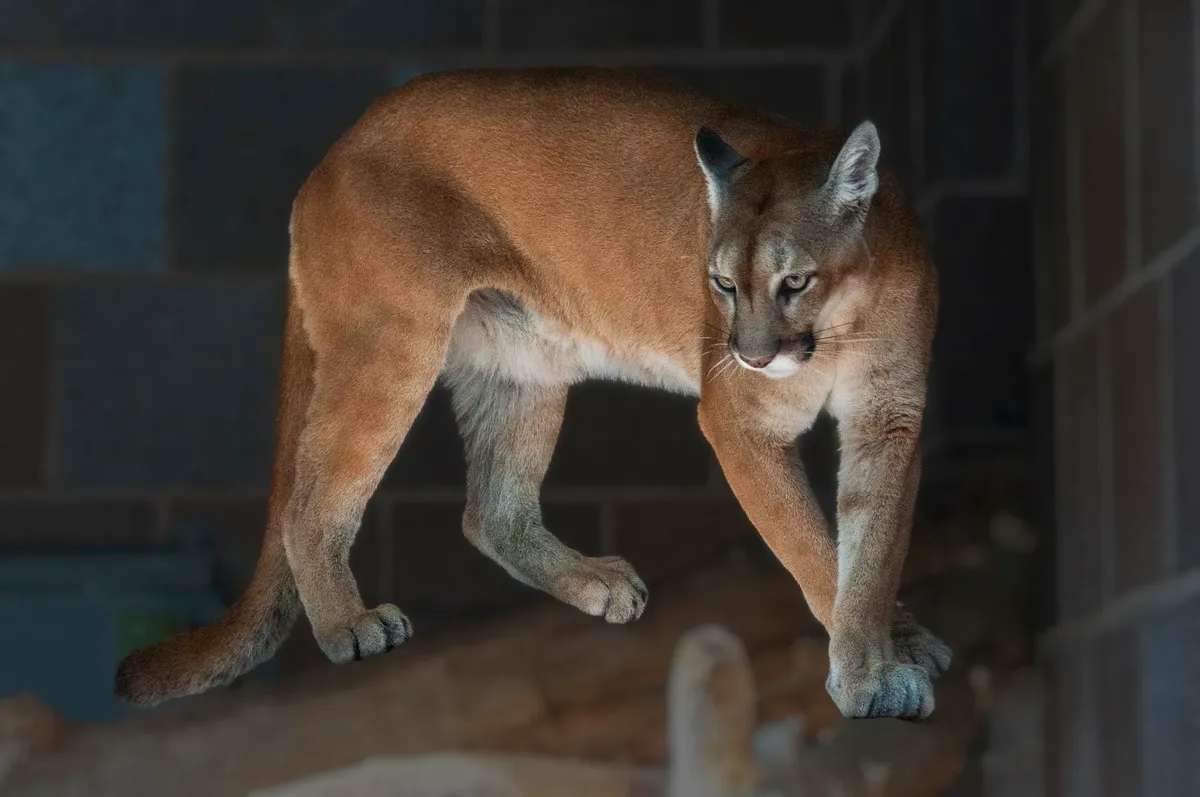
A researcher stands in the humid brush, measuring the distance between two thick branches to estimate the space needed for a large predator. The Florida panther is a substantial animal with a total length ranging from 1.8 to 2.2 m (5.9 to 7.2 ft) and a shoulder height of 60–70 cm (24–28 in).
These dimensions reflect the physical presence of a top predator in its environment.
The physical build of the species varies significantly between the sexes. Adult female Florida panthers weigh 29–45.5 kg (64–100 lb), whereas the larger males weigh 45.5–75 kg (100–165 lb). This weight difference is a primary factor in their biological profile.
The size distribution between sexes is quite pronounced. Male panthers, on average, are 9.4% longer and 33.2% heavier than females because males grow at a faster rate than females and for a longer time. This sexual dimorphism is a standard feature of the species' development.
Where does the Florida panther live? Florida panther leukemia virus
A biologist looks over a map of the Eastern United States, noting the fragmented patches of forest. It is the only confirmed cougar population in the Eastern United States, and currently occupies 5% of its historic range.
This limited occupancy presents significant challenges for the survival of the species.
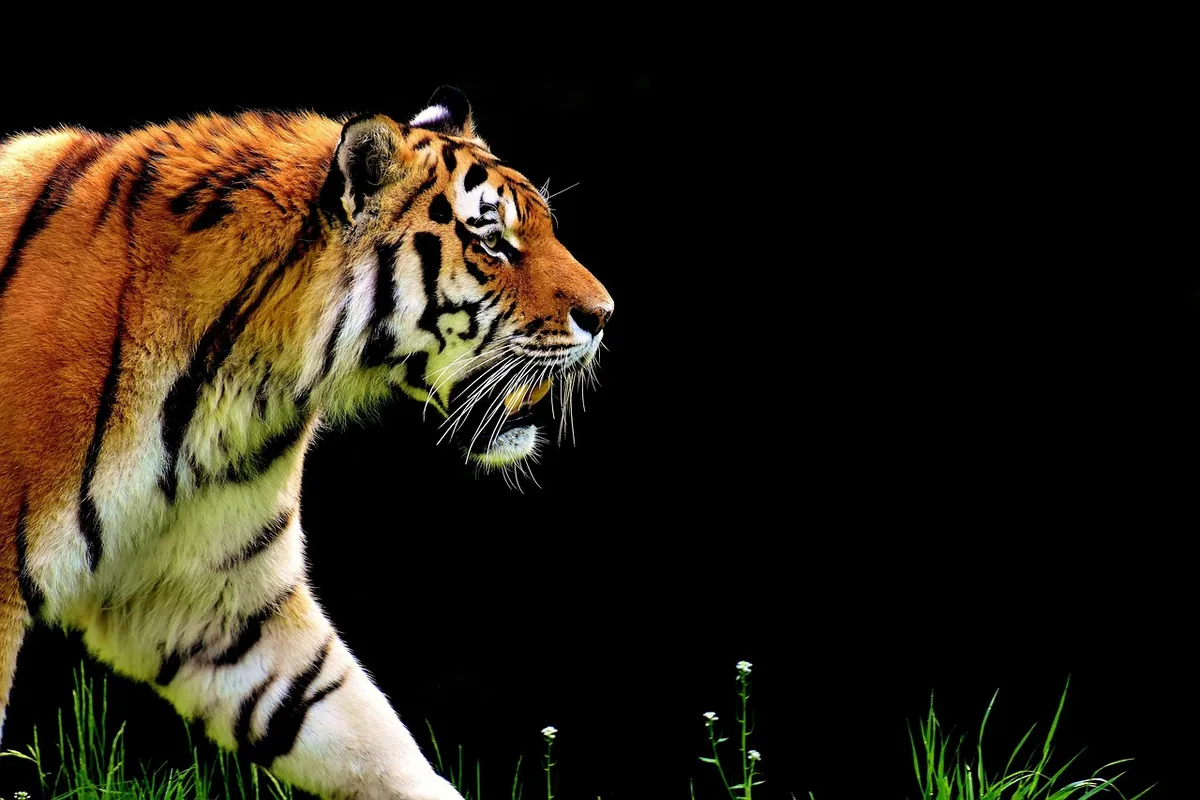
The shrinking habitat is a constant concern for conservationists. Because they occupy such a small portion of their original territory, maintaining genetic diversity and stable populations becomes increasingly difficult. The current range is a mere fraction of what they once inhabited.
What are the unique physical traits of the population?
A field technician examines a photograph of a panther's tail, noting the specific shape of the fur. The frequency of cowlick in a Florida panther population was 94% compared to other pumas at 9%, while the frequency of a kinked tail was 88% as opposed to 27% for other puma subspecies.
These traits are distinct to this specific group.
These physical markings serve as identifiers for researchers tracking the population. While these traits are common within this group, they stand in sharp contrast to other subspecies. Such unique characteristics help define the specific lineage of the Florida panther.
How do they care for their young?
A mother panther moves quietly through the undergrowth, returning to a hidden den with a fresh catch. In the first 2–3 weeks, the mother spends most of her time nursing the kittens; after this period, she spends more time away from the den, to wean the kittens and to hunt prey to bring to the den.
This cycle is essential for kitten survival.
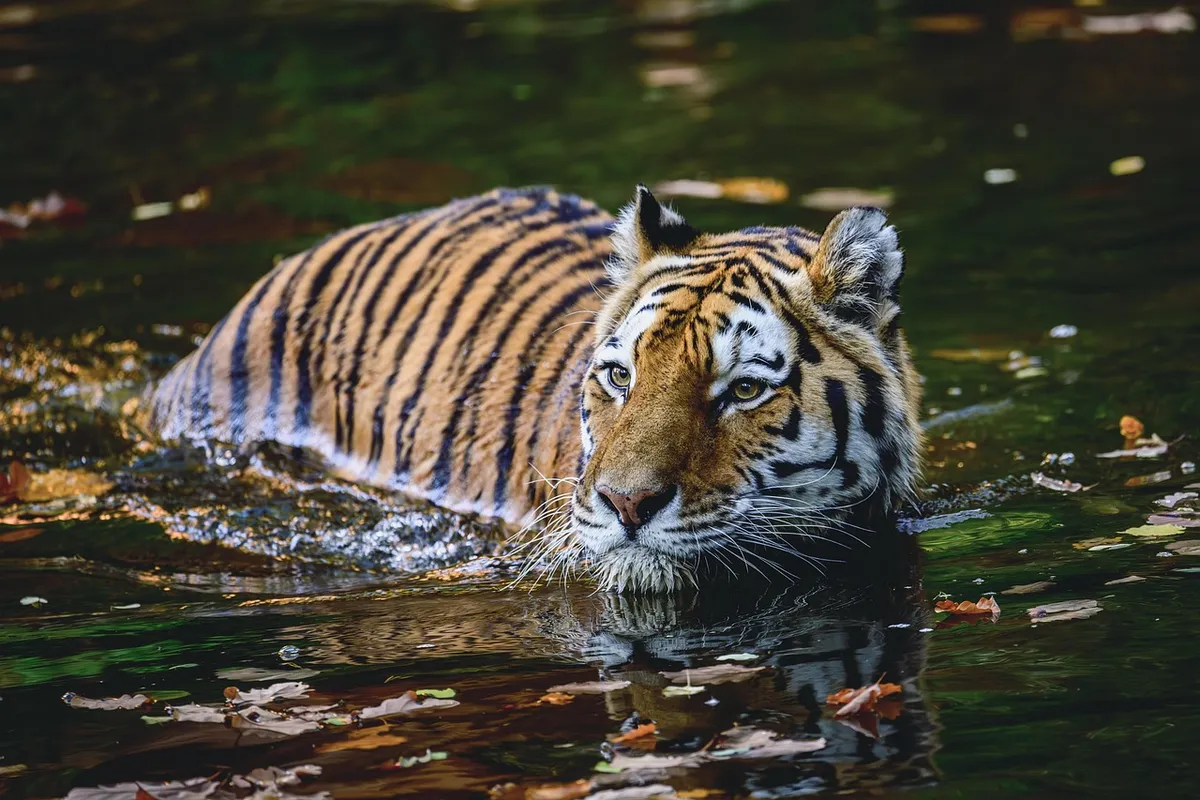
The transition from nursing to hunting is a critical phase in the life of a panther. As the kittens grow, the mother must balance the need to provide food with the need to protect the den. This period shapes the early development and survival skills of the young cats.
What threats do they face in the wild?
An ecologist observes the declining numbers of native mammals in the Florida wetlands. After the introduction of the pythons, resulting from the exotic pet trade in Florida, large mammals have decreased by an average of 90% since 1990 levels. This shift has fundamentally altered the food web.
The loss of prey and the presence of invasive species create a precarious environment. Such biological shifts impact the ability of the panthers to find sufficient food. The changing landscape requires constant monitoring to understand the long-term impact on the population.
How is the population managed?
A state official reviews the latest census data to plan future conservation efforts. The Florida Panther Program is run by the Florida Fish and Wildlife Conservation Commission (FWC). This management ensures that the species receives targeted oversight.
Effective management requires coordination between various biological and environmental agencies. By tracking movements and health, the program attempts to mitigate the risks associated with their limited range. These efforts are vital for preventing further decline.
- How large is a Florida panther?
- Where does the Florida panther live?
- What are the unique physical traits of the population?
The subject here is Florida panther leukemia virus.
The same subject is also called Feline leukemia panther.
The same subject is also called Endangered panther virus.
The same subject is also called CDC panther virus study.
The same subject is also called NIH feline leukemia.
This part also covers Panther virus transmission.
This part also covers Disease in rare cats.
This part also covers Wildlife virus research.
Panther virus transmission
Related
- Pet disease: Environment and pet disease guide for owners
- Black-footed ferret recovery: Guide to survival
How does the panther maintain its health?
To maintain health, the panther must navigate the pressures of its limited territory. The biological differences between males and females, such as the pronounced weight disparity, contribute to the overall health profile of the population. The mother's role in provisioning kittens during the early weeks is crucial for their successful development.
This lifestyle requires constant vigilance against environmental shifts. The introduction of predators, like pythons, has caused a significant decrease in native mammal populations, affecting the panther's ability to secure adequate sustenance. Therefore, the panther's health is intrinsically linked to the health of its ecosystem.
If one is Forget about pursuing happiness, the panther must instead focus on the immediate realities of survival within its restricted range. This focus on immediate needs outweighs the pursuit of broader ideals in the wild.






Comments 0