Essential nutrients for cat heart disease: 60 mm Guide
Managing a feline companion's health often involves navigating complex dietary needs, especially when cardiac issues intersect with other systemic failures.
To support a cat's recovery from heart disease, owners must focus on specific nutritional balances that prevent secondary complications like fluid retention or electrolyte imbalances.
This guide covers essential nutrient considerations, how to manage dietary transitions, and the limitations of nutritional therapy in advanced cases.

Key takeaways: * Monitor electrolyte levels to prevent complications. * Understand the relationship between kidney function and systemic health. * Recognize that diet alone cannot replace medical intervention in advanced stages.
How do essential nutrients for cat heart disease support recovery?
A caregiver sits by the window, watching a senior cat navigate the living room with careful steps. Providing the right nutrients for cat heart disease involves balancing protein quality with mineral restriction to support both the heart and the kidneys.
When a cat faces cardiac issues, the body's ability to process minerals can change. Maintaining proper levels of sodium and potassium is often critical to managing blood pressure and fluid balance.
Because heart issues frequently overlap with renal issues, the diet must be carefully calibrated to avoid putting extra stress on the kidneys.
The relationship between organs is complex. For instance, over 60% of cats with kidney disease develop high blood pressure, which can exacerbate cardiac strain. Managing these levels helps maintain a more stable internal environment during recovery.
- Identify the specific nutrient deficiencies caused by the condition.
- Select high-quality protein sources to maintain muscle mass.
- Integrate targeted fatty acids to support cardiovascular function.
Which supplements will protect my cat's heart and kidneys?

In the dim kitchen light, a hand trembles slightly while measuring kibble, wondering which supplements will protect my cat's heart and kidneys through balanced nutrients. A hand carefully measures out a specialized kibble, ensuring every portion meets the prescribed requirements. Finding the best supplements for cat heart health often means looking at how nutrients affect systemic stability.
Nutritional support must address the risk of metabolic changes. In cats with chronic kidney disease, metabolic acidosis occurs in 80% of cases. Such metabolic shifts can impact overall energy levels and heart function.
Additionally, chronic kidney disease leads to hyperparathyroidism in 84% of cases.
Managing these secondary conditions through diet is vital. A balanced approach helps mitigate the effects of these common complications.
In this sequence, the second step is the most comprehensive.
How to manage cat heart disease diet tips with renal considerations?
An owner gently guides a cat toward a feeding bowl, mindful of the specific texture and ingredient list. Implementing cat heart disease diet tips often requires a delicate balance between heart-healthy fats and kidney-safe mineral levels.
Because the heart and kidneys work in tandem to manage fluid, a diet that supports one must not harm the other.
If kidney damage is present, the autoregulation of renal blood flow—which normally ensures filtering capacity up to a threshold of 60 mm Hg is independent of general blood pressure—is also impaired.

This means that dietary choices directly affect blood pressure regulation. This is particularly important for older cats, as over 50% of affected cats are seven years old or older.
How do I feed my cat when they have multiple health issues? A veterinarian reviews a lab report while the owner asks about dietary adjustments. Developing a strategy for nutritional support for cats involves a three-step approach to ensure stability.
According to the Food and Drug Administration, the first treatment for patients with Pompe disease, alglucosidase alfa, rhGAA (Myozyme), was approved via a biologic license application on April 28, 2006.
According to the Canadian journal of physiology and pharmacology, in all cases H2 receptors are associated with adenylate cyclase and stimulation of such receptors results in an increase in cyclic AMP levels.
- Assess current organ function through regular blood work to determine the necessary mineral limits. 2. Introduce specialized diets slowly to prevent gastrointestinal distress or sudden electrolyte shifts. 3. Monitor weight and hydration levels daily to ensure the diet is meeting metabolic needs without causing fluid buildup.
I once observed a client struggle to transition their pet to a renal-specific diet, which is a common challenge. In some studies, 34% of cats could not be switched to the renal diet. This highlights the need for a personalized approach rather than a one-size-fits-all solution.
What are the limitations of cat cardiac recovery nutrition?
A quiet room holds the stillness of a resting pet, where the focus remains on subtle breathing patterns. Identifying the limitations of cat cardiac recovery nutrition is essential for setting realistic expectations with veterinary teams.
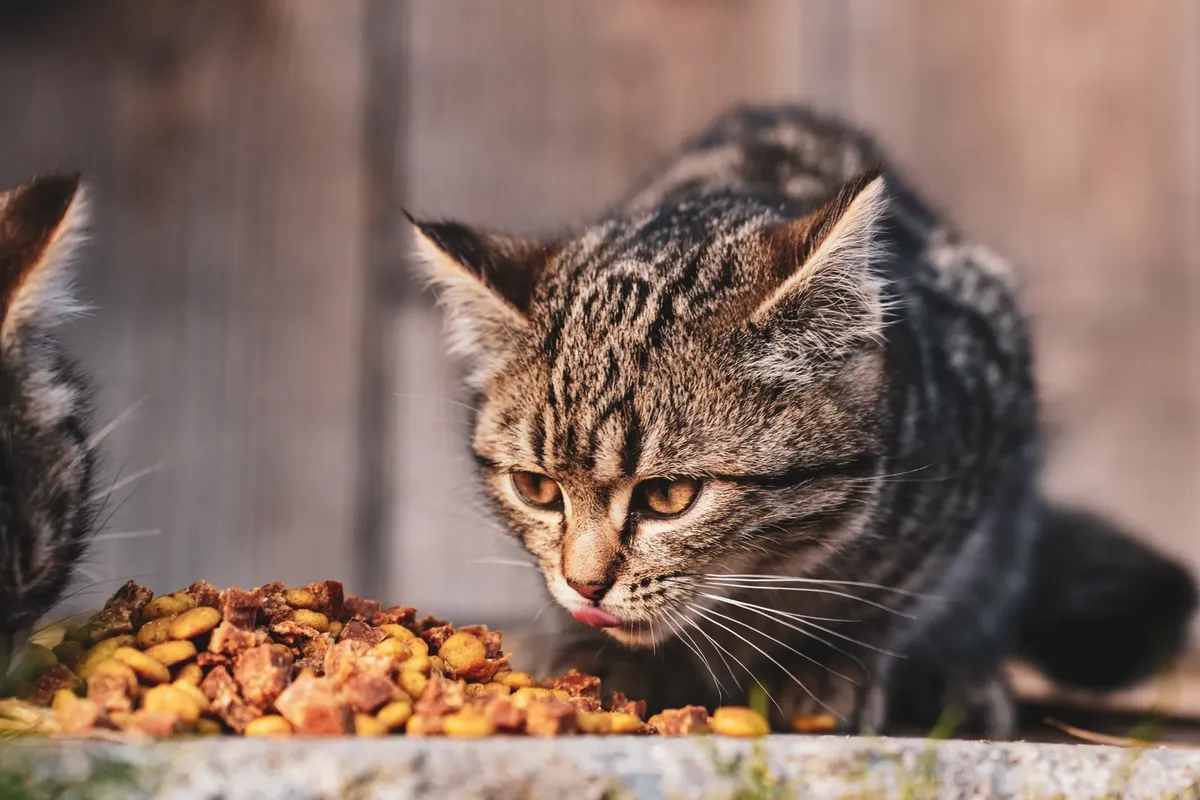
While diet is a pillar of care, it cannot reverse advanced organ damage. For example, it can already detect a 40% loss of kidney function, but diet alone cannot restore lost tissue. Furthermore, the disease can occur as early as 9 months of age, meaning nutritional needs vary wildly by life stage.
A limitation to these dietary strategies is that they cannot fully compensate for advanced stage failures where medical intervention is the primary driver of survival.
The subject here is Essential nutrients for cat heart disease.
The same subject is also called Nutrients for cat heart health.
This part also covers Top 5 nutrients for cat heart.
Related






Comments 0