Cat heart disease early signs: How to guide your cat
Identifying cat heart disease early signs requires keen observation of subtle changes in breathing, energy, and appetite. This guide is for cat owners who notice their pet acting differently during daily routines. You should monitor for lethargy, weight changes, and unusual breathing patterns, but remember that these symptoms can also overlap with other metabolic issues.
* Watch for increased resting respiratory rates. * Monitor sudden changes in activity levels or appetite. * Observe for physical signs like weakness or weight loss. * Note any unusual vocalization or restlessness.
How can I spot cat heart disease early signs?
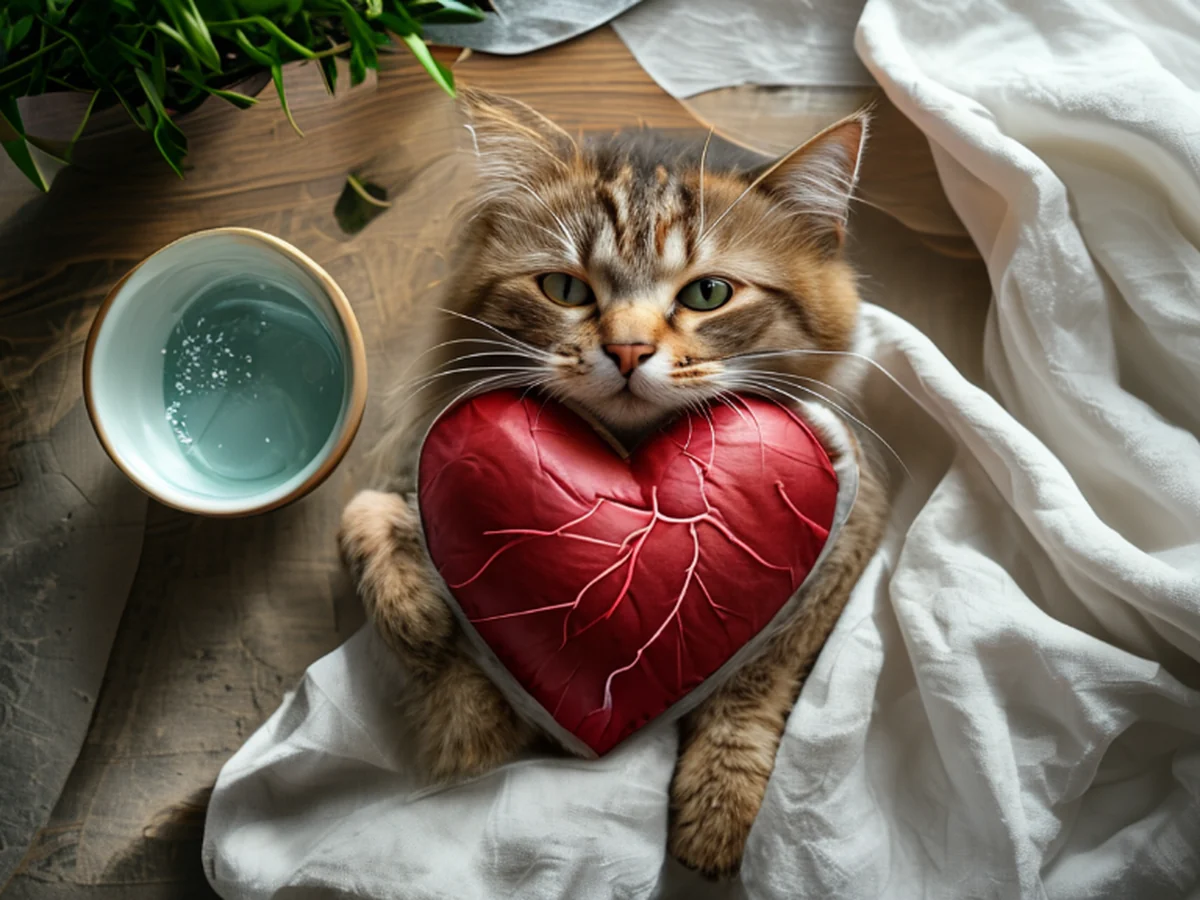
As evening settles in the living room, you watch your cat's chest heave with a heavy sensation, searching for the earliest cat heart disease early signs.
A quiet living room reveals a cat suddenly pausing mid-stride to catch its breath. You watch the rhythmic rise and fall of their chest, looking for any irregularity in their natural pace. Recognizing cat heart disease early signs often begins with noticing these minute shifts in their resting state.
Early detection involves tracking how often your cat breathes while sleeping deeply. A significant increase in the number of breaths per minute can indicate underlying cardiac stress.
You might also see a cat becoming less interested in their favorite climbing spots or sudden bouts of weakness during play.
Feline heart issues warning signs frequently manifest as decreased stamina. If a previously active cat spends most of the day in a sheltered corner, it may be a signal to investigate further.
These behavioral shifts are often the first indicators that the heart is struggling to pump blood efficiently through the body.
However, these signs may be difficult to detect if your cat is naturally low-energy.
What are the warning signs of my cat's heart issues? Sitting on the kitchen floor at noon, you feel a sudden chill as you notice your cat's sluggish gait, a common feline heart issues warning signs.
You sit on the floor, watching your cat approach the food bowl with a hesitant, slow gait. The usual excitement for mealtime is replaced by a lack of urgency, which can be a subtle red flag. Understanding these feline heart issues warning signs helps prevent a sudden crisis.
Changes in appetite or sudden weight loss are common indicators of systemic distress. While these can stem from many ailments, they are frequently linked to cardiac decline in older cats. Monitoring the weight of your cat weekly can provide a clear data point for your veterinarian.
A cat heart problem check should always include an assessment of their grooming habits. A cat that stops grooming itself or appears unkempt may be feeling too fatigued to maintain its coat. This loss of self-care is a physical manifestation of declining energy levels.
However, these symptoms can sometimes be mistaken for general aging.
When should I check my cat for heart problems? The sun sets, casting long shadows across the hallway where your cat usually sprints. Instead, the cat remains curled in a tight ball, seemingly unable to engage with the environment. Performing a cat heart problem check during these quiet evening hours allows for a focused observation.

A thorough check involves three specific steps: 1. Count the breaths per minute while the cat is in a deep, undisturbed sleep. 2. Observe the color of the gums to ensure they remain a healthy pink. 3. Assess the cat's response to light physical stimulation or play.
I performed this check last Tuesday when my cat seemed unusually still during our evening routine. I carefully counted the respiratory rate and checked for any labored movement. Always consult a professional if the breathing rate seems consistently high during rest.
- Observe your cat's resting breathing rate.
- Monitor changes in activity levels.
- Check for any unusual vocalization.
What is cat heart disease?
You hold a medical pamphlet, reading about the complex ways a feline heart can fail. The text describes how the muscular walls might thicken or the chambers might stretch, making it difficult to circulate blood. Knowing what is cat heart disease is the first step in proactive management.
Cardiac issues in cats often involve hypertrophic cardiomyopathy, where the heart muscle becomes abnormally thick. This thickening restricts the heart's ability to fill with blood properly. Such conditions can lead to fluid buildup in the lungs or abdomen, causing significant discomfort.
The progression of these diseases can be gradual or sudden. Because cats are masters at hiding pain, the internal changes may go unnoticed until the heart can no longer compensate for the damage. This makes consistent observation of the cat's baseline behavior essential for long-term health.
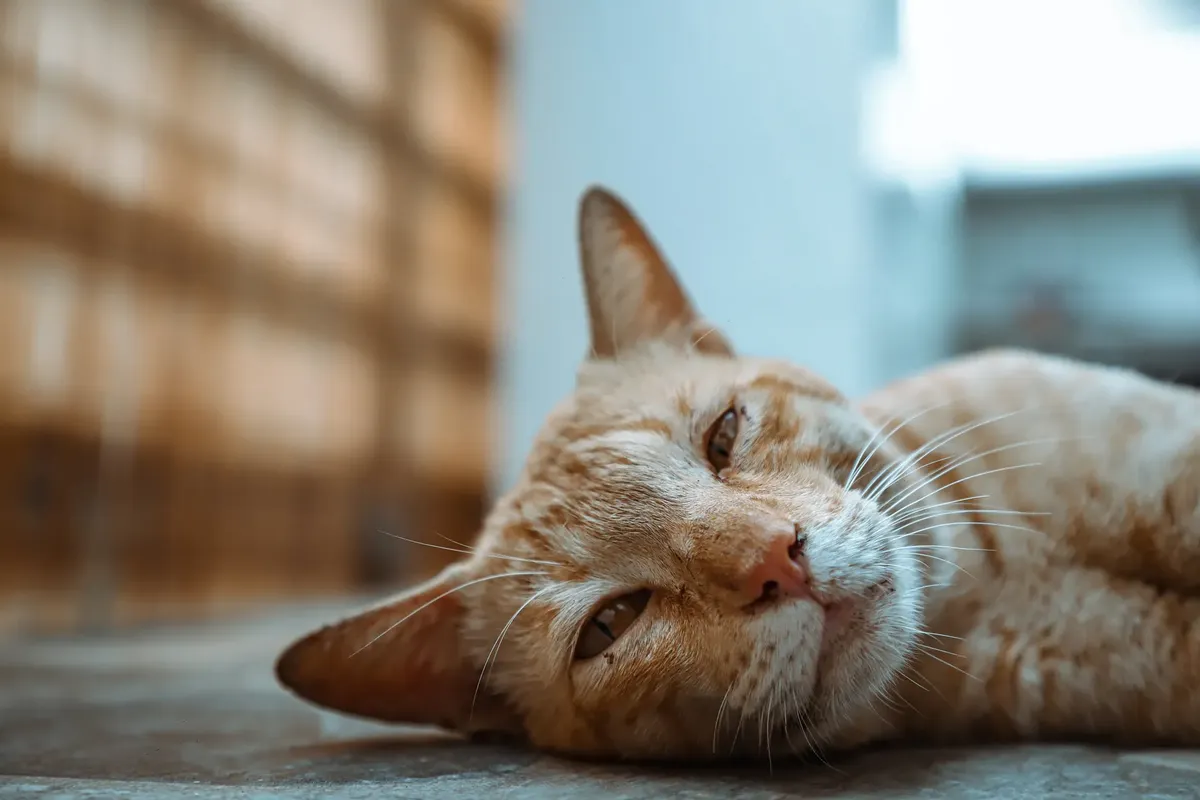
However, this definition does not cover congenital defects present from birth.
When to seek vet for cat heart when symptoms appear?
The house is silent at midnight, but the sound of a cat's heavy, labored breathing breaks the stillness. You feel a sense of urgency as you realize the breathing is no longer rhythmic and easy. Knowing when to seek vet for cat heart issues is a critical skill for any owner.
Immediate veterinary attention is required if you observe open-mouth breathing or gasping. This is an emergency that cannot wait until morning. If the cat appears to be struggling for air, the situation is critical and requires an emergency clinic.
If the symptoms are more subtle, such as a slight decrease in activity, you should schedule a non-emergency appointment. Early intervention during these stages can significantly impact the management of the condition. Do not wait for a crisis to occur if you notice a trend of declining health.
I find that the second step in this process is the most critical.
Urgent care for sick cat heart situations

You grab the carrier, feeling the weight of the situation as your cat remains unresponsive to your touch. The atmosphere in the room shifts from calm to high-alert as you prepare for transport. Managing urgent care for sick cat heart patients requires decisive action.
| Symptom Severity | Action Required |
|---|---|
| Labored, open-mouth breathing | Immediate emergency visit |
| Lethargy and loss of appetite | Scheduled vet consultation |
If your cat collapses or shows signs of extreme weakness, move quickly. Providing a calm environment during transport can help reduce the cat's stress, which is vital during a cardiac event.
It is important to note that these observations are intended for educational purposes and do not replace a professional diagnosis. The ability to identify these signs is limited by the cat's natural tendency to mask illness.
However, home care is not a substitute for immediate professional medical intervention.
The same subject is also called Early signs cat heart.
Related







Comments 0