Cat heart emergency care: Sudden change requires urgent help
A sudden change in breathing or a collapsed posture can signal a life-threatening moment for a pet. Cat heart emergency care requires immediate recognition of distress and rapid movement toward professional veterinary assistance to stabilize the animal.
This guide provides essential steps for identifying crises and managing the transition to a clinic. Key takeaways include recognizing respiratory distress, maintaining a calm environment, and knowing when to bypass observation for immediate intervention.
How to recognize symptoms of heart disease?

At dusk, the cat gasps for air by the window, its chest heaving with a heavy weight that suggests a failing heart.
A cat sits near a window, breathing heavily with an open mouth. This scene of labored respiration often signals an urgent need for help. Recognizing the subtle shifts in a pet's regular rhythm is the first step in life-saving care.
When a cat struggles to catch its breath, it often indicates pulmonary edema or other acute cardiac issues. Other signs include sudden lethargy, loss of appetite, or fainting spells. These symptoms of heart disease require a watchful eye to catch before they escalate into a total collapse.
The primary goal is to identify the onset of distress. If the cat is gasping or has blue-tinted gums, the situation is critical. Understanding these signs helps a pet owner decide whether to monitor or act immediately.
Is it time to rush my cat to the vet? Cat heart emergency care
At midnight, I grab the carrier as my chest tightens with fear while looking at my cat's failing heart. A frantic owner grabs a carrier as the cat meows weakly on the floor. The urgency of the moment demands a clear decision on whether to wait or leave immediately. Knowing when to seek urgent cat heart care prevents irreversible damage.

If a cat experiences sudden weakness or collapses, immediate veterinary intervention is necessary. Situations involving rapid breathing or coughing while resting are also red flags. In these moments, the priority shifts from routine care to crisis management.
A pet owner must evaluate the severity of the breathing rate. If the cat cannot settle or seems to be fighting for air, the time for observation has passed. This decision is vital for survival.
How can I keep my cat's heart stable during transport? The car door slams shut as the driver carefully places the cat in a secure carrier. The vibrations of the road and the tension in the air create a high-stress environment. Managing a sick cat heart help scenario requires careful physical handling to minimize further strain.
To assist during transport, keep the environment cool and quiet. Minimize any physical struggle by using a soft towel to support the cat's body. Avoid sudden movements that could spike the heart rate further.
I remember placing a breathing cat into a carrier with great care to avoid restricting its chest expansion. Moving the pet gently is essential to prevent worsening the respiratory state. Always ensure the carrier allows for adequate airflow while providing security.
Steps for managing a feline heart crisis
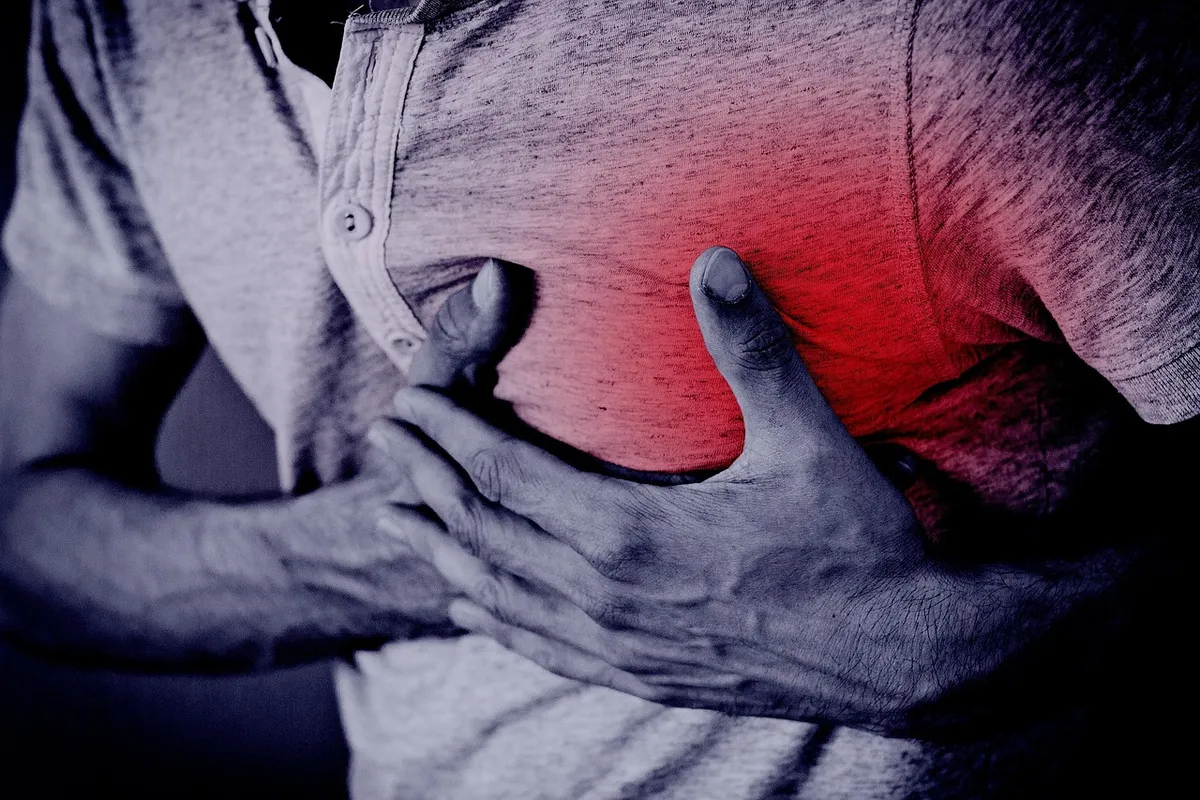
A veterinarian prepares the oxygen mask as the cat is brought into the clinic. The organized chaos of an emergency room requires a structured approach to care. Following a specific sequence can help manage a cat heart crisis guide effectively.
- Assess the breathing rate and gum color immediately upon noticing the distress. 2. Move the cat to a quiet, temperature-controlled area to reduce stress. 3. Secure the pet in a carrier that allows for easy access to the head and airway.
After these steps, perform a final check to ensure the pet is not being squeezed or restricted. The goal is to maintain stability until a professional can take over.
Managing a crisis with an existing condition
A cat with a known history of heart issues suddenly stops moving toward its food bowl. For pets with chronic issues, a sudden decline can be even more unpredictable. Applying these steps to a pet with an existing condition requires extra caution.
According to the FDA, Lumizyme was approved in May 2010 for the treatment of late-onset Pompe disease.
According to the Best Friends Animal Society, the organization spent $11 million on a "Focus on Felines" initiative that included TNR advocacy.
If the cat has a pre-existing heart condition, any sudden change in behavior or breathing must be treated as an emergency. Do not attempt to administer medications unless specifically instructed by a veterinarian for that exact moment.
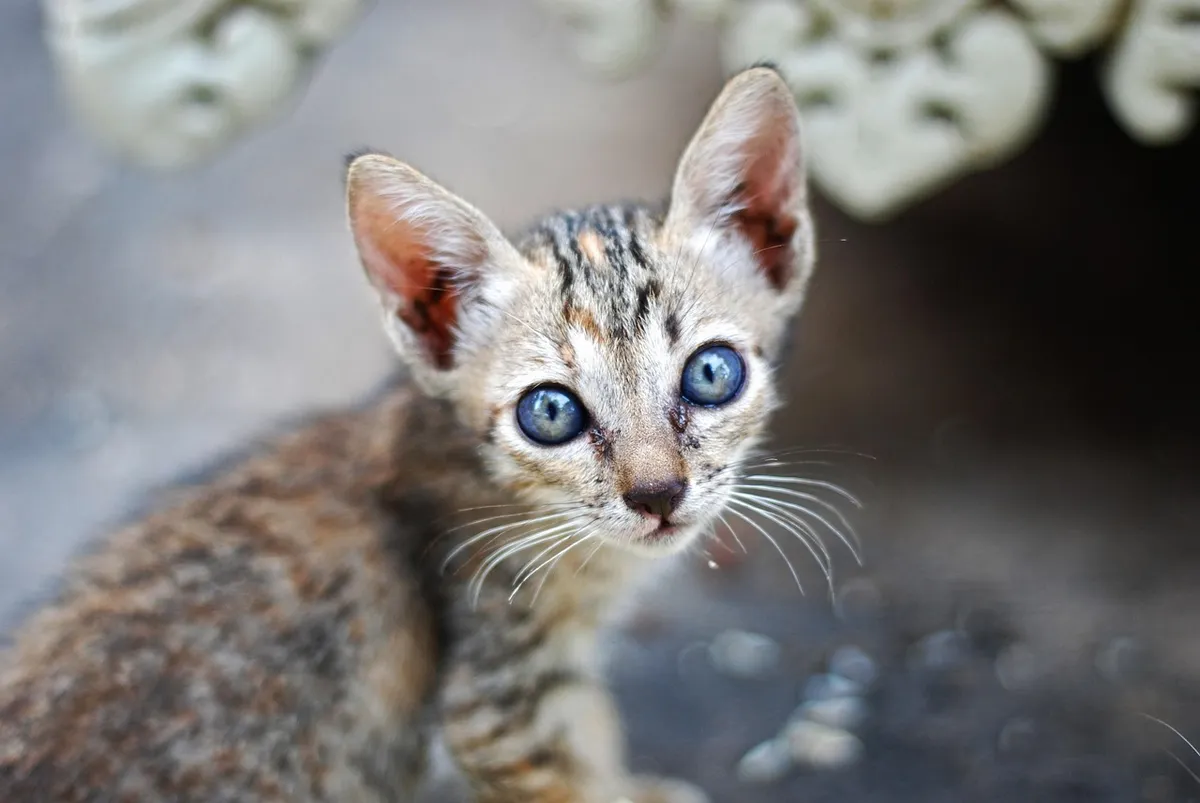
A sudden change in a known patient's baseline is the most critical indicator. Always keep emergency contact information and medical records ready for the clinic.
- How to recognize symptoms of heart disease?
- Is it time to rush my cat to the vet?
- How can I keep my cat's heart stable during transport?
The subject here is Cat heart emergency care.
The same subject is also called Feline heart issue help.
This part also covers When to see a vet now.
This part also covers Stabilizing a cat's heart.
Related
- Small animal heart care: Signs of heart disease guide
- Feline heart disease early signs: Watch lethargy in cats
What to watch for during a sudden change?
During a sudden change in a pet's condition, the owner must remain vigilant for any regression to normal behavior. A return to normal breathing patterns, if it occurs, does not negate the previous emergency; professional follow-up remains crucial.
The owner must monitor for any recurrence of labored breathing or weakness after the initial crisis passes.
If the cat exhibits a sudden change in activity level, this warrants immediate concern. This sudden change might precede a full collapse, making observation critical before seeking help. The owner needs to correlate the observed behavior with the onset of respiratory distress.




Comments 0