5 Key Criteria for Choosing Dog Joint Supplements Today
"If your dog stops sprinting for tennis balls and starts dragging their hind legs, it isn't just 'getting old'—it's a distress signal from their joints."
Joint health in dogs is about much more than just movement; it is directly tied to their overall quality of life and longevity.
By monitoring the gait of senior dogs and proactively providing essential nutrients to high-activity breeds, owners can play a critical role in slowing the progression of degenerative conditions.
* The Core of Joint Health: Consistent supply of cartilage building blocks like glucosamine and chondroitin. * Dietary Management: Combining anti-inflammatory Omega-3 fatty acids with strict weight control. * Nutrient Concentration: Choosing based on ingredient concentration, absorption rates, and the dog's specific life stage. * Important Note: Supplements are not cures; if symptoms appear, consult a veterinarian immediately.

Why does my dog suddenly limp or slow down?
It is a dim Tuesday evening, and as your dog crosses the hardwood floor in the living room, they suddenly sink toward the ground, their hindquarters hitting the floor with a heavy thud. They should be rushing toward you for a treat, but even a single step looks like an exhausting struggle.
According to Chiropractic & manual therapies (2019), "Compared to women with fewer joint pain sites, women with >5 joint pain sites (multisite joint pain) had significantly poorer physical and emotional health-related quality of life, more severe pain, a higher probability of neuropathic pain, and a longer duration of pain."
While this specific study focused on humans, the principle of widespread discomfort remains a critical concern for multi-joint issues in pets. Dogs cannot tell us "it hurts," making it incredibly difficult for owners to catch the subtle shifts in behavior.
Arthritis occurs when cartilage wears down, causing bone to rub against bone, which triggers inflammation and intense pain. Large breeds often face extreme pressure on their joints due to their body mass, while small breeds frequently battle genetic issues like luxating patellas.
Once pain sets in, dogs tend to decrease their activity levels, which leads to muscle loss. This creates a vicious cycle where the lack of muscle strength further weakens the support system for the joints.
If you notice your dog is particularly stiff when waking up or hesitates before climbing the stairs, these are red flags. As of 2026, many dogs face mobility challenges due to aging.
Without timely nutritional intervention and environmental adjustments, they may lose the ability to walk entirely. But understanding the "why" is only half the battle; you also need to know what to feed them.
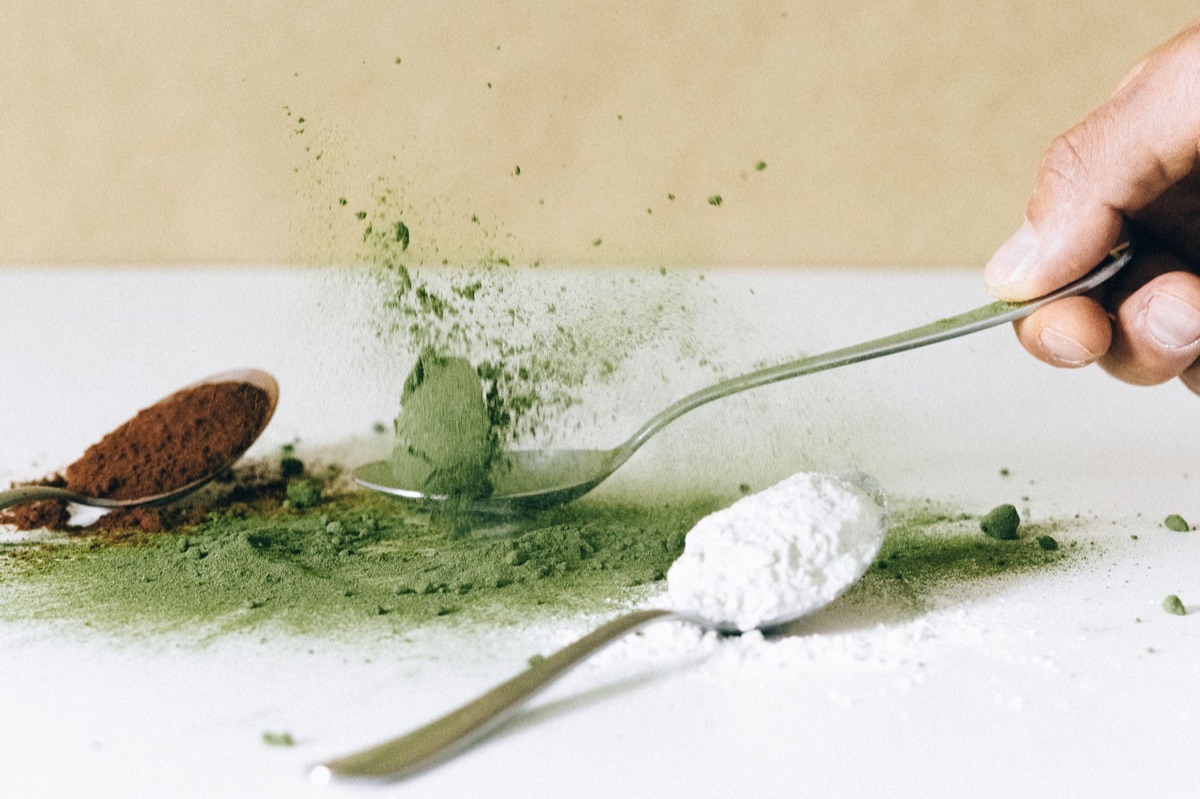
Which ingredients will actually protect my cartilage? You sit at the kitchen counter, staring intensely at the fine print on the back of a bag of premium dog food. Terms like glucosamine, chondroitin, and MSM blur together in a long list of chemical-sounding names.
It is hard to know which of these actually do the heavy lifting for a dog's skeletal health. When I first started looking into this for my own Labrador, I felt completely overwhelmed by the sheer number of bottles on the shelf.
The most common ingredients found in joint supplements and functional foods are glucosamine and chondroitin. These serve as the fundamental building blocks of cartilage, helping to support regeneration and slow down the rate of wear and tear.
| Ingredient | Primary Role | Expected Benefit |
|---|---|---|
| Glucosamine | Supplies cartilage cell components | Supports cartilage repair and joint flexibility |
| Chondroitin | Maintains moisture and elasticity in cartilage | Enhances shock absorption and delays wear |
| MSM (Methylsulfonylmethane) | Reduces inflammation and discomfort | Helps suppress inflammatory responses in joints |
| Omega-3 (EPA/DHA) | Inhibits inflammatory substances | Manages systemic inflammation and joint swelling |
Glucosamine acts as the raw material for the cartilage framework. Chondroitin works by holding moisture between those structural elements, acting like a cushion.
When MSM is added, it can assist in managing the discomfort caused by inflammation. However, it is vital to remember that these ingredients cannot "regrow" cartilage that has already been completely destroyed.
The goal of supplementation is preservation and slowing the progression of decay, rather than a total reversal of damage. This leads to a common dilemma: should you use food or a separate supplement?
Should I take supplements or eat functional foods? You unscrew the lid of a new supplement jar, and a savory, meaty scent wafts into the air. Adding a scoop of powder to a bowl of kibble or tossing in a chewable treat has become a daily ritual.
According to the Journal of athletic training (2020), it remains unknown whether combining 2 specific exercises increases improvement.
But the question remains: is the food enough, or do they need the extra boost?
Research in the Journal of athletic training (2020) notes that "However, whether combining the 2 exercises increases improvement is unknown," suggesting that while multi-modal approaches are common, the exact synergistic boost of combining different therapies is still being studied.
Functional foods and standalone supplements differ in how they are administered and their intended intensity. Functional foods are optimized for consistent, daily delivery of nutrients through regular meals.
They are convenient because they balance the entire diet while including joint-supporting elements. Supplements, on the other hand, allow for much higher concentrations of specific ingredients.
This makes them ideal for dogs already showing signs of joint disease or senior dogs that require high-dose therapeutic support. To manage this effectively, follow this progression:
- Prevention Stage (Ages 1–5): Use a balanced, functional food to provide foundational joint nutrition for healthy dogs.
- Management Stage (Ages 6–8): Introduce supplements alongside food as activity levels change or aging begins.
- Intensive Care Stage (Ages 9+): Follow a veterinarian's recommendation for high-dose supplements to manage active inflammation and pain.
When choosing a supplement, look past the price tag. Check for ingredient transparency and ensure the delivery method (powder, liquid, or chew) is something your dog will actually accept without stress. But even the best food won't work if your home is working against them.
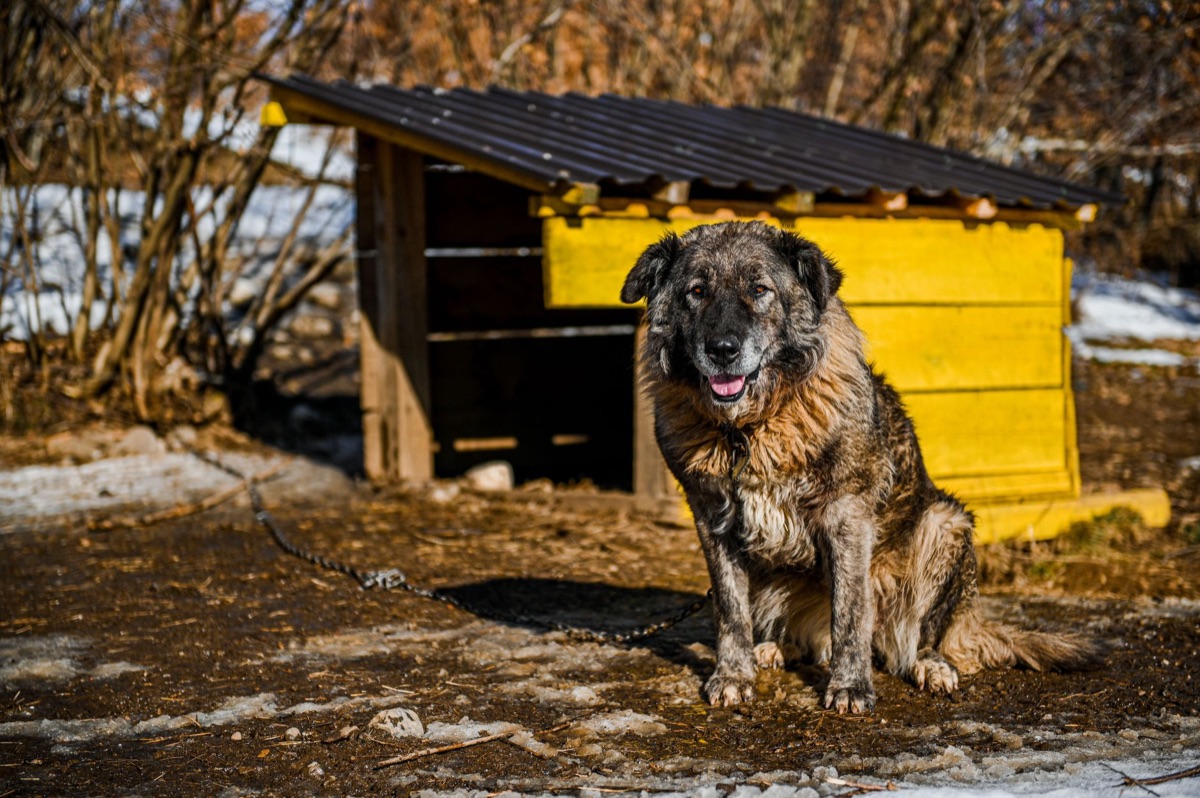
How to create a joint-friendly routine at home
Your dog wakes up from a nap and gives their body a long, slow shake. It used to be a vigorous, happy movement, but now there is a visible hesitation in their limbs.
For a senior dog, the environment they live in is just as important as the food they eat. Joint health is not achieved through diet alone; it requires a holistic approach involving home modifications and consistent physical activity.
First, prevent slipping. The moment a dog's paws slide on a slick floor, a massive amount of jarring force is sent straight into their joints.
Installing non-slip rugs or specialized traction mats throughout the house is a necessity, not a luxury. Second, prioritize weight management.
Even a small increase in body weight puts exponential pressure on a dog's joints. If you are feeding joint supplements but your dog's weight is creeping up, the extra weight may actually be negating the benefits of the nutrients.
Third, maintain muscle mass through low-impact exercise. Muscle acts as a natural brace, absorbing the shock that would otherwise hit the bone.
Rather than long, strenuous hikes, short and frequent walks on flat terrain are much more effective for maintaining muscle without causing injury.
What are the limits of joint care?
There are clear boundaries to what joint care can achieve. It is essential to understand that supplements are not medications. According to Pain physician (2021), all 3 groups in the study showed a significant decrease in sacroiliac joints-related pain parameters.
They are tools to support nutritional gaps, not treatments for broken bones or advanced, debilitating degenerative arthritis. Furthermore, what works for one dog may not work for another.
One dog might see massive improvements from Omega-3s, while another might require a much higher concentration of glucosamine to see any change. Special care must be taken for dogs with underlying health issues.
For instance, if a dog has sensitive kidneys or specific food allergies, the "filler" ingredients in a supplement could cause more harm than good. Always consult your veterinarian before introducing a new supplement regimen to ensure it aligns with your dog's current medical profile.






Comments 0