Pet transport industry trends: Guide to air travel for pets
"Nine out of 10 households consider their dog part of the family."
The pet shipping market growth is driven by the deep emotional bonds between humans and their animals, leading to a surge in specialized transport services. This guide examines the current state of pet travel, including airline requirements and the increasing volume of animal transport trends.
How does the pet shipping market growth affect travel?
At the crowded airport terminal, I grip my heavy suitcase while watching the sudden surge in specialized pet transport.

A traveler stands in a busy terminal, checking a sturdy plastic crate before approaching the check-in counter. The rise in pet ownership has fundamentally shifted how airlines handle cargo and passenger luggage.
The pet shipping market growth is largely a result of shifting social dynamics where animals are treated as family members. Because 9 out of 10 households consider their dog part of the family, owners are increasingly willing to prioritize animal transit over their own travel plans.
According to the provided data, 37% of owners have opted against traveling to stay at home with their dog. This trend forces the industry to adapt to higher volumes of live cargo.
Increased demand for pet relocation services often leads to higher booking volumes for specialized cargo and passenger travel.
How many pets are flying right now? pet transport industry trends An agent scans a boarding pass while a large dog waits patiently in a ventilated carrier nearby. Understanding the composition of animal cargo is essential for logistics planning.
The distribution of animals in flight cargo shows a clear dominance of specific species. From the total amount of pets shipped via aeroplane each year, 58% are dogs and 22% are cats. These figures illustrate that the pet shipping market growth is heavily weighted toward canine transport.
In this sequence, the first point regarding volume is the most significant.
Why is pet ownership growing worldwide? A resident in a sunny suburb walks a dog through a park, reflecting a common global scene. Regional differences show how the increase in pet owners varies by geography.
Global pet ownership rise varies significantly depending on the country. Australia has the highest rate of pet ownership in the world where approximately 61% of households own a pet, with 40% being dogs and 27% being cats.
This high density of ownership creates unique pressures on international shipping and quarantine protocols.
As more households welcome pets, the demand for seamless travel solutions continues to expand globally.
What are the safety requirements for animal transport trends?
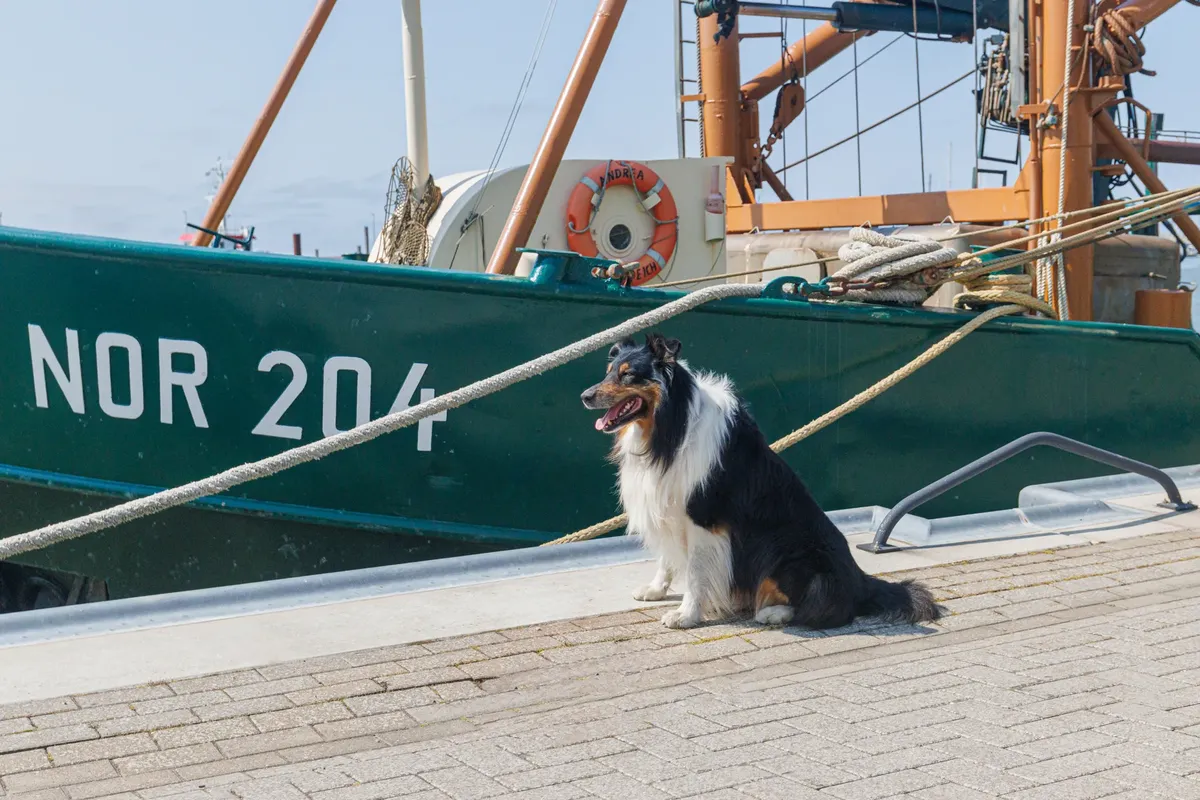
A technician inspects a specialized carrier to ensure it meets strict international safety standards. Managing animal transport trends requires adherence to specific mechanical and environmental rules.
Safety is the primary concern when moving live animals through air hubs. The International Air Transport Association requires the carrier to be large enough for the animal to sit, stand and lie comfortably within it, with a solid floor base.
They are then placed in a pet carrier that is approved by the International Air Transport Association and relocated to a separate baggage handling area specifically for animals.
To ensure a safe journey, follow these essential steps:
- Verify that the carrier size allows the animal to stand, sit, and lie down comfortably. 2. Ensure the carrier has a solid floor base as required by the International Air Transport Association. 3. Confirm the pet is moved to a dedicated baggage handling area rather than standard luggage belts.
I once watched a traveler carefully double-check the ventilation of a carrier before handing it to an agent to ensure it met these specific dimensions.
One limitation to consider is that the effectiveness of these safety measures depends heavily on the specific airline's handling procedures once the animal reaches the baggage area.
- Verify the structural integrity of the transport crate.
- Ensure adequate ventilation for the animal.
- Confirm all locking mechanisms are secure.
How do quarantine rules work for international travel?
A customs officer inspects documentation at a bright, sterile entry facility. Moving animals across borders involves strict legal and biological checkpoints.
International movement requires navigating complex biosecurity laws. For Australia, all pets must be imported into Melbourne and quarantined in the post entry facility for a minimum of 10 days. These regulations are designed to prevent the introduction of foreign diseases into local populations.
| Species Type | Percentage of Annual Air Shipments |
|---|---|
| Dogs | 58% |
| Cats | 22% |
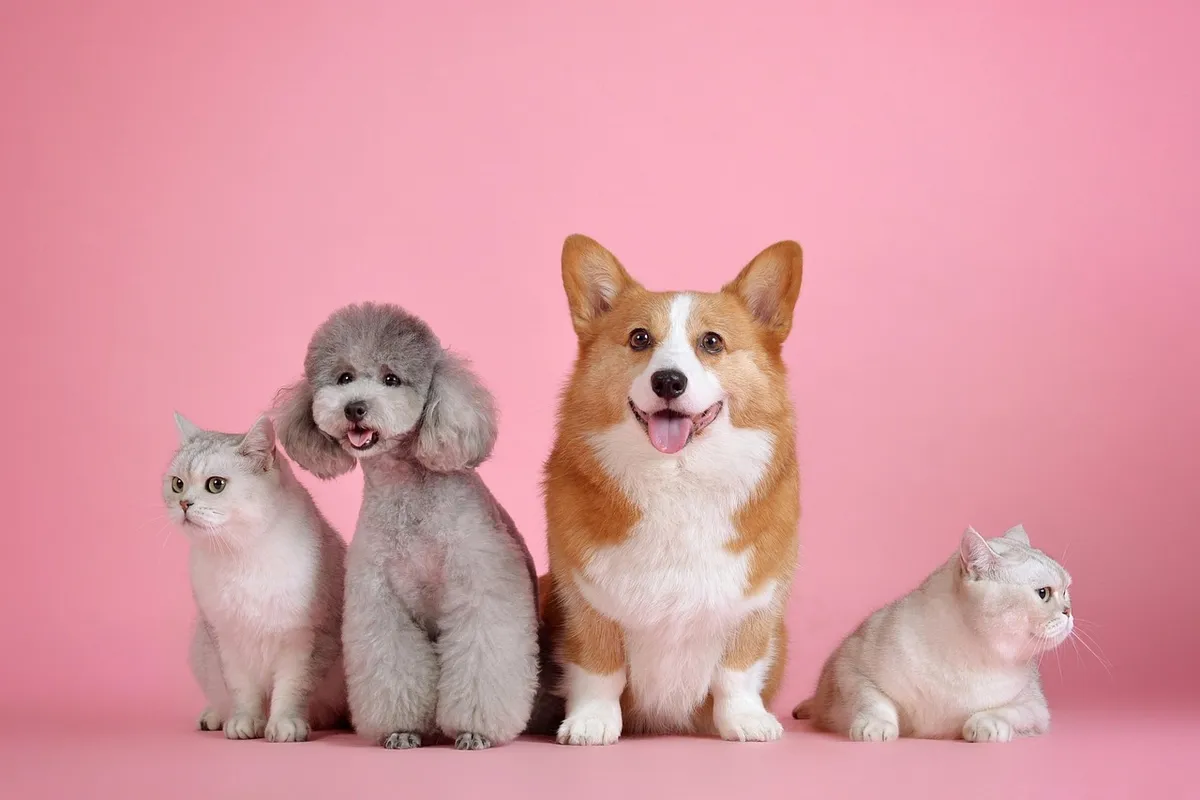
Quarantine protocols vary by country and often require specific isolation periods upon arrival.
Wikipedia: Humane World for Animals (full) Based on the retained excerpt mentioning USDA: In February 2008, after an undercover investigation conducted by HSUS at the Westland Meat Packing Company alleged substantial animal abuse, the USDA forced the recall of 143 million pounds of beef, some of which had been routed into the nation's school lunch program.
The subject here is pet transport industry trends.
The same subject is also called air travel for pets stats.
This part also covers air cargo pet regulations.
This part also covers pet travel volume data.
global pet ownership rise
Related
- Pet food regulation history: Why industry matters most
- Global pet food market trends: Digital storefronts why
What are the limitations of current pet transport?
The success of international journeys hinges on the cooperation between owner and carrier compliance. One limitation arises when the chosen carrier fails to meet the dimensional standards set by the International Air Transport Association.
According to the Veterinary Forensic Science Center, the ASPCA opened the ASPCA Veterinary Forensic Science Center in Gainesville, Florida, in 2020 to assist law enforcement with animal cruelty investigations and prosecutions.
Furthermore, the effectiveness of safety protocols relies heavily on the specific airline's operational procedures once the animal reaches the baggage area.
The nine out of ten households that view their dog as family bring heightened expectations to the travel process. This deep integration means that the journey itself becomes part of the family experience, making proper transit conditions critical.
Current limitations often include restricted cabin space and varying airline policies regarding live animal transport.
How does the sentiment of pet ownership influence travel choices?
The sentiment of nine out of ten households regarding their dog as family drives significant travel decisions. Because this bond is so strong, owners are often willing to forgo personal travel arrangements to accommodate the animal's movement.
This willingness to prioritize the pet's needs directly impacts the volume and nature of cargo handled by airlines.








Comments 0