Pet food toxin risks: Mycotoxin in pet food guide
"The quality of the ingredients we put into our pets' bowls determines the health of the lives we share our homes with."
Pet food toxin risks often stem from contaminants hidden within raw materials, making careful selection essential for pet owners.
This guide explores the dangers of mycotoxin in pet food, offers tips for safe pet food selection, and highlights the importance of avoiding low-quality feed-grade ingredients.
You will learn how to evaluate ingredient sources, recognize the limitations of current regulations, and implement a strategy for protecting your pet's health.
What are the real risks of toxins in pet food?
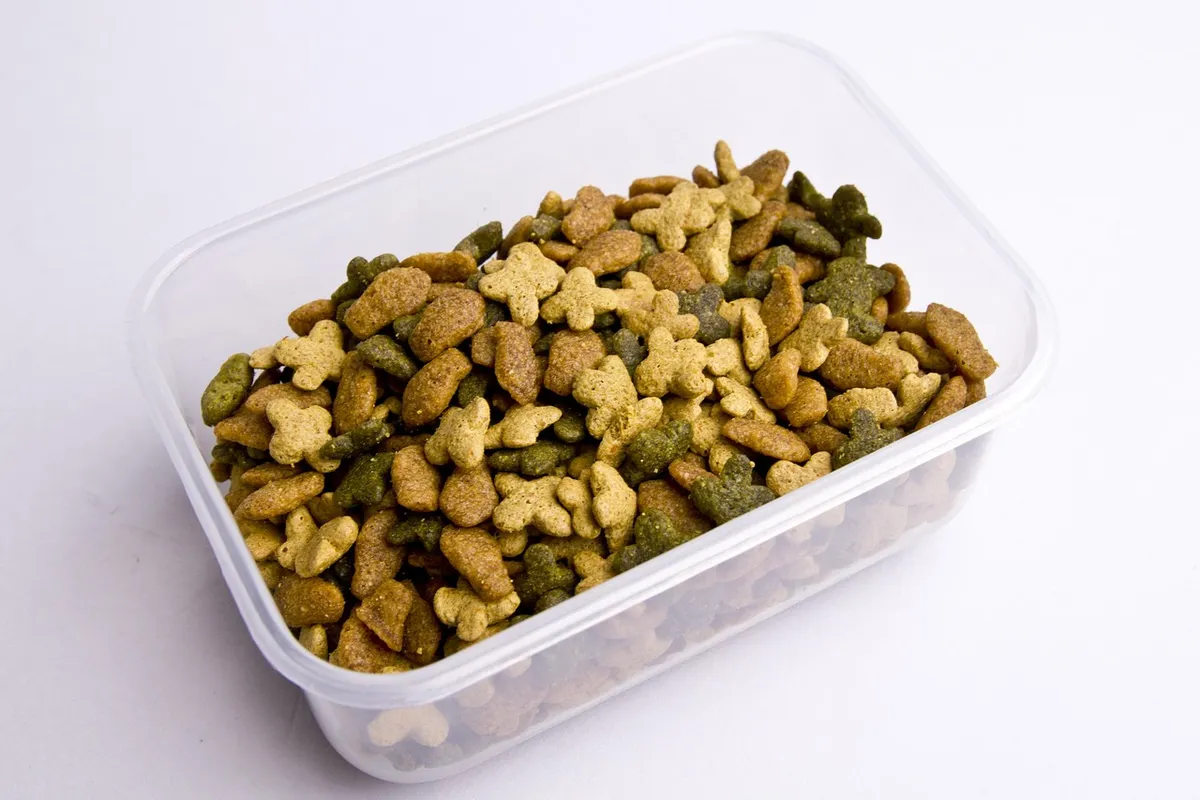
In the dim kitchen, I tremble while staring at the bag of food, feeling a cold chill run down my spine. In the dim light of the kitchen, I stare at the bag of food while a cold chill runs down my spine.
The American Veterinary Medical Association references a case study related to a commercial pet food plant.
A pet owner stands in a quiet kitchen, pouring dry kibble into a ceramic bowl while wondering about the invisible contents of every pellet. The sound of the kibble hitting the bowl is consistent, yet the chemical composition remains unseen.
According to the American Veterinary Medical Association, the video references the case of a specific commercial pet food plant that was also the subject of a March 2014 study published in the Journal of the American Veterinary Medical Association.
Since 1993, the FDA has confirmed concerns regarding toxins in feed grade (animal grade) ingredients. Despite these long-standing concerns, no comprehensive federal regulation exists on mycotoxin testing in feed grade ingredients used to make pet food.
This lack of oversight means that contaminants can enter the supply chain through raw materials intended for animal use.
The danger of mycotoxin in pet food is a significant concern for those seeking to provide the highest quality nutrition. Because toxins can be present in raw ingredients, the safety of the final product depends heavily on the quality of the initial supply.
A history of contamination serves as a stark reminder of these risks. For example, over 100 canine deaths and at least one feline fatality have been linked to Diamond Pet Foods contaminated by potentially deadly aflatoxin, according to Cornell University veterinarians.
This incident highlights how a single source of contamination can have devastating consequences for many animals.
In this sequence, the first point is the most critical.
How to manage aflatoxin pet food danger
A veterinarian examines a pet, noting the subtle signs of illness that might be traced back to a recent change in diet. The clinical reality of food-related illness is often much more complex than a simple stomach ache.
Aflatoxin pet food danger is a specific threat that arises when certain molds contaminate grain and other agricultural products. These toxins are often heat-stable and can persist through various manufacturing processes.
To mitigate these risks, owners should follow these steps:
- Prioritize ingredients that are certified for human consumption rather than those labeled as feed grade. 2. Monitor pet health closely for sudden changes in appetite, energy levels, or physical symptoms. 3. Store all food in airtight, cool environments to prevent secondary mold growth.
I once noticed a subtle change in my dog's energy after switching to a budget-friendly brand, which led me to re-evaluate our ingredient sourcing. Following these steps helps bridge the gap left by regulatory voids.
The trend toward higher quality ingredients is a direct response to these historical risks. For all the reasons mentioned, a trend away from feed ingredients and toward USDA-certified ingredients fit for human consumption has developed.
- Inspect grain ingredients for discoloration or mold.
- Avoid purchasing pet food with visible clumps.
- Monitor pets for sudden changes in appetite or behavior.
How do I create a pet food safety guide? A hand reaches for a bag of food, checking the label for specific ingredient lists and manufacturer information. This routine check is the first line of defense against contaminated products.
A pet food safety guide should focus on the transparency of the supply chain and the quality of the raw materials. Since the source of the ingredients is often the primary vector for toxins, knowing where the food comes from is vital.
Aflatoxin pet food danger can be minimized by choosing brands that utilize rigorous testing protocols. While federal regulations for mycotoxins in pet food are not comprehensive, some manufacturers implement their own internal testing to ensure safety.
| Feature | Feed Grade Ingredients | Human-Grade Ingredients |
|---|---|---|
| Regulatory Oversight | Lower standards for purity | Higher standards for purity |
| Toxin Risk Profile | Higher risk of mycotoxins | Lower risk of mycotoxins |
This comparison illustrates why many owners are moving toward higher-standard ingredients. Choosing the right level of quality is a fundamental part of responsible pet ownership.
In this sequence, the first point is the most critical.
Practicing safe pet food selection
An owner opens a new bag of food, checking for any signs of moisture or unusual odors. The sensory experience of handling food is a necessary part of regular maintenance.
Safe pet food selection involves more than just looking at the brand name; it requires an understanding of ingredient origins. Avoiding feed-grade materials is a primary strategy for reducing toxin exposure.
One way to manage these risks is by understanding the history of food safety. In 1993, the FDA issued a document for the content limits of DON in food and animal feed at an advisory level.
This shows that even when specific toxins are identified, the regulatory response is often focused on advisory levels rather than strict mandates.
The goal is to minimize the presence of toxins through every step of the selection process. By choosing ingredients that meet higher standards, owners can better protect their pets from the risks inherent in lower-quality feeds.
In this sequence, the first point is the most critical.
Protecting pet health through storage
A person moves a heavy bag of pet food from the pantry to a cool, dry storage bin. Proper handling after purchase is just as important as the initial selection.
Protecting pet health requires maintaining the integrity of the food once it enters the home. Moisture and temperature fluctuations can exacerbate the risks of mold and toxin development.
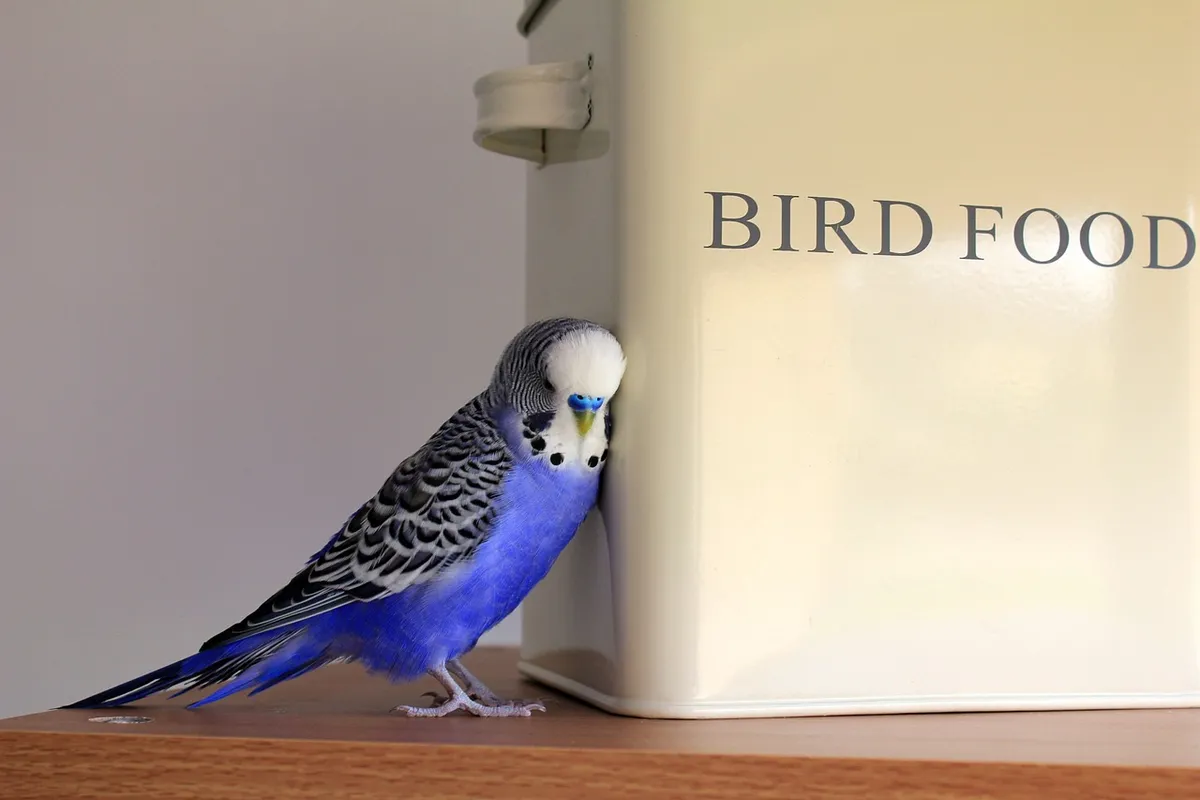
- Use airtight containers to prevent moisture from entering the food. 2. Store food in a cool, dark place away from direct sunlight. 3. Rotate stock to ensure that older food is used before it loses freshness.
A final check of the food's texture and smell every time a bag is opened can prevent the accidental feeding of spoiled products. Maintaining these habits ensures that the quality of the food remains consistent throughout its shelf life.
In this sequence, the first point is the most critical.
Wikipedia: Foodborne illness Based on the retained excerpt mentioning CDC: In the United States, using FoodNet data from 2000 to 2007, the CDC estimated there were 47.8 million foodborne illnesses per year (16,000 cases for 100,000 inhabitants) with 9.4 million of these caused by 31 known identified pathogens.
Related





Comments 0