Pet food impact: 30% guide to sustainable choices
Understanding the environmental footprint of pet food production is essential for responsible pet ownership and industry reform. This guide explores how pet food production relates to ecological damage, the specific role of emissions, and the regulatory landscape governing ingredient safety. Key takeaways include the significant percentage of environmental impact attributed to pet food manufacturing, the scale of global emissions from dry food, and the importance of ingredient oversight.
How much does pet food hurt the environment? A heavy bag of kibble sits on a kitchen floor, a silent reminder of the resources required to produce it. This pet food environmental impact stems from the massive scale of animal-based ingredient sourcing and manufacturing processes.

Pet food production is responsible for 20–30% of the environmental impacts from animal production. This percentage represents a significant portion of the total ecological footprint associated with raising animals for food.
Addressing these production methods is a core component of sustainable animal nutrition.
The production of pet food involves resource-intensive processes such as land use for agriculture, water consumption, and waste generation.
How do emissions affect the climate change feed industry?
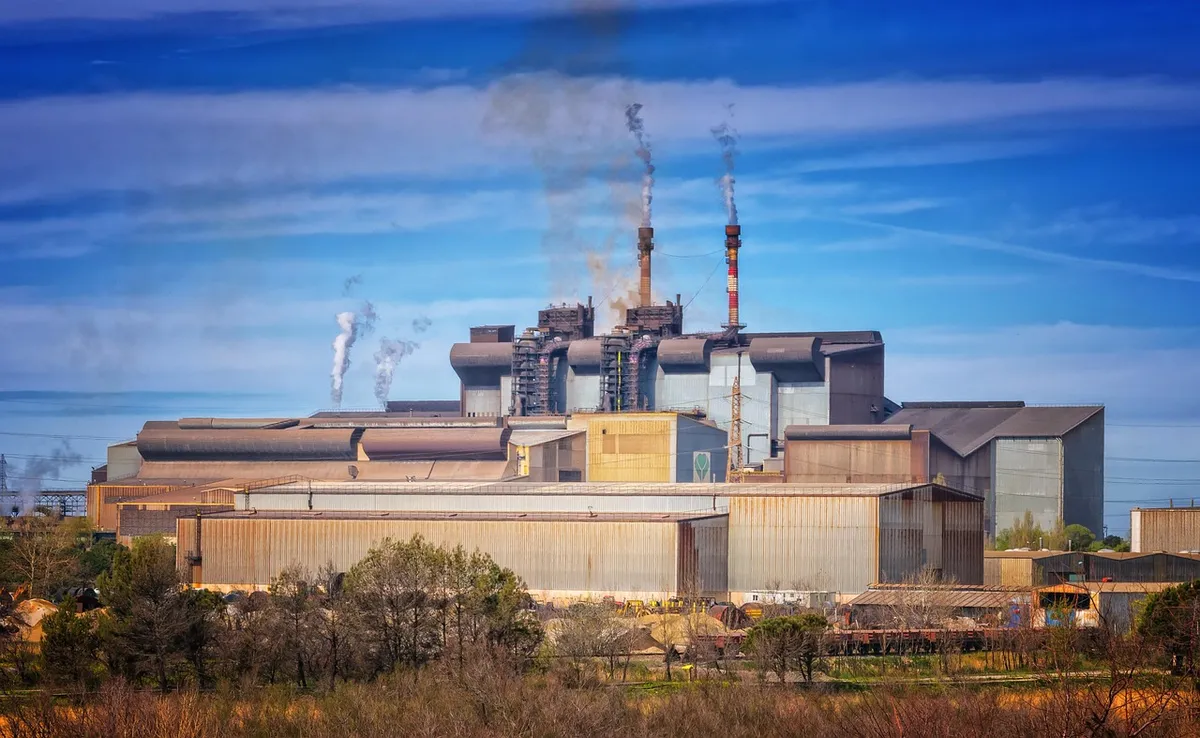
A factory chimney releases steam into a gray sky, symbolizing the invisible gases released during manufacturing. The climate change feed industry must grapple with the fact that pet food production is tied closely to global warming.

It has been estimated that global greenhouse gas emissions from dog and cat dry food represents around 1.1%−2.9% of global emissions. This amount is close to the total emissions of countries such as Mozambique or the Philippines. Managing these outputs is vital for an eco friendly pet food future.
Greenhouse gas emissions from livestock farming and manufacturing facilities contribute to the overall carbon footprint of the pet food supply chain.
According to WHO, the 2003 record includes 30%.
How can we achieve eco friendly pet food?
A consumer scans a label in a bright grocery aisle, looking for sustainable alternatives. Developing an eco friendly pet food supply chain requires rethinking how ingredients are sourced and processed.
One way to move toward a circular economy pet food model is to optimize ingredient use and reduce waste. A low carbon pet food strategy might involve sourcing ingredients that require fewer resources during the primary production phase.
By focusing on these areas, the industry can reduce its overall footprint.

- Select ingredients with lower land-use requirements.
- Prioritize locally sourced components to reduce transport emissions.
- Opt for packaging that is recyclable or compostable.
What are the risks of pet food's environmental cost? A farmer inspects a field of grain, where hidden toxins might be lurking. The pet food environmental cost often includes the unintended consequences of intensive ingredient farming, such as chemical runoff or soil depletion.
While the industry grows, the scale of production increases the potential for resource strain. The petty details of ingredient quality and sourcing directly impact the global footprint. Finding a balance between mass production and ecological health remains a primary challenge.
I find that the second step in the transition to sustainability is the most complex.
How are ingredients regulated for safety?
A technician in a white lab coat tests a sample of grain in a laboratory. Ensuring safety while maintaining sustainability is a complex task for oversight bodies.
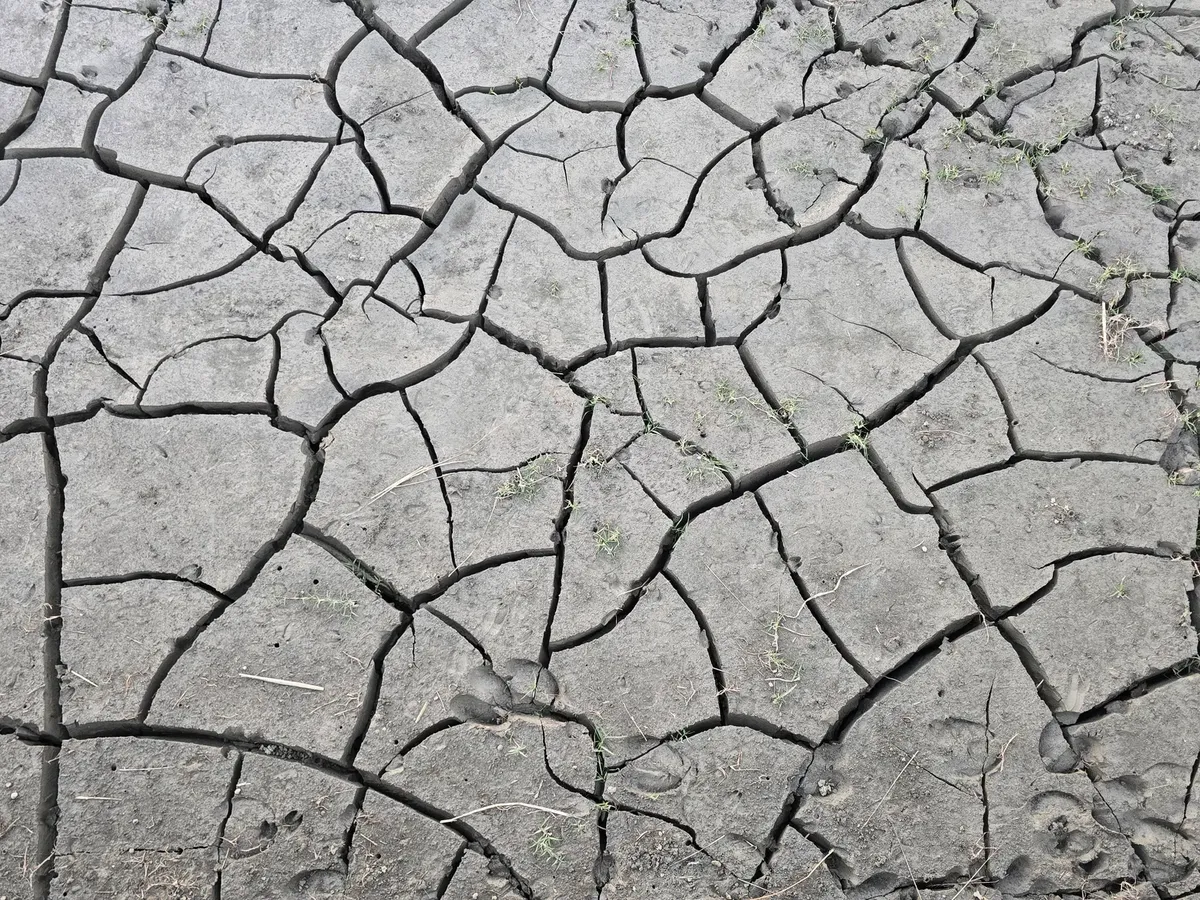
According to the State Food and Drug Administration, the Chinese government attempted to consolidate food regulation with the creation of the State Food and Drug Administration in 2003, as officials faced increasing public and international pressure to solve food safety problems.
Since 1993, the FDA has confirmed concerns of toxins in feed grade (animal grade) ingredients, yet to date no comprehensive federal regulation exists on mycotoxin testing in feed grade (animal grade) ingredients used to make pet food.
This lack of specific regulation highlights the difficulty in managing ingredient safety across the global supply chain.
Regulatory bodies establish standards to ensure that ingredients are processed safely and meet nutritional requirements.
How do labels provide guidance?
A pet owner holds a bag of food, comparing the labels of two different brands. Labels provide the necessary information to make informed decisions about what animals consume.
| Label Type | Requirement/Feature |
|---|---|
| Organic | Must meet the same USDA regulations as organic human food |
| CVMA Certified | Involves a feeding trial and carries a specific label in Canada |
I noticed that while labels provide clarity, the complexity of ingredient sourcing can make it difficult to verify every claim. A limitation of current understanding is that the specific environmental impact of every single ingredient is not always clearly defined in standard labeling.
Labels offer transparency regarding ingredient origins and nutritional content to help consumers make informed choices.
Related
- How do toxins in pet food ingredients affect health?
- Pet transport industry trends: Guide to air travel for pets
What are the challenges in achieving Understanding regarding environmental impact?
The primary challenge in achieving a full Understanding of the environmental impact lies in the varied sourcing of ingredients. The scale of production inherently increases the potential for strain on natural resources.
This scale-up contrasts sharply with the localized nature of ingredient processing, where small inefficiencies can compound into a large global footprint.
How does ingredient oversight relate to Understanding the environmental footprint?
Ingredient oversight is crucial because the specific environmental impact of each component is not always detailed on the label.
While the FDA has flagged concerns regarding toxins in animal grade ingredients since 1993, the lack of comprehensive federal regulation on mycotoxin testing remains a hurdle. This gap complicates any attempt to fully map the environmental cost.
What is the role of the consumer in understanding the environmental cost?
The consumer holds the power to drive change by scrutinizing product labels. When a pet owner compares brands, they are engaging in a direct comparison of production philosophies.
This choice influences market demand, pushing the industry toward greater transparency regarding its environmental undertaking.
What is the role of Understanding in industry reform?
Understanding the environmental footprint is the starting point for any meaningful industry reform. This Understanding allows stakeholders to pinpoint where the greatest ecological strain occurs within the supply chain. Pinpointing these pressure points is necessary to implement effective changes.
The scale of production necessitates a shift in approach. Acknowledging the environmental cost compels manufacturers to move beyond simply meeting minimum standards. This Understanding drives the search for genuinely sustainable practices across the board.
How does Understanding influence future production choices?
Understanding the nuances of ingredient sourcing allows producers to make informed choices about future inputs. If the environmental cost of a specific ingredient is high, producers can seek alternatives. This proactive approach mitigates future ecological damage.
The industry must embrace this Understanding to move toward a circular economy model. This acceptance of responsibility shapes how products are conceived from the outset, rather than being an afterthought. This is key to long-term viability.








Comments 0