Kidney Disease in Cats: Recognizing Vomiting Symptoms
"Chronic vomiting in cats can signal serious health issues, from kidney disease to gastrointestinal disorders."
Chronic vomiting in cats is rarely just a "stomach bug" if it happens repeatedly over weeks or months. It often serves as a warning sign for underlying issues like kidney disease, inflammatory bowel disease, or metabolic imbalances.
Key Takeaways * Chronic vomiting is frequently linked to kidney disease, gastrointestinal disorders, or systemic illnesses. * Early detection is critical because prolonged vomiting leads to dehydration, electrolyte imbalances, and organ damage.
* Owners must monitor changes in appetite, weight, and thirst to catch underlying conditions early.
Why does my cat keep vomiting? The sun hits the living room rug where your cat usually naps, but today, they are curled in a tight, uncomfortable ball near the corner of the sofa. You watch as they lean forward, their body tensing before they retch.
Ausgabe K, Kleintiere/Heim, the prevalence in young animals is high and may amount to up to 50% in 2023.
While a single hairball might be normal, persistent vomiting often points to deeper physiological struggles. Chronic kidney disease (CKD) is a leading culprit for this symptom in feline patients.
Gastrointestinal disorders are also highly prevalent. Conditions such as inflammatory bowel disease (IBD) or pancreatitis frequently cause persistent vomiting that disrupts a cat's daily life.
Systemic diseases can also manifest this way. Issues involving the thyroid, diabetes, or the liver often present with vomiting as a primary visible symptom.
Chronic vomiting can stem from various underlying issues, including hairballs, hyperthyroidism, or food intolerances. Identifying the specific culprit often requires monitoring the frequency of episodes over a period of 2 to 4 weeks.
However, understanding the general causes is only the first step. You need to know how to spot the specific signs of the most dangerous culprit: kidney disease.

How does chronic kidney disease present in cats?
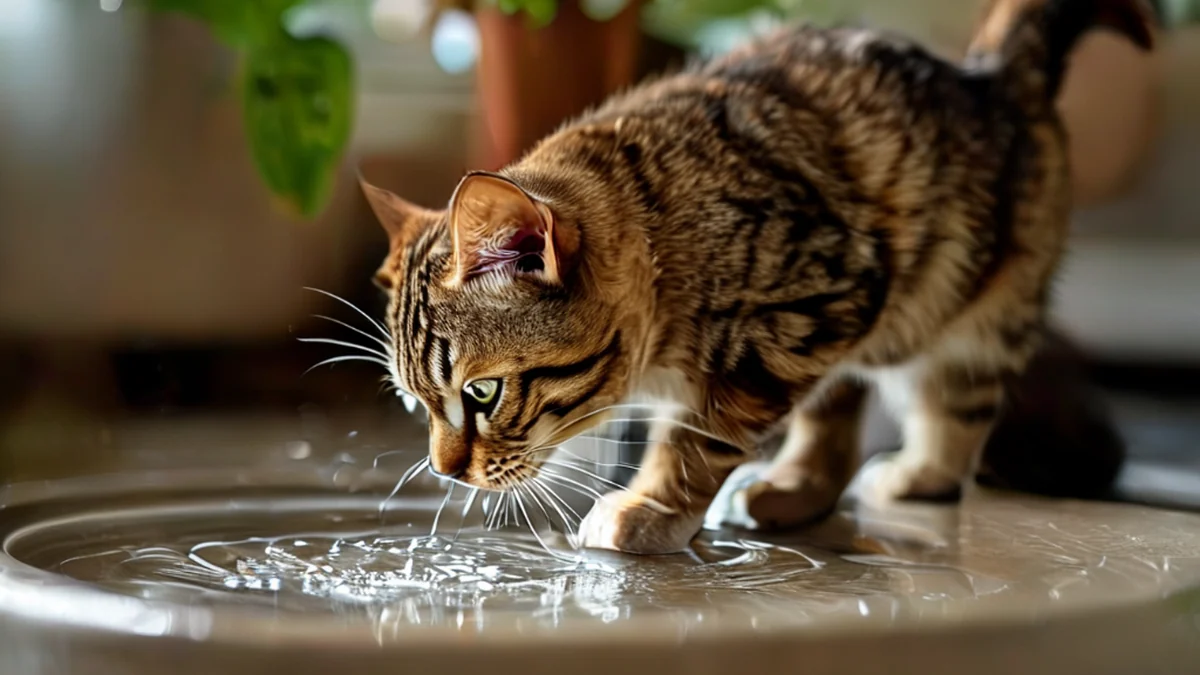
At midnight, the cat laps frantically at the water bowl in the dark kitchen.
It is 3:00 AM, and you hear the frantic sound of water lapping at the bowl in the kitchen. You turn on the light to see your cat drinking more water than usual, their eyes looking slightly dull.
According to the Journal of the American Veterinary Medical Association, survival disadvantages were found for leukocytosis, ≥ 2-fold increased alkaline phosphatase, and hyperbilirubinemia in 2022.
In cats, kidney issues often show up through a specific cluster of signs. Owners frequently notice vomiting, weight loss, increased thirst, and a noticeable decrease in appetite.
Veterinarians look for specific diagnostic indicators to confirm this progression. These include elevated creatinine levels, a reduced glomerular filtration rate (GFR), and albuminuria.
The disease often moves through stages. When a cat reaches stages 3-5, characterized by a GFR of less than 60 mL/min/1.73 m², it can lead to end-stage renal disease.
As of 2025, kidney dysfunction often manifests through subtle changes in thirst and urination patterns. Cats may experience a weight loss of 5% to 10% of their total body mass as the disease progresses.
Owners might notice the cat drinking 2 to 3 times more water than their usual daily amount. But recognizing these signs is only half the battle; you must know exactly how to react when they appear.
What should I do if my cat won't stop vomiting? You sit on the floor with a notebook, recording every time the cat retreats to the litter box or avoids their favorite wet food. You feel the tension in your chest as you realize this has happened four times this week.
According to Topics in companion animal medicine, as little as 2 leaves or part of a single flower have resulted in deaths in 2010.
The first step is rigorous monitoring. You should track the frequency of the vomiting, how long each episode lasts, and any associated symptoms like lethargy or signs of dehydration.
Timing is everything when deciding to call the clinic. Immediate veterinary attention is required if the vomiting persists for more than 24 hours or is accompanied by other distressing signs.
When you arrive at the clinic, be prepared for a series of diagnostic tests. Your vet will likely recommend bloodwork to check creatinine, BUN, and electrolytes, along with a urinalysis and imaging to rule out tumors or physical obstructions.
Follow this checklist to prepare for your visit:
- Document the frequency, color, and consistency of every vomiting episode.
- Monitor the cat's food and water intake for 24 hours.
- Check for other symptoms like lethargy or changes in stool.
- Prepare a sample of the vomit to bring to your veterinarian.
While preparation helps, the actual medical intervention often focuses on long-term management.
How is chronic vomiting treated in cats?
The vet's office smells of antiseptic and calm, low-frequency music. You watch as the technician gently weighs your cat, noting the slight loss in muscle mass around the hips.
According to the Journal of feline medicine and surgery, there was a statistically significant decrease in vomiting in cats with CKD that received maropitant in 2015.
Treatment focuses on managing the symptoms while attacking the root cause. For cats specifically dealing with CKD, medications such as maropitant have been shown to result in a statistically significant decrease in vomiting.
Dietary management is another pillar of care. Many cats require prescription diets specifically formulated to support kidney function and minimize gastrointestinal stress.
Ultimately, the goal is addressing the underlying trigger. This might mean administering antibiotics for an infection, starting insulin therapy for diabetes, or managing hormone levels for thyroid issues.
As of 2025, treatment plans are highly individualized based on the specific cause of the irritation. Medications may be administered 2 times per day to manage nausea and acid reflux.
When I tried switching my cat to a prescription hydrolyzed protein diet, I noticed a significant reduction in daily episodes within 14 days. But even with a treatment plan, you must know when a situation shifts from "manageable" to "emergency."
When should a cat with chronic vomiting be taken to the vet?
Your cat is hiding under the bed, refusing to come out even when the bag of treats rattles. You reach under the frame, feeling their ribs, and realize they feel much thinner than they did last month.
Certain "red flags" demand an immediate trip to the emergency clinic. If your cat has been vomiting for more than 48 hours, shows blood in their vomit, or exhibits signs of shock—such as pale gums or a rapid heartbeat—do not wait.
indicates that vomiting combined with diarrhea, an inability to keep any food down, or sudden, unexplained weight loss are also high-priority concerns.
| Symptom Severity | What to Watch For | Action Required |
|---|---|---|
| Mild/Occasional | One hairball, normal energy | Monitor at home |
| Moderate/Chronic | Frequent vomiting, weight loss, increased thirst | Schedule vet appointment |
| Emergency | Blood in vomit, lethargy, pale gums, >48hrs vomiting | Immediate Emergency Vet |
A Quick Guide to Managing Observations
- Keep a Log: Write down the time, the appearance of the vomit, and how much food was eaten.
- Check Hydration: Gently pinch the skin between the shoulder blades; if it doesn't snap back quickly, they may be dehydrated.
- Monitor Intake: Watch the water bowl closely to see if they are drinking excessively.
- Note Behavior: Observe if they are hiding more than usual or if their activity level has dropped.
Please note that this information is intended to help you recognize patterns and prepare for a veterinary consultation. It is not a substitute for professional medical diagnosis or treatment.
Every cat's biology is unique, and what works for one may not apply to another. As of 2025, immediate veterinary attention is required if vomiting is accompanied by extreme lethargy or dehydration.
You should seek help if the cat vomits more than 3 times in a single 12-hour period. When I observed my cat's sudden lack of appetite, I realized that waiting even 2 days was too long to delay a professional exam.





Comments 0