One Health integrated health: How to manage emerging threats
"The health of humans, animals, and the environment are not separate entities but are deeply intertwined in a single, complex web of life."
A One Health integrated health approach recognizes that the well-being of people is inseparable from the health of animals and our shared environment. This collaborative strategy involves diverse professionals working together to prevent disease and manage ecological stability.
Key takeaways include understanding the interconnectedness of species, recognizing the importance of cross-sector collaboration, and acknowledging the historical efforts to unify global health strategies.
What is the foundation of a One Health integrated health approach?

A researcher sits at a desk, reviewing maps that connect wildlife habitats to urban centers. This visual representation of connectivity serves as the starting point for understanding how diseases move across boundaries.
The foundation of a One Health integrated health approach lies in the recognition that human, animal, and environmental health are interdependent. This paradigm shift requires moving away from siloed medical practices toward a holistic view.
By addressing health issues at the intersection of these three domains, experts can better manage emerging threats.
According to the WHO, they were a partner in the 2008 establishment of a strategic One Health framework for approaching global health problems. This historical foundation helped shape how modern global health problems are addressed.
The goal is to create a unified front against biological and environmental challenges.
The foundation rests on the interconnectedness of human, animal, and environmental health systems.
How do we achieve human animal environment health?
A field biologist tracks a migratory bird pattern, noting how changes in local water quality might affect the flock. This observation links the health of a single species to the broader ecosystem.
Achieving human animal environment health requires constant communication between veterinarians, doctors, and ecologists. This synergy ensures that a health crisis in one sector is identified before it spreads to another.
Effective management depends on shared data and synchronized response strategies.
The movement has seen various global efforts to foster this balance. For instance, the Wildlife Conservation Society held a conference called "One World, One Health" at Rockefeller University in New York in 2004.
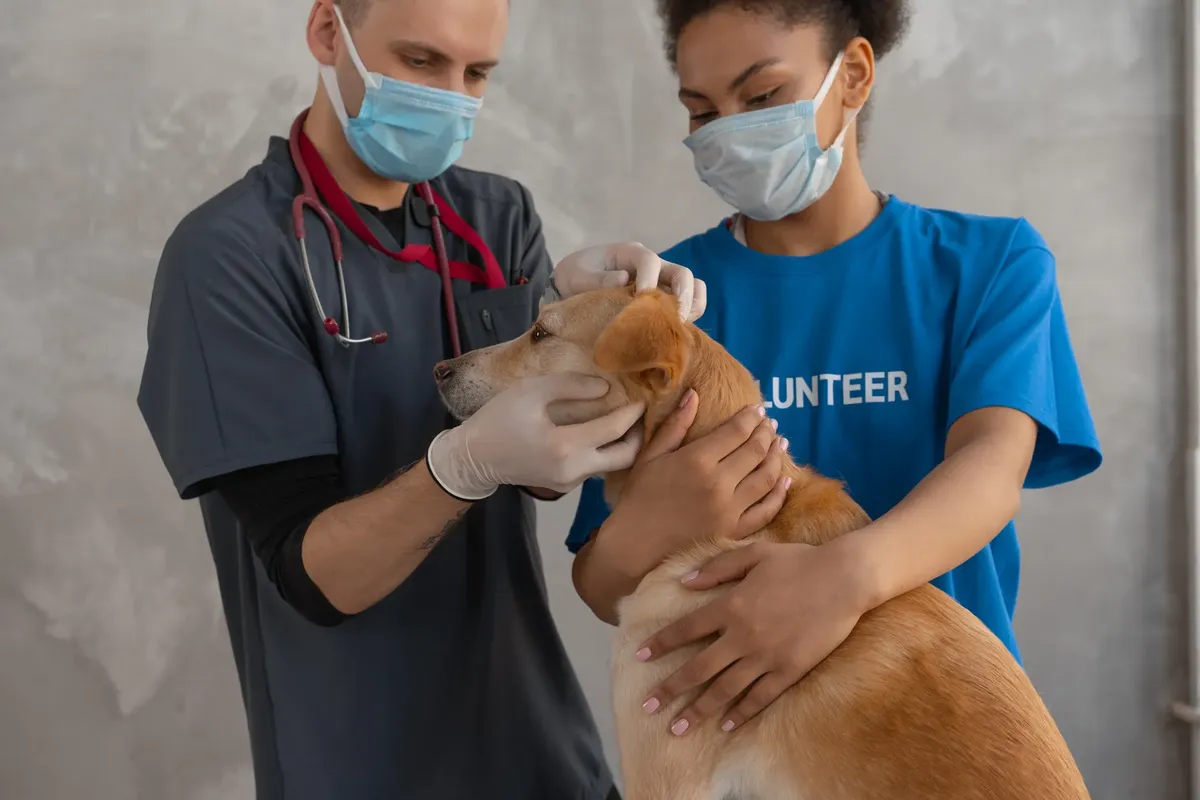
Such gatherings bring together diverse experts to discuss the complexities of biological interconnectedness.
Achieving this balance requires continuous monitoring across all three domains to detect emerging threats early.
What are the roles in zoonotic disease control?
A laboratory technician examines a sample under a microscope, considering the potential for cross-species transmission. This careful work is essential for identifying pathogens that jump from animals to humans.
Effective zoonotic disease control relies on early detection and rapid response across different sectors. When a pathogen emerges in an animal population, the response must include human health officials to prevent an epidemic. This integrated surveillance is a cornerstone of modern public health.
These organizations work to align their efforts toward common health goals.
Effective control involves veterinarians, medical professionals, and environmental scientists working in concert.
How is ecosystem health security maintained?
An environmental scientist monitors soil health in a protected forest, knowing that the ground supports both wildlife and local communities. The stability of this ecosystem is vital for long-term health.
Maintaining ecosystem health security involves protecting biodiversity and managing natural resources sustainably. Healthy ecosystems act as natural buffers, regulating the spread of diseases and providing essential services to humanity.
Protecting these environments is a proactive way to safeguard human health.

The One Health Commission began in 2014 compiling a Who's Who in One Health, a Directory of organizations around the world that are actively working to further the One Health paradigm shift. This effort helps identify the key players necessary for maintaining global stability.
Maintaining security requires preserving biodiversity and managing land use to prevent habitat fragmentation.
How does public health collaboration work in practice?
A group of professionals from different departments meets in a conference room to discuss a recent outbreak. Their diverse backgrounds allow them to see the full scope of the issue.
Public health collaboration involves breaking down professional barriers to share knowledge and resources. This includes training facilitators to lead workshops and managing logistics for large-scale health interventions. It is about building a network of experts ready to act in unison.
The CDC One Health Office hosts webinars to educate audiences about One Health issues such as food safety, antimicrobial resistance, and recent disease outbreaks. These educational tools help bridge the gap between specialized knowledge and public awareness.
- Establish shared data platforms between agencies.
- Conduct joint field investigations during outbreaks.
- Develop unified communication strategies for the public.
What are the steps for implementing a One Health approach?
A coordinator organizes a multi-agency task force, preparing folders filled with data from various sectors. This structured preparation is necessary for any coordinated response.
To implement this approach effectively, organizations follow structured processes:
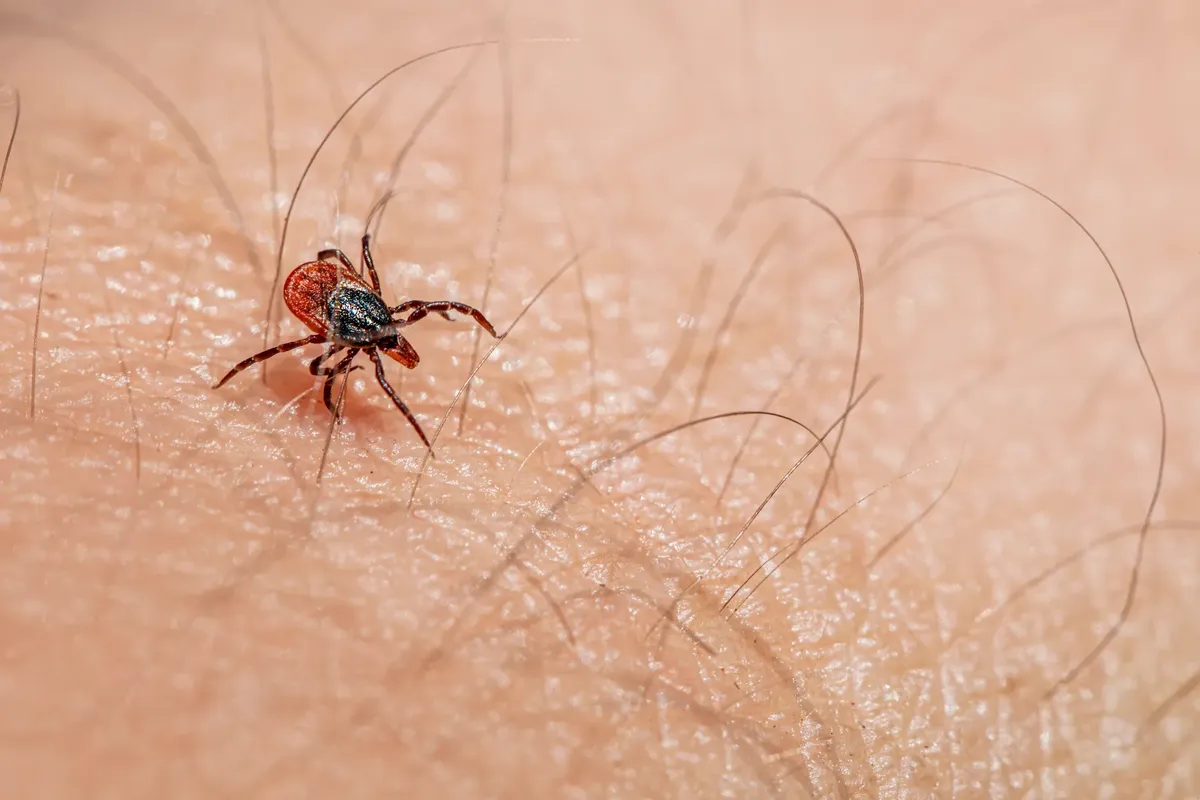
- Identify the specific health threat and the sectors involved in its management. 2. Coordinate data sharing and resource allocation among human, animal, and environmental experts. 3. Execute a unified response plan that addresses the root cause within the ecosystem.
A final check ensures that all stakeholders are aligned with the strategic objectives before moving to the execution phase. I once observed a meeting where these steps were discussed to ensure no sector was left behind.
| Strategy Component | Primary Focus |
|---|---|
| Surveillance | Early detection of cross-species threats |
| Collaboration | Interdisciplinary resource sharing |
In this sequence, the first step is the most critical.
This part also covers OHITF approach explained.
This part also covers Interconnected health systems.
This part also covers Preventing cross species spread.
OHITF approach explained
Related






Comments 0