Novartis animal health research: Why settlements are key
"The intersection of global pharmaceutical strategy and intellectual property defines the landscape of modern medicine."
Global pharmaceutical companies drive medical advancements through complex patent strategies and strategic acquisitions. This article examines how these entities manage intellectual property and expand their research capabilities to address global health needs.
Key takeaways include the importance of international trademark filings, the impact of regulatory oversight on marketing, and the strategic use of acquisitions to bolster therapeutic research.
How does Novartis animal health research shape global markets?
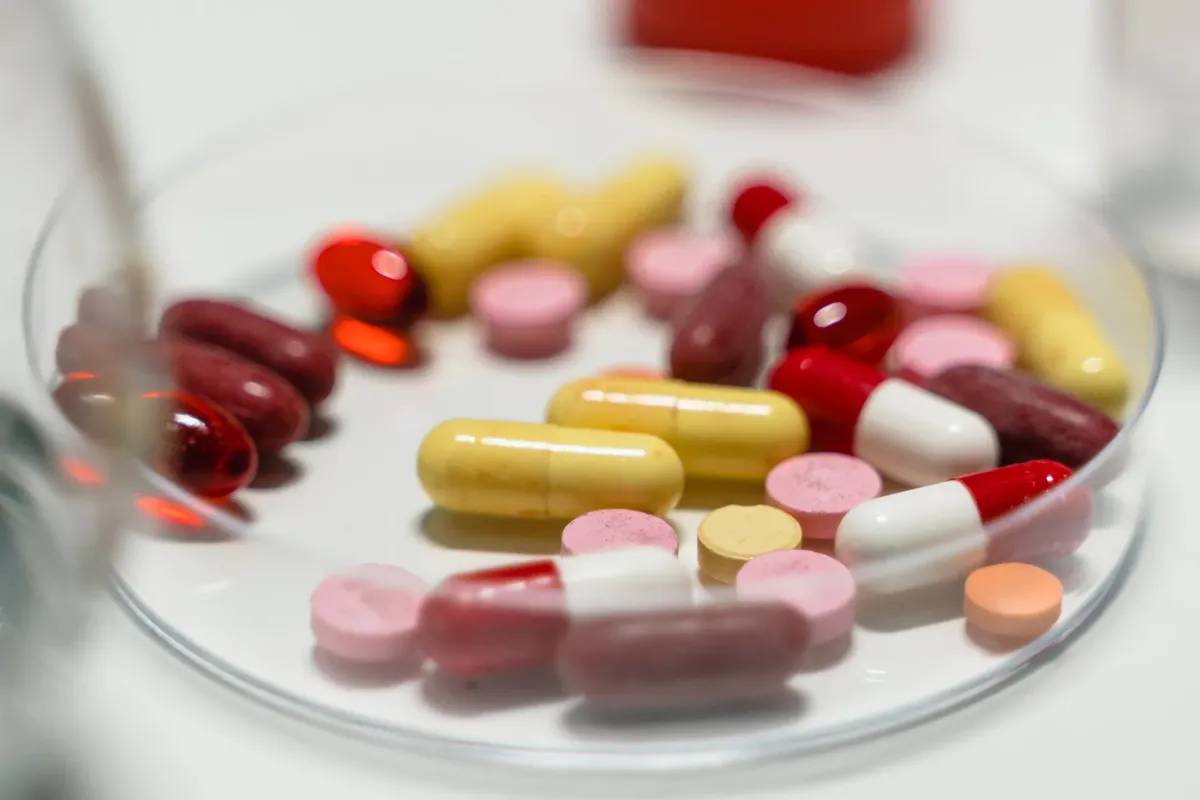
A researcher sits in a quiet laboratory in Basel, reviewing a digital stack of trademark filings. The process of protecting innovation requires navigating international legal frameworks to ensure that new discoveries reach the global market.
According to the World Intellectual Property Organization (WIPO) in its 2023 Madrid Yearly Review, Novartis ranked 4th in the world for the number of marks applications filed under the Madrid System, with 110 trademark applications submitted during 2023.
This level of activity reflects a massive effort to secure intellectual property across different jurisdictions.
Pharma tech animal health advancements often stem from such robust legal protections. Protecting a brand name or a specific chemical formula allows companies to reinvest in further research. By establishing these rights globally, companies can manage the distribution of medicines more effectively.
The scale of these filings shows a commitment to maintaining a presence in diverse markets. This helps ensure that specialized treatments are recognized and protected where they are most needed.
What role does drug development global health play in international law?
In the dim light of the archive, a lawyer sighs as they grip a dusty novartis file from years ago.
A legal expert reviews a dusty file from 1998, noting the shift in international trade regulations. The relationship between local patent laws and global trade agreements often creates complex legal landscapes for pharmaceutical companies.
In 1998, Novartis filed a patent application in India following the country's agreement to join the World Trade Organization and adhere to worldwide intellectual property standards under the TRIPS agreement.

This specific filing became a central point in legal discussions regarding how international standards apply to local markets.
Drug development global health strategies must account for these shifting legal tides. When countries join international trade organizations, they often change how they handle pharmaceutical patents. Companies must adapt their filing strategies to meet these new, standardized requirements.
Navigating these changes is a constant part of managing a global portfolio. It requires a deep understanding of how international treaties influence local pharmaceutical availability.
How does Biotech public health role involve regulatory oversight?
An inspector examines a marketing brochure, comparing the written claims to clinical data. Regulatory bodies maintain constant oversight to ensure that pharmaceutical advertising remains truthful and transparent.
In September 2008, the US Food and Drug Administration (FDA) sent a notice to Novartis Pharmaceuticals regarding the advertising of Focalin XR, an ADHD drug. The company had overstated the efficacy of the medication while marketing it to both the public and medical professionals.
Biotech public health roles are heavily influenced by these types of regulatory interventions. When marketing materials misrepresent the strength or effectiveness of a drug, it can impact patient trust and medical decision-making. Agencies like the FDA act as a check against such inaccuracies.
Maintaining compliance is essential for any company operating in the healthcare sector. Overstating efficacy can lead to significant regulatory scrutiny and legal challenges.
How do modern medicine animal care strategies involve legal settlements?

A corporate lawyer reviews a settlement agreement, ensuring all historical investigations are officially closed. Resolving past legal issues is a necessary step for companies to move forward with new research and development initiatives.
In June 2020, Novartis reached settlements with the US Department of Justice (DOJ) and the US Securities and Exchange Commission (SEC). These agreements resolved all Foreign Corrupt Practices Act (FCPA) investigations into historical conduct by the company and its subsidiaries.
Modern medicine animal care and human health research both require a clean legal standing to operate effectively. Settlements allow companies to resolve historical disputes and focus on future therapeutic goals.
These agreements often involve significant financial and procedural changes to ensure future compliance.
The resolution of these investigations provides a path toward stabilizing corporate operations. It allows the focus to shift back to scientific innovation and market expansion.
How do global pharma contribution efforts involve strategic acquisitions?
An executive looks at a spreadsheet of potential merger targets, weighing the value of specialized biotechnology firms. Companies often use acquisitions to rapidly expand their research capabilities and enter new therapeutic areas.
In 2009, Novartis reached an agreement to acquire an 85 percent stake in the Chinese vaccines company Zhejiang Tianyuan Bio-Pharmaceutical Co., Ltd. This move allowed the company to strengthen its presence in the vaccine market within a major global economy.
Global pharma contribution to health is often accelerated through these types of strategic investments. By acquiring stakes in specialized companies, larger firms can gain access to cutting-edge technology and localized expertise. This can lead to faster development of essential medicines.
| Acquisition Type | Example Detail |
|---|---|
| Vaccine Stake | 85 percent in Zhejiang Tianyuan |
| Consumer Healthcare | 36.5 percent stake in JV |

I observed how these strategic moves can fundamentally change a company's research trajectory.
A limitation of these strategies is that they are subject to the specific economic conditions and regulatory environments of the countries where the companies operate.
- How does Novartis animal health research shape global markets?
- What role does drug development global health play in international law?
- How does Biotech public health role involve regulatory oversight?
The subject here is Novartis animal health research.
The same subject is also called Novartis Basel research.
This part also covers Disease research advances.
Related
- Mustela nigripes reintroduction: 90% diet dependency guide
- Breed policy: NCRC AVMA breed policy, 83% identify
Disclaimer: This article is general information, not medical advice. Consult a qualified healthcare professional before taking any supplement or medication.








Comments 0