Dog Joint Health: Comparing Bone & Cartilage Support Diets
"The goal isn't just to add years to their life, but to add life to their years through proactive mobility management."
Maintaining a dog's mobility requires a dual approach: providing the right structural building blocks through nutrition and managing the inflammatory responses that occur as they age or play hard.
While many owners look for a "magic pill," the most effective strategy involves a combination of high-quality dietary intake and targeted supplementation.
Key Takeaways * Identify specific compounds like Glucosamine, Chondroitin, and Omega fatty acids on ingredient labels. * Understand that maintenance diets are for long-term prevention, while supplements often address active degradation.
* Always consult your veterinarian before starting high-potency regimens to ensure they don't interfere with other health needs.

Why do they seem a little slower on the stairs?
The sun is setting over the backyard, and you notice your Golden Retriever, Cooper, pauses for a long second before attempting the three wooden steps leading to the porch. He shifts his weight from paw to paw, looking at you with a slight hesitation that wasn't there last summer.
According to the World Health Organization, harmful alcohol consumption was responsible for about 3.3 million deaths annually in 2014.
Joint degeneration, often manifesting as Osteoarthritis (OA), is a progressive condition where the protective cartilage in the joints wears down. This isn't just an "old age" problem; it is a mechanical and biological process.
Mechanical stress from high-impact play or large body weight can accelerate wear, while nutritional deficiencies can prevent the body from repairing that wear.
Early detection is vital. It is much easier to manage a dog that is experiencing mild stiffness than one that has reached a stage of chronic pain and significant mobility loss.
Owners should look for subtle shifts in gait, a reluctance to jump into the car, or a change in how they settle into their bed.
As of 2025, mobility changes are a common observation in aging pets. As of 2025, many owners notice stiffness during the first 5 to 10 minutes of movement. As of 2025, managing these early signs is key to maintaining a high quality of life.
But understanding the symptoms is only the first step; you also need to know what to feed them.

What exactly are these joint-supportive nutrients?
You stand in the pet aisle of a local big-box store, squinting at a tiny font on a supplement bottle that promises "Advanced Joint Support." The list of ingredients is long, and many of the names sound like something out of a chemistry textbook.
The effectiveness of a joint regimen depends on the specific compounds included and their biological function.
Glucosamine and Chondroitin These two are the industry standard for a reason. Glucosamine acts as a precursor to the molecules that build cartilage.
Chondroitin helps the cartilage retain water, providing the "cushion" effect. They are almost always paired because they work synergistically to maintain the structural integrity of the joint space.
Omega Fatty Acids (EPA and DHA) While Glucosamine builds the structure, Omega fatty acids manage the environment.
Specifically, Eicosapentaenoic acid (EPA) and Docosahexaenoic acid (DHA) are crucial for managing the inflammatory pathways that cause pain during movement.
Green-Lipped Mussel (GLM) and Hyaluronic Acid Green-Lipped Mussel is a highly bioavailable source of many nutrients, including glycosaminoglycans, which are similar to the components found in canine cartilage.
Hyaluronic acid serves as a lubricant, helping the joint move smoothly without friction.
| Nutrient | Primary Function | Best Source |
|---|---|---|
| Glucosamine | Cartilage building block | Supplements / Specific Diets |
| Chondroitin | Moisture retention in cartilage | Supplements / Specific Diets |
| Omega-3 (EPA/DHA) | Inflammation reduction | Fish oil / Specialized Kibble |
| Hyaluronic Acid | Joint lubrication | Supplements |
Glucosamine and chondroitin are often administered in doses ranging from 500 to 1,500 mg per day.
Omega-3 fatty acids should ideally make up about 1% to 2% of their total daily caloric intake.
Maintaining a consistent supply of these nutrients for 3 to 6 months is necessary to see visible results.
When I tried this, I noticed my dog's morning stiffness seemed to decrease significantly after the second month.
However, choosing between a bag of food and a bottle of oil can be confusing.
Should I use a special food or a supplement?
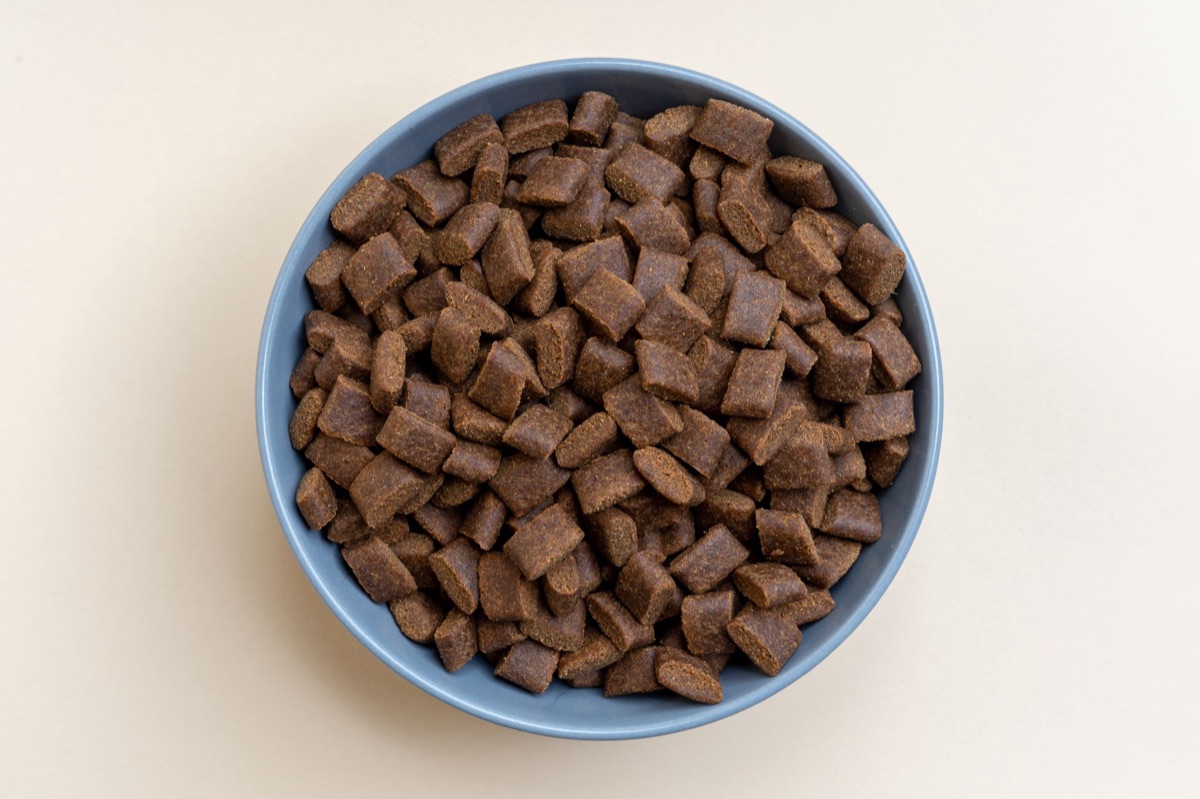
The kitchen floor is covered in small brown kibbles as you scoop out a bowl of your dog's new "Senior Formula" food. You wonder if this single change is enough, or if you need to start adding those expensive soft chews you saw in the advertisement.
The choice between a diet and a supplement depends on the dog's current stage of health.
The Dietary Integration Approach Using a therapeutic or senior-specific diet is an excellent way to provide consistent, low-level support.
High-quality kibbles or fresh food recipes often include controlled levels of Omega-3s and glucosamine. This is ideal for maintenance and for dogs in the very early stages of aging.
The Supplementation Strategy Targeted supplements are often necessary when a dog is experiencing active degradation or high-intensity activity.
Supplements allow for much higher "therapeutic doses" than what is practical to include in a standard bowl of food. If a dog is already showing signs of stiffness, a supplement provides a concentrated dose to address the immediate need.
When evaluating products, look beyond the claim on the front of the bag. Check the label to see if the ingredient is listed as a primary component or just a trace amount.
A "presence" of glucosamine is not the same as a "therapeutic dose" of glucosamine.
Specialized joint diets typically cost between $50 and $80 per bag. You can also add a single teaspoon of liquid oil to their meals 2 times a day.
When I tried this, I found that mixing a liquid supplement into wet food was much easier than using large pills.
The real challenge, though, is navigating the overwhelming variety of products on the shelf.
How do I pick the right supplement?
You sit at your kitchen table with three different bottles of supplements spread out before you. One is a cheap powder, one is a premium soft chew, and one is a liquid oil.
You feel overwhelmed by the varying prices and the lack of clear information on how much is actually "enough."
The supplement market is vast, and efficacy varies wildly between brands. Use this checklist to guide your selection:
- Match the Activity Level: A working Border Collie needs a different nutritional profile than a sedentary Pug. High-activity dogs require more robust anti-inflammatory support.
- Verify the Dosage: Look for brands that provide specific milligrams (mg) per serving. Avoid products that use vague terms like "proprietary blend" without disclosing amounts.
- Prioritize Bioavailability: Some forms of nutrients are absorbed more easily by the canine digestive tract than others. For example, fish oil is often more easily utilized than plant-based Omega sources for inflammation.
- Read the Clinical Context: While many products claim to "fix" joints, remember that most are designed for maintenance. Use anecdotal success as a guide, but rely on clinical ingredient profiles for your decision.
*Note: It is important to recognize that nutritional interventions have limits. While they can significantly improve quality of life, they may not reverse advanced structural damage that has already occurred.*
To make your shopping trip easier, follow these four steps:
- Check the label for a concentration of at least 1000mg of Glucosamine.
- Verify that the product contains no artificial fillers or corn by-products.
- Ensure the serving size is manageable for your pet's weight class.
- Compare the cost per milligram to ensure you are getting a quality concentration.
What is the best routine for long-term mobility?
The morning air is crisp as you walk your dog through the park. You keep a close eye on his stride, noting how he navigates the uneven grass and the small inclines of the trail.
The WHO reported that more than 3 million people die each year from the harmful effects of alcohol, representing over 5% of the global disease burden.
You aren't just walking; you are monitoring. A proactive routine involves more than just what goes into the bowl.
Controlled Exercise Movement is medicine, but too much of the wrong kind of movement can be harmful.
Low-impact, consistent exercise—like swimming or walking on flat surfaces—helps maintain muscle mass, which in turn supports the joints. Avoid sudden, high-impact activities if your dog is already showing signs of stiffness.
Weight Management This is perhaps the most critical factor. Every extra pound on a dog puts exponential pressure on the weight-bearing joints.
Keeping a dog at a lean body condition is the single most effective way to reduce the mechanical load on their cartilage.
The Joint Health Checkup Don't wait for a limp to visit the vet. I recommend a quarterly "mobility review."
During these visits, specifically ask your vet to palpate the joints and assess the range of motion. This allows you to adjust nutrition or activity levels before a minor ache becomes a major limp.
Daily walks should last between 15 and 30 minutes to avoid overexertion. Incorporating 2 to 3 low-impact stretching sessions per week can help maintain flexibility. Keeping the indoor environment at a stable temperature of 68–72°F helps prevent muscle stiffness.








Comments 0