Cat Weight Management: Preserve Mobility & Health Now
"The weight on the scale is more than just a number; it is a direct reflection of your cat's metabolic health and long-term mobility."
Managing a cat's weight is not about restriction for the sake of appearance, but about preventing systemic disease and preserving quality of life. A successful strategy requires a synchronized approach involving precise caloric control, increased physical activity, and consistent medical monitoring.
Key Takeaways * Weight management must be holistic, combining dietary changes with environmental enrichment and activity. * Early detection through Body Condition Scoring (BCS) is essential for preventing irreversible metabolic damage.
* Dietary interventions, including specific caloric adjustments, are the cornerstone of weight loss. * Any significant weight fluctuation or sudden change in health requires immediate professional veterinary consultation.

What Are the Warning Signs That My Cat Needs Weight Management?
The kitchen light flickers on at 5:00 AM as a heavy weight thumps against your bedroom door, followed by the insistent, rhythmic scratching of claws against the wood.
You reach out to pet your companion, but instead of the familiar, slender spine, your fingers sink into a soft, thick layer of padding along the ribs.
The first step in weight management is recognizing that "chunky" is not a personality trait, but a clinical indicator. You can assess your cat using Body Condition Scoring (BCS), which looks at the visibility of the ribs and the presence of a waist tuck when viewed from above.
If you cannot feel the ribs without applying pressure, or if the abdomen appears rounded rather than tapered, your cat is likely overweight.
Beyond physical touch, watch for shifts in behavior. A sudden preference for napping in the sunniest, most accessible corner of the room instead of jumping onto the high perch might signal lethargy.
Increased panting or labored breathing during minor movements can also indicate that the body is struggling under its own mass. Establishing a baseline weight during a routine checkup is the most reliable way to start this journey.

How Does Obesity Impact a Cat’s Health?
The sunlight streams through the window, illuminating the dust motes dancing around a cat that struggles to leap from the sofa to the rug. There is a heavy, labored sound to their breathing, a soft huffing that seems slightly out of sync with their calm demeanor.
According to the American journal of veterinary research, lean mass decreased significantly at weeks 12 and 16.
Obesity acts as a constant physiological stressor that affects nearly every organ system. It is not merely extra weight; it is active metabolic dysfunction. Excess adipose tissue contributes to systemic inflammation and places immense pressure on the skeletal structure.
The physical dimensions of a cat's internal organs are deeply tied to their size. According to the *Journal of Veterinary Internal Medicine* (2016), all echocardiographic dimensions—the measurements of the heart's chambers and walls—increase in proportion to body weight (all P<0.001).
This means an obese cat’s heart is often working harder and under greater structural strain just to maintain basic circulation. This increased strain, combined with the inflammatory nature of fat tissue, significantly raises the risk for diabetes, arthritis, and cardiovascular complications.
Building a Tailored Weight Loss Strategy: Diet & Nutrition
The measuring scoop sits on the kitchen counter, filled with a precise amount of kibble that looks deceptively small. You watch as the cat sniffs the bowl, eyes fixed on the portion, waiting for the usual "free feeding" refill that never comes.
The most common cause of feline obesity is "free feeding"—leaving a bowl of dry food out all day. To manage weight, you must transition to scheduled, measured meals.
This allows you to control the exact caloric intake and ensures the cat is actually using energy rather than constantly processing incoming fuel.
Dietary quality is just as important as quantity. High-quality proteins help maintain muscle, while appropriate fiber levels can help the cat feel full (satiety) despite a lower caloric intake. Emerging research is also looking at metabolic timing.
A study published in *EBioMedicine* (2025) noted that intermittent fasting paired with a hypercaloric diet could effectively mitigate weight gain and improve metabolic markers like glucose, insulin, and cholesterol (p < 0.05), showing results comparable to a standard dietary switch.
| Feature | Free Feeding (Risk) | Controlled Feeding (Strategy) |
|---|---|---|
| Caloric Intake | Unpredictable and often excessive | Precise and calorie-restricted |
| Metabolic Rhythm | Constant insulin spikes | Regulated energy use |
| Satiety Management | Poor; constant hunger cues | Better; controlled via fiber/protein |
| Monitoring | Difficult to track consumption | Easy to track exact intake |
Monitoring Progress: Tracking Success and Adjusting Course
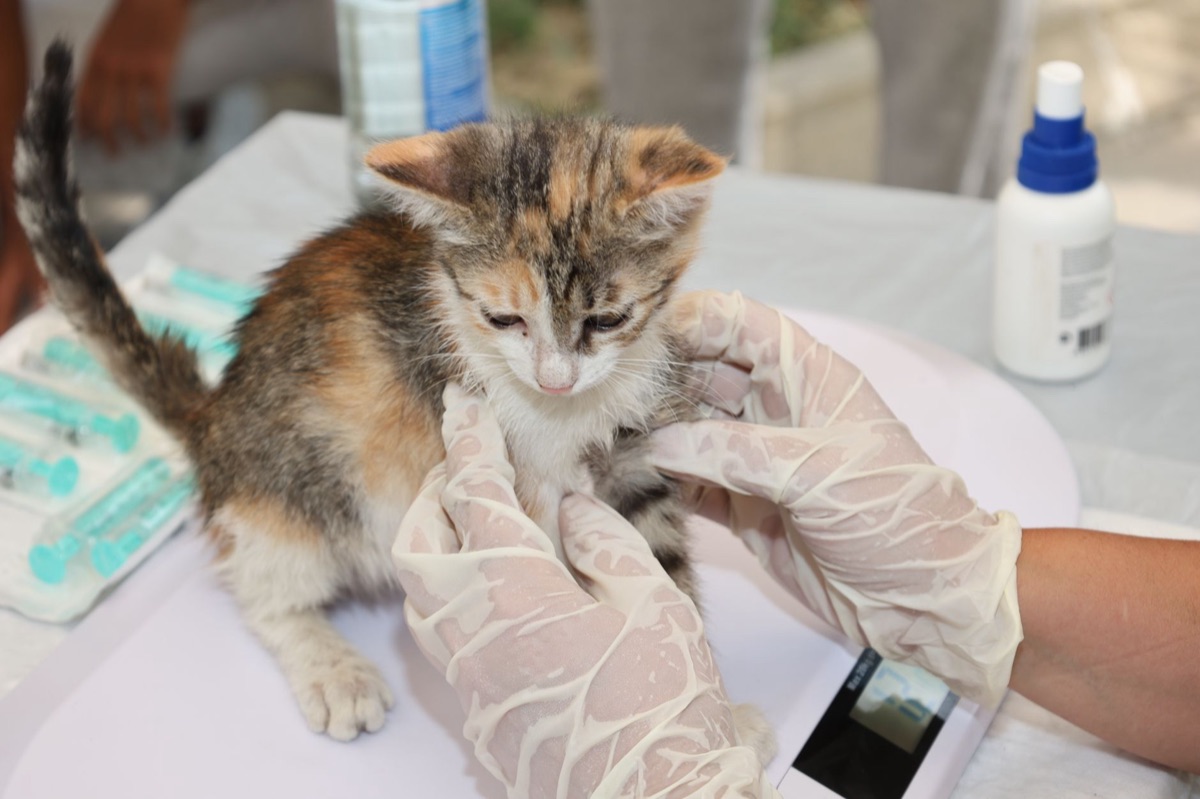
You stand on the bathroom scale, holding your cat securely against your chest as the digital numbers flicker and settle. It is a slow process, measuring the weight of a small, wiggly creature, but it is the only way to see if the plan is working.
According to the Journal of feline medicine and surgery, the average weekly weight-loss rate was 0.694% in the technology group.
Weight loss must be gradual to be safe. Losing weight too quickly can lead to dangerous complications, including hepatic lipidosis (fatty liver disease). The goal is a sustainable, steady decline.
Research in the *Journal of Feline Medicine and Surgery* (2022) found that the average weekly weight-loss rate (as a percentage of initial body weight) was 0.694% in technology-assisted groups, which was significantly higher than the 0.175% seen in traditional groups (P = 0.036).
It is vital to remember that the scale does not tell the whole story. You must monitor body composition. There is a risk that as a cat loses weight, they may also lose muscle.
The *American Journal of Veterinary Research* (2018) reported that lean mass decreased significantly at weeks 12 and 16 in certain weight-loss observations.
This makes professional veterinary oversight mandatory; a vet can help ensure your cat is losing fat, not the vital muscle needed for mobility.
Step-by-Step Weight Management Protocol 1. Consult your veterinarian to rule out underlying medical causes (like hyperthyroidism). 2. Establish a baseline weight and Body Condition Score (BCS). 3. Switch from free feeding to scheduled meals using a kitchen scale for precision. 4.
Increase environmental enrichment (e.g., food puzzles, vertical climbing spaces) to encourage movement. 5. Weigh your cat weekly and keep a written log of weight and activity levels. 6. Review progress with your vet every 4 weeks to adjust caloric intake.
When to Seek Immediate Veterinary Advice
The sudden silence in the house is unnerving. You walk into the living room and find your cat hunched in a corner, breathing rapidly with an open mouth, their eyes wide and searching. This is not the lethargy of a heavy cat; this is an acute distress signal.
While weight management is a long-term marathon, some symptoms require a sprint to the emergency clinic. If you notice sudden vomiting, extreme lethargy, or a total refusal to eat, do not wait for the next scheduled weigh-in.
Furthermore, weight changes are often symptoms of other issues. Rapid weight gain might point to hypothyroidism (though rarer in cats than dogs), while sudden, unexplained weight loss is a major red flag for hyperthyroidism, kidney disease, or cancer.
Use your weight management journey as a diagnostic tool: if the weight isn't moving as expected, or if it moves too fast, your cat's internal chemistry may be shifting in ways that only a blood test and professional medical evaluation can uncover.
Disclaimer: *This article is for informational purposes only and does not constitute medical advice, diagnosis, or treatment. Always seek the advice of a veterinarian with any questions regarding a medical condition or weight management plan for your pet.
If you suspect an emergency, contact your local veterinary clinic or an emergency animal hospital immediately.*








Comments 0