Pet Welfare: How 77% Public Support Changed Animal Laws
As global standards for animal welfare evolve, understanding the legacy of major non-profit initiatives reveals the roadmap for ethical pet ownership in the modern era.
* Global non-profits have shifted focus from mere rescue to systemic legislative change and import regulations. * Ethical pet ownership is increasingly defined by international health standards and the prevention of animal exploitation. * The legacy of organizations like HSUS demonstrates that public support is a primary driver for animal rights legislation. * Responsible ownership requires understanding the intersection of legal protections and veterinary health standards.

How have global non-profits shaped modern animal welfare since 2001?
A group of advocates gathered in a crowded hall, waving printed petitions as they prepared to face a legislative vote that would change the lives of millions of animals. They weren't just looking for food or blankets; they were looking for laws that would prevent suffering before it even began.
Since the turn of the millennium, the mission of global non-profit organizations has undergone a fundamental transformation. Rather than focusing solely on the immediate crisis of local sheltering, organizations have moved toward global legislative advocacy.
This shift ensures that welfare is baked into the law rather than being a matter of individual whim.
The role of public support has become the most powerful tool in the legislative toolkit. For instance, in 2016, the HSUS led a campaign to enact the Massachusetts Conditions for Farm Animals Initiative.
This movement, which focused on banning the use of small cages to raise animals in agriculture, received 77.7% of public support. Such overwhelming community backing demonstrated that welfare is no longer a niche interest but a mainstream priority.
These historical successes set the stage for current ethical standards. When laws change, the baseline for what is considered "humane" shifts for everyone.
Transparency in these movements is also critical; as these organizations grow, their ability to maintain public trust through clear reporting becomes as important as the laws they pass.
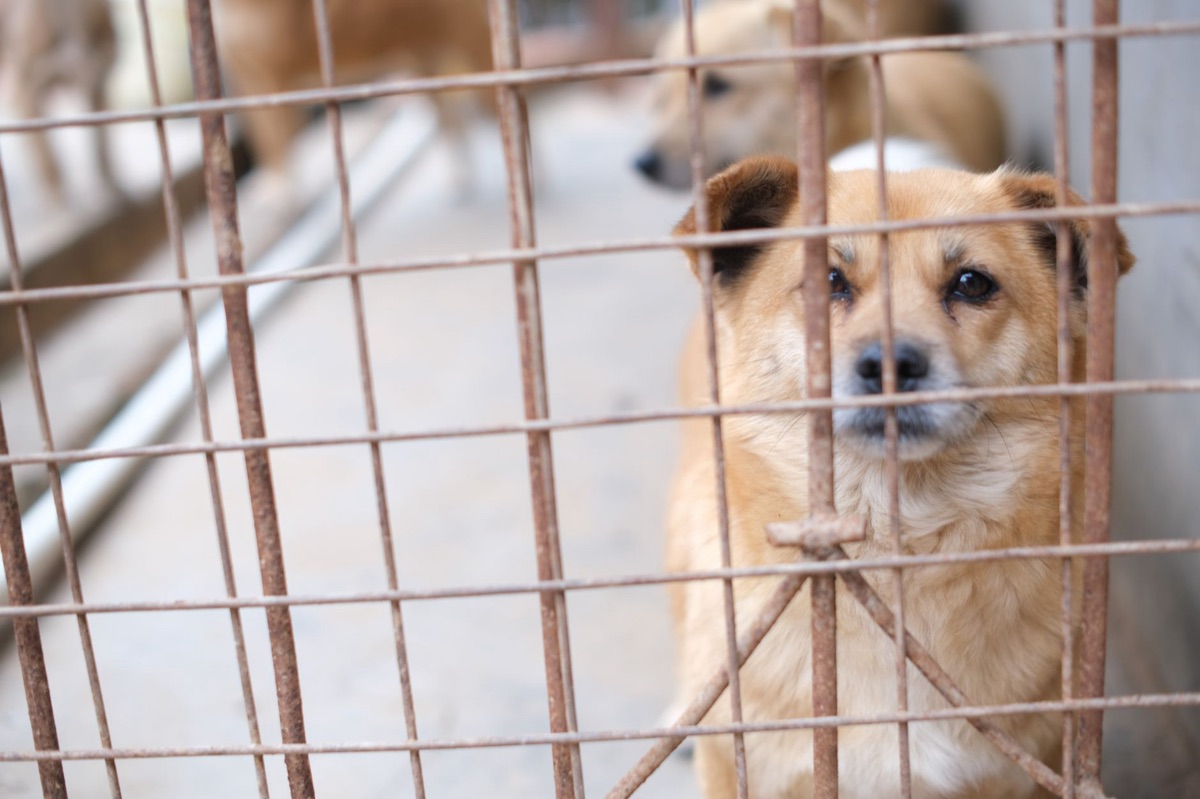
What are the key legislative victories in animal welfare history?
A legislator sits at a mahogany desk, looking over a document that outlines the living conditions for animals within state borders, knowing that a single signature can end generations of restrictive practices.
The history of animal welfare is marked by battles over the environment in which animals live. One of the most significant shifts occurred when the focus moved from individual rescue to the banning of restrictive environments.
The 2016 Massachusetts Conditions for Farm Animals Initiative stands as a landmark victory in this regard.
By targeting the use of small cages in agricultural settings, the initiative addressed the systemic issue of confinement. The 77.7% public support recorded for this initiative highlighted a growing consensus: the environment is a primary component of welfare.
These legislative shifts influence how we perceive living conditions for all domestic animals, reinforcing the idea that space and freedom of movement are fundamental rights.
| Legislative Focus | Primary Goal | Impact on Welfare Standards | | :---s/t/| :--- | :--- | | Local Sheltering | Immediate crisis management | High-intensity, individual-focused | | Legislative Advocacy | Systemic/Policy change | Broad-scale, preventative-focused | | Import Regulations | Biosecurity and health safety | Protection of domestic populations |
How do international import rules protect domestic pet health?
A customs officer inspects a travel crate at an international airport, checking documentation to ensure that the living creature inside meets strict health and age requirements before crossing the border.
The movement of animals across borders presents significant risks to domestic pet health, which is why global-scale-influenced rules are so vital.
The HSUS led efforts to secure the adoption of a United States Department of Agriculture (USDA) rule designed to regulate the importation of dogs from foreign countries.
These regulations were created to prohibit the importation of dogs for resale unless the animals met specific criteria: they had to be in good health, vaccinated, and at least 6 months old.
Without these rules, the risk of disease-carrying animals entering the domestic population would be significantly higher.
These requirements serve two purposes: they protect the biosecurity of local pet populations and prevent the illegal trafficking of animals.
By ensuring that every imported pet meets a baseline of health and age, the law prevents the spread of foreign diseases and ensures that animals arriving in the U.S. are physically prepared for their new environments.
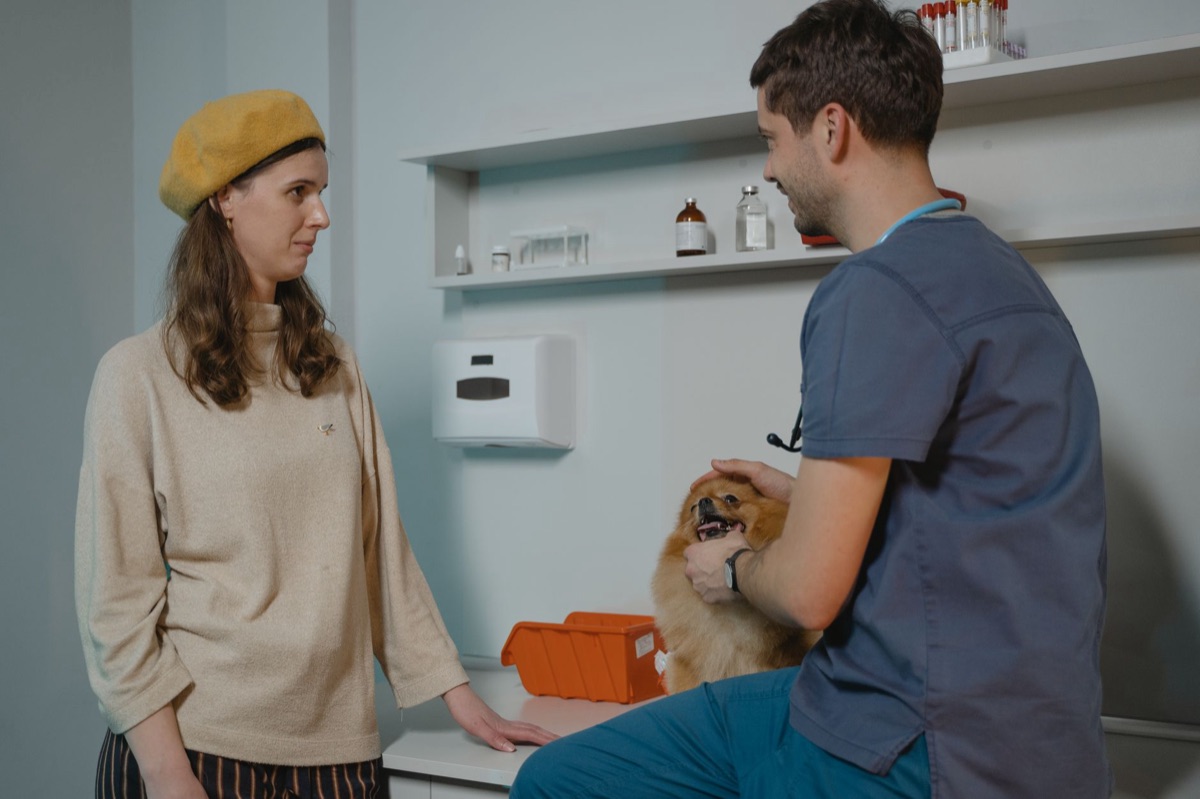
What can we learn from the financial transparency of welfare organizations?
A donor sits in a quiet study, reviewing an annual report from a non-profit to see exactly how their contribution was utilized to protect animals in need.
Understanding the impact of welfare work requires looking closely at the numbers. Financial accountability is the backbone of public trust, especially when organizations manage millions of dollars in contributions.
In the study of historical data, the distribution of contributions can vary. For example, in 2006 and 2005, the numbers for HSUS were more positive, with 7.27% and 19.99% of contributions going to the organization respectively.
Such fluctuations highlight why it is important for supporters to track how funds are allocated over time.
Furthermore, the concept of an "average return" is often used in reporting to show the efficiency of charitable work. In one report, the average return for charities was recorded at yk39.5%.
For the individual supporter, understanding these metrics is vital for evaluating whether an organization is meeting its mission through effective management or if funds are being diverted from the core cause.
How do these global efforts translate to individual pet ownership?
A person walks through a local park with a healthy, vibrant dog, realizing that the protections they enjoy today were built by the legal battles of advocates years ago.
The transition from being a mere "owner" to a responsible "guardian" is the ultimate goal of global welfare efforts. When we understand the laws that protect animals, we can better apply those standards to our own homes.
The lessons from global-scale health standards—such as mandatory vaccinations and rigorous health checks—directly translate to the care we provide at home.
If the law requires a 6-month-old, vaccinated animal for import, it reinforces the idea that health-based milestones are non-negotiable for responsible pet parenting.
Supporting organizations that focus on systemic change, rather than just crisis management, ensures that the work done today prevents the need for rescues tomorrow. By advocating for better laws, we create a world where the baseline for animal life is elevated for everyone.








Comments 0