Mustela nigripes reintroduction: 90% diet dependency guide
A vast landscape of prairie dog colonies stretches toward the horizon, providing the essential foundation for a small predator's survival.
The successful reintroduction of the black-footed ferret relied on intensive captive breeding and multi-agency coordination to restore wild populations. This effort spanned several decades and multiple countries to ensure the species could once again thrive in its natural habitat.
Key takeaways: * A captive-breeding program led to reintroductions across eight western US states, Canada, and Mexico between 1991 and 2009. * Success involved collaboration between the Fish and Wildlife Service, tribal agencies, and private landowners.

* Population growth in specific areas, such as Wyoming, demonstrated the potential for recovery through targeted management.
How did the USFWS manage the Mustela nigripes reintroduction?
At dawn in the dusty western field, the biologist wipes sweat from her brow while recording notes on the mustela reintroduction efforts.
The United States Fish and Wildlife Service was involved in the captive-breeding program that led to reintroductions.
A biologist stands in a dusty field in the western United States, observing the intricate connections between prey and predator. The original effort to restore the species began with specialized breeding programs designed to bolster dwindling numbers.
According to the United States Fish and Wildlife Service, a captive-breeding program resulted in the reintroduction of the species into eight western US states, Canada, and Mexico from 1991 to 2009. This foundational work established the groundwork for modern wildlife recovery.
The program aimed to create a stable enough population to survive the transition from captivity to the wild.
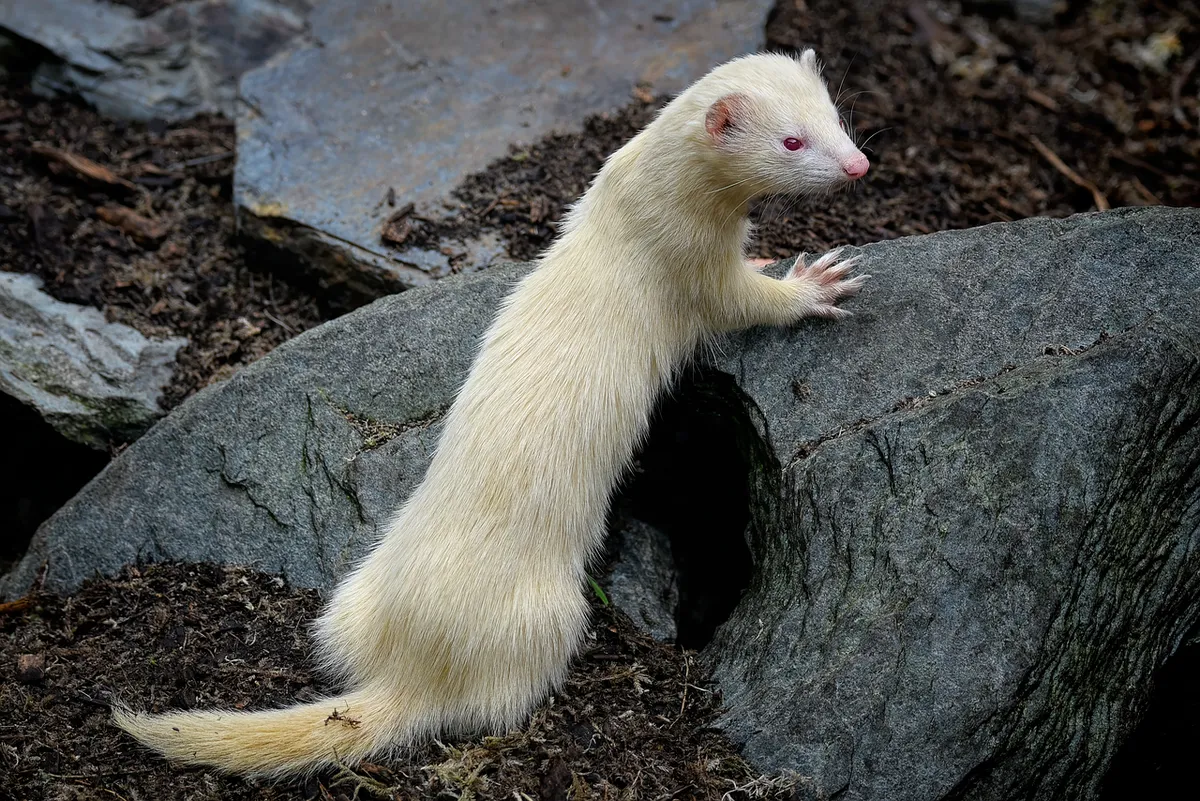
Through these efforts, the Mustela nigripes reintroduction became a multi-national endeavor. It required careful management of genetic diversity and habitat suitability. This period of active reintroduction set the stage for more recent biological breakthroughs.
What caused the Black-footed ferret's success? A researcher checks a data logger near a prairie dog burrow, looking for signs of recent activity. The survival of the ferret depends heavily on the availability of specific prey and suitable underground structures.
The primary driver of the Black-footed ferret success was the availability of adequate prey bases, as up to 90% of their diet is composed of prairie dogs. These animals rely on the burrows created by prairie dogs for shelter and hunting.
Without these colonial rodents, the ferrets would struggle to establish a presence in the wild.
The relationship between the predator and its prey is the core of the ecosystem. While they may use other ground squirrels, the prairie dog remains the essential component. This biological dependency means that habitat management must prioritize the health of the prey.
According to Forest Service, the 2010 record includes 1 million.
How were ferrets brought back to diverse habitats?
In the quiet morning light, the conservationist traces a map with a trembling finger to plan the mustela relocation.
A conservationist looks over a map of North American territories, tracing the paths of different recovery teams. Since the early 1990s, various groups have worked to expand the species' range.
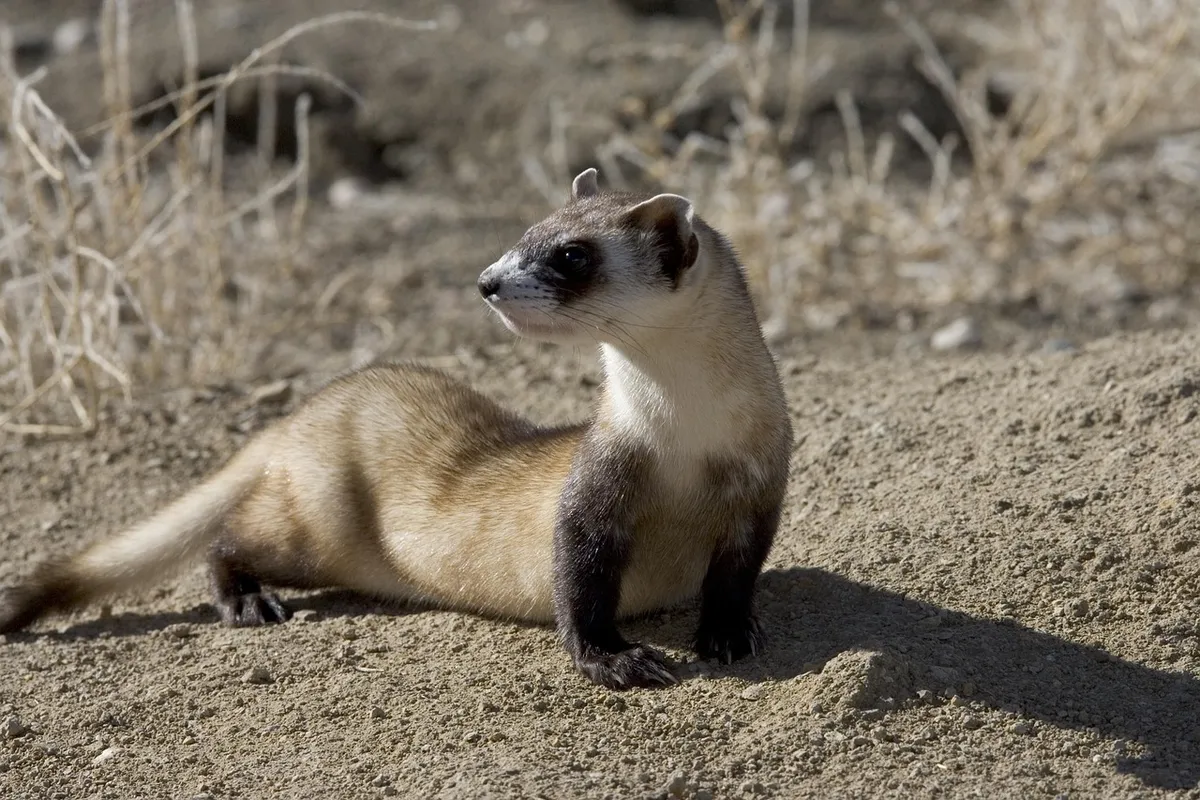
Since 1991, the Fish and Wildlife Service, state and tribal agencies, private landowners, conservation groups, and North American zoos have actively reintroduced ferrets back into the wild. This collaborative approach allowed for a much broader geographic spread than a single agency could manage.
Each partner brought unique resources to the task.
The Ferrets brought back to these regions required careful monitoring to ensure they could adapt to different climates. While they may remain inactive inside burrows for up to 6 days at a time during winter, they remain active hunters when conditions allow.
This flexibility was key to their expansion across different territories.
What does the recovery program show about growth? A scientist examines a report from a study published in a scientific journal, noting the fluctuations in population numbers. Tracking the numbers of individuals in a specific area provides a glimpse into the effectiveness of recovery efforts.
As noted by the Forest Service, the ferret was reintroduced by the USFWS, which according to the tribe promised to pay more than $1 million a year through 2010.
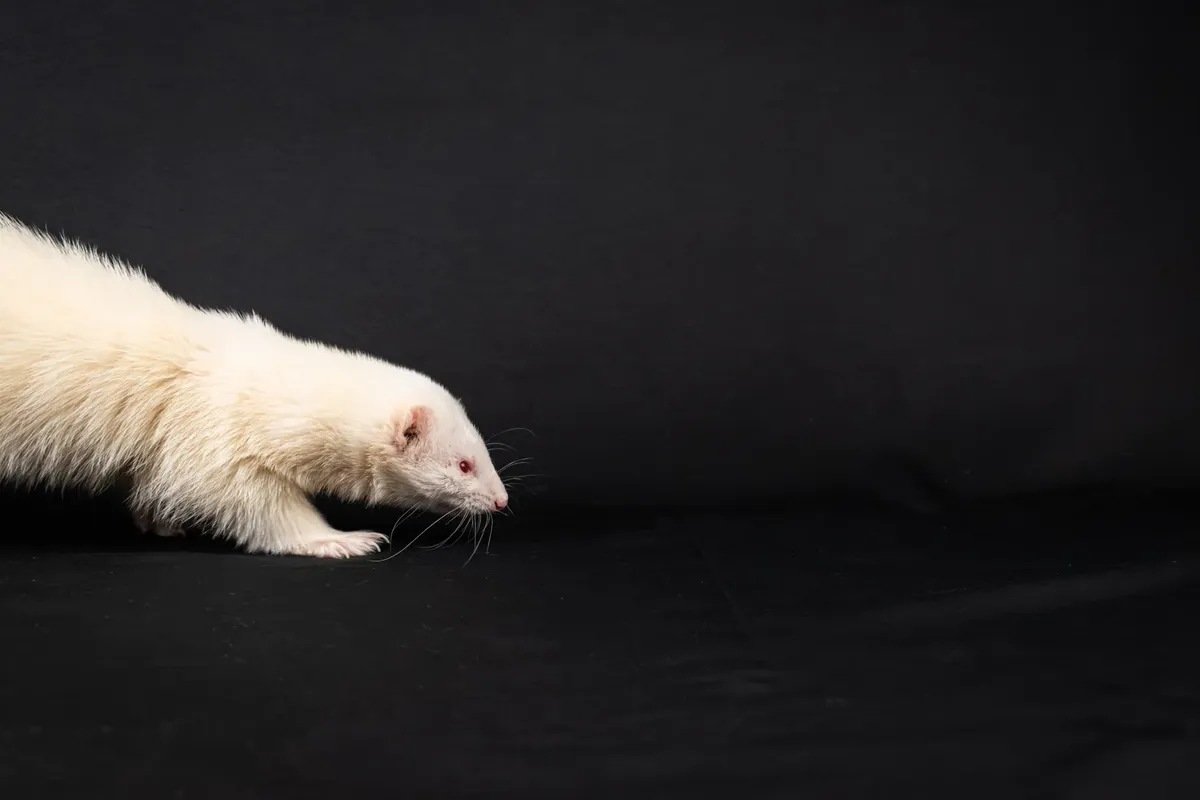
A report in the journal Science in August 2007 counted a population of 223 in one area of Wyoming, noting that the original number of reintroduced ferrets was 228. During the period from 2003 to 2006, an annual growth rate of 35% was estimated.
These figures illustrate the volatile nature of reintroduction efforts.
While the initial number of ferrets was higher, the surviving population in that specific area showed significant growth potential. This demonstrates that even after initial losses, a population can rebound under the right conditions. These trends are vital for planning future releases.
What are the future possibilities for the Black-footed ferret recovery?
A technician prepares a specialized enclosure at a conservation biology institute, preparing for the next generation of animals. Recent advancements in biotechnology have introduced new tools to the conservation toolkit.
The Black-footed ferret recovery has recently entered a new phase involving advanced genetic techniques.
This includes the birth of individuals like Noreen and Antonia, who were cloned from the same genetic material as Elizabeth Ann.
These technological efforts aim to prevent genetic bottlenecks that often plague small, recovering populations. By using cloned individuals, scientists hope to introduce new genetic lines into the wild. This represents a significant shift in how wildlife conservation is approached.
| Metric | Value |
|---|---|
| Wyoming Population (2007) | 223 |
| Annual Growth Rate (2003-2006) | 35% |
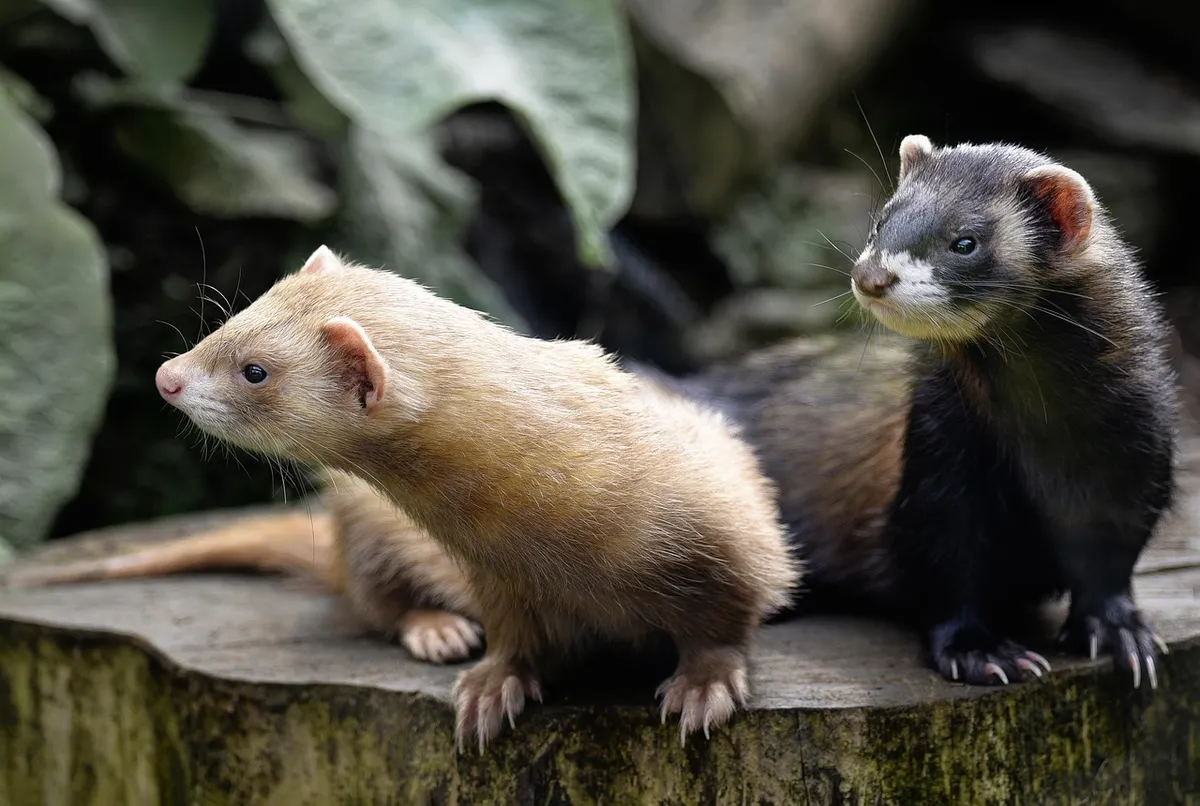
I observed how the specific dietary needs of the ferret required constant monitoring of the prairie dog colonies during my time studying field data.
A limitation of these efforts is that the success of reintroduction is heavily tied to the stability of prairie dog colonies, as they provide both food and shelter.
- How did the USFWS manage the Mustela nigripes reintroduction?
- What drove the Black-footed ferret success in the wild?
- How were ferrets brought back to diverse habitats?
The same subject is also called USFWS recovery program.
The same subject is also called Wildlife conservation effort.
This part also covers Mustela nigripes breeding success.
This part also covers USFWS captive breeding data.
Related






Comments 0