How do toxins in pet food ingredients affect health?
"Since 1993, the FDA has confirmed concerns of toxins in feed grade (animal grade) ingredients, yet to date no comprehensive federal regulation exists on mycotoxin testing in feed grade (animal grade) ingredients used to make pet food."
This analysis explores the complexities of pet food ingredient safety and the regulatory gaps regarding toxins. It focuses on identifying risks in feed-grade ingredients and the health implications of specific dietary patterns.

Key takeaways include the lack of comprehensive mycotoxin testing regulations and the investigation into dietary links to canine heart disease.
How do toxins in pet food ingredients affect health?
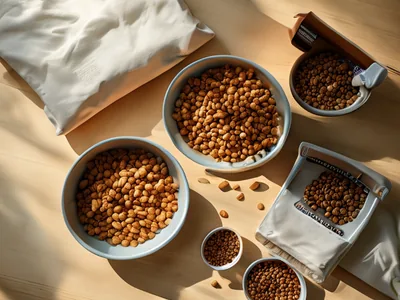
A researcher examines a sample of grain-free pellets under a microscope to search for microscopic contaminants. Identifying a pet food ingredient toxicity study requires understanding how raw materials transition from farm to bowl.
This investigation highlights how specific ingredient choices may impact cardiac health in certain canine populations.
The agency has also requested diet formulations from manufacturers to better understand how ingredient proportions relate to non-hereditary DCM. This pet food toxin research remains critical as scientists work to map the relationship between diet and sudden health shifts.
What are the risks of using feed grade ingredients? pet food ingredient toxicity study
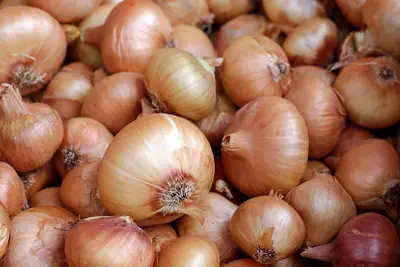
An inspector pulls a bag of raw grain from a supply truck to check for mold. Understanding pet diet ingredient safety involves recognizing the vulnerabilities inherent in industrial-scale sourcing.
Since 1993, the FDA has confirmed concerns regarding toxins in feed grade ingredients. Despite these known risks, no comprehensive federal regulation currently exists for mycotoxin testing in the feed-grade ingredients used to produce pet food.

This lack of oversight means an animal food contaminant study could reveal varied levels of toxin presence across different brands. Without standardized testing, the consistency of ingredient safety remains a variable factor in pet nutrition.
According to WHO, the 2003 record includes 30%.
How do regulatory bodies manage food safety?
A government official reviews a stack of compliance reports in a quiet office. An animal food contaminant study often begins with the framework established by national oversight agencies.
The FDA has confirmed concerns regarding toxins in feed grade ingredients.
According to the State Food and Drug Administration, the Chinese government attempted to consolidate food regulation with the creation of the State Food and Drug Administration in 2003, as officials faced increasing public and international pressure to solve food safety problems.
The Canadian Food Inspection Agency was created in April 1997 by the Canadian Food Inspection Agency Act. Its purpose was to consolidate federal food safety, animal health, and plant health regulatory programs in Canada.
These structural changes reflect global efforts to manage food safety through centralized authority.
What specific health issues have been linked to pet food?
A veterinarian listens to the rhythmic but irregular heartbeat of a dog during a clinical exam. An ingredient safety validation process must account for the specific health outcomes observed in animal populations.

This identification followed investigations into dietary patterns and their potential role in developing serious cardiac conditions.
The investigation into these 16 brands was part of a broader effort to understand the dietary triggers of DCM. This pet health chemical effects research aims to clarify how specific ingredient shifts influence physiological outcomes.
How can pet owners navigate ingredient safety?
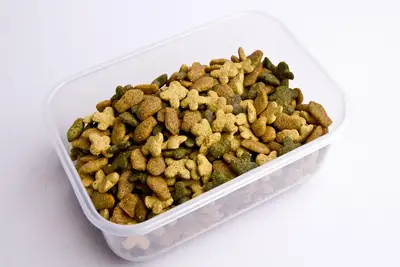
A pet owner reads the fine print on a bag of kibble while standing in a grocery aisle. An ingredient safety validation process requires careful reading of labels and an awareness of current scientific findings.
Owners can follow these steps to manage dietary risks: 1. Review ingredient lists to understand the proportions of components used in the diet. 2. Monitor pets for symptoms that might indicate sensitivity to specific ingredients. t3.
Consult with veterinary professionals regarding the latest findings on dietary health links. 4. Cross-reference brand information with recent regulatory updates or health warnings.
I once spent an afternoon comparing various ingredient lists to see how moisture levels and grain content changed between brands.

A limitation of current knowledge is that while the FDA has identified specific brands linked to disease, no comprehensive federal regulation exists for mycotoxin testing in the feed-grade ingredients used in pet food.
Wikipedia: Food safety (full) Based on the retained excerpt mentioning WHO: A 2003 WHO report concluded that about 30% of reported food poisoning outbreaks in the WHO European Region occur in private homes.
- How do toxins in pet food ingredients affect health?
- What are the risks of using feed grade ingredients?
- How do regulatory bodies manage food safety?
The same subject is also called pet nutrition safety check.
This part also covers toxicology in pet food.
toxicology in pet food
Related
- Pet transport industry trends: Guide to air travel for pets
- Pet food regulation history: Why industry matters most
Why is the timeline of toxin concerns important?
The timeline establishes that the FDA has been aware of toxin concerns in feed grade ingredients since 1993. This sustained acknowledgment, despite the passage of many years, underscores the long-standing nature of the ingredient safety issue.
The lack of a comprehensive federal regulation regarding mycotoxin testing has persisted concurrently with these confirmed concerns.
What is the role of the FDA in this process?
The FDA has been central to the investigation, having examined over 500 cases of dilated cardiomyopathy. Furthermore, the agency has actively sought diet formulations from manufacturers to correlate ingredient proportions with non-hereditary DCM findings.
This ongoing scrutiny demonstrates the agency's role in linking dietary intake to adverse health outcomes.
Disclaimer: This article is general information, not medical advice. Consult a qualified healthcare professional before taking any supplement or medication.





Comments 0