Is It Serious? Guide to Small Pet Illness and Acute Crises
"Small animals possess a fragile physiological balance that can shift from stable to critical in a matter of minutes."
Small pet emergencies require a rapid response because their high metabolic rates and tiny body masses leave very little room for error. While a slight change in appetite might be a minor issue for a dog, it can signal a life-threatening crisis for a hamster or a guinea pig.
Key Takeaways
* Observe, Don't Diagnose: Focus on identifying specific warning signs rather than trying to name a disease yourself. * Urgency Protocol: Distinguish between symptoms that require a midnight trip to the emergency vet and those that allow for morning observation. * Small Animal Specifics: Be aware that temperature regulation and rapid metabolic shifts make these animals uniquely vulnerable. * The Vet is Essential: This guide is for informational purposes; all serious medical concerns require a professional veterinarian.

What warning signs should I look for? The sun begins to set, and you notice your guinea pig hasn't touched her fresh hay in three hours. You reach into the cage, and instead of her usual energetic greeting, she remains curled in a motionless ball. According to the AJR. According to the AJR.
American journal of roentgenology, changes in metabolic metrics from PET/MRI after NAT were associated with pathologic response in patients with PDA in 2021.
American journal of roentgenology, changes in metabolic metrics from PET/MRI after NAT were associated with pathologic response in patients with PDA in 2021.
Small pet owners must distinguish between acute crises and chronic deterioration. An acute sign is a sudden change, such as a rabbit suddenly gasping for air or a hamster experiencing a seizure.
A chronic sign is a slow decline, like a gradual loss of weight or a slight decrease in grooming habits over several weeks.
Monitoring vital signs is a primary responsibility. Watch for labored breathing, where the chest moves heavily or rhythmically, or unusual discharge from the nose or eyes. Behavioral cues are often the first indicators of trouble.
A sudden lack of interest in social interaction or a refusal to use the water bottle can be a precursor to a major medical event.
The "Red Flag Trio" is a critical concept for owners to memorize. If you observe a combination of refusal to eat, labored breathing, and extreme lethargy, do not wait. These three symptoms together almost always indicate a high-level emergency that requires immediate intervention.
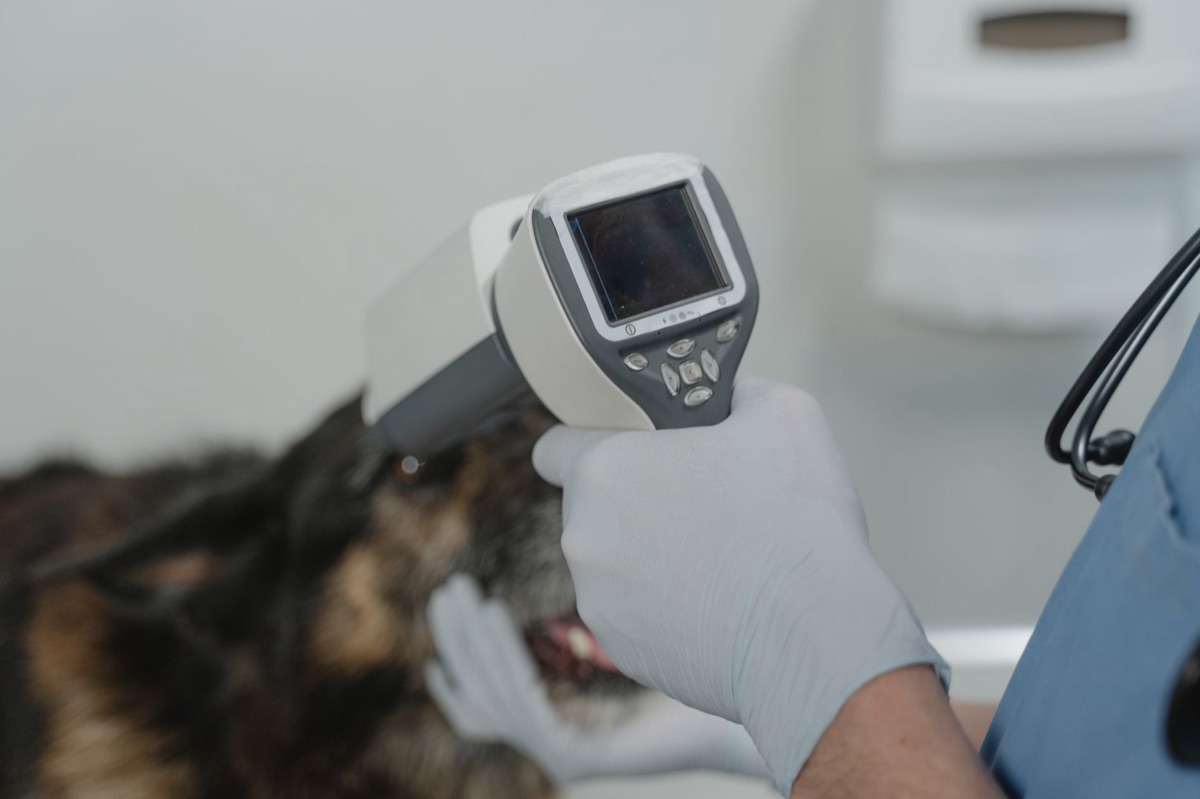
When is it an immediate emergency? The floor is cold, and your hamster is twitching uncontrollably near the corner of the enclosure. You realize a sudden trauma or a neurological event has occurred, and every second counts.
Life-threatening emergencies demand immediate transport to a clinic. This includes visible trauma from a fall, severe bleeding that does not stop with light pressure, or a suspected intestinal obstruction where the pet is straining without results.
In these moments, the "Wait and Watch" threshold has been crossed; there is no safe period for observation.
Small animals have specific vulnerabilities that make these scenarios more dangerous. For instance, respiratory infections in small rodents can progress to systemic failure much faster than in larger mammals.
Metabolic acidosis—a dangerous imbalance in the body's chemistry—can also occur rapidly during digestive crises.
While traveling to the clinic, focus on stabilization. Keep the pet in a dark, quiet, and temperature-controlled container. Minimize handling to reduce stress, as extreme stress can exacerbate respiratory distress or cardiac issues in tiny bodies.
| Symptom Severity | Action Required | Example Scenario |
|---|---|---|
| Low | Monitor & Log | Slight decrease in activity; eating slightly less. |
| Moderate | Schedule Appointment | Mild diarrhea; sneezing; slight weight loss. |
| High (Emergency) | Immediate Vet Visit | Seizures; gasping for air; bleeding; no movement. |
Non-Emergency Concerns & Supportive Care
You sit on the floor of the living room, watching your rabbit nibble a small piece of cilantro. She seems a bit slower than usual, but she is still interacting with her environment.
According to the Journal of environmental management, comprehensive analyses identified 46 potential targets associated with PET-MPs exposure in 2025.
Research published in the Journal of environmental management in 2025 identified 46 potential targets associated with PET-MPs exposure.
Minor ailments do not always require a midnight emergency run. Issues like mild digestive upset or slight lethargy might be managed through environmental adjustments.
Often, a change in the cage setup, such as adjusting the ambient temperature or ensuring the bedding is not causing irritation, can alleviate minor discomfort.
Environmental factors play a massive role in small pet health. A sudden drop in room temperature can lead to torpor in certain small species, which looks like a medical emergency but may be a response to cold. Conversely, overheating can lead to rapid dehydration.
Dietary adjustments can serve as temporary supportive care. While waiting for a scheduled vet appointment, you might offer highly palatable, soft foods to encourage eating. However, never attempt to medicate a small pet with human drugs or unverified supplements, as this can be fatal.

When to Seek Professional Medical Advice
The notebook on your desk is filled with scribbled notes about your pet's behavior over the last week. You prepare to call the vet, noting exactly when the lethargy started and what the stool looked like this morning.
To make the most of a veterinary visit, you must gather specific information. Create a symptom log that includes the exact time of onset, any observed physical changes (like swelling or discharge), and a list of everything the pet has eaten in the last 24 hours.
This data is invaluable for a veterinarian attempting to narrow down a cause.
The vet visit spectrum ranges from a routine check-up to emergency surgery. An "urgent visit" is for issues that aren't immediately fatal but cannot wait days, such as a persistent skin irritation or a slight limp. An "emergency" is for the life-threatening scenarios discussed previously.
Modern veterinary medicine utilizes advanced diagnostics to solve complex cases. While you cannot perform these at home, knowing they exist can provide peace of mind. Veterinarians may use metabolic panels to check organ function or specialized imaging to look for internal obstructions.
How to Prepare for an Emergency Vet Visit:
- Secure the Pet: Place the animal in a secure, padded travel carrier. 2. Gather Records: Grab any recent medical records or a list of current medications. 3. Collect Samples: If the issue involves diarrhea or unusual urine, bring a sample in a clean container. 4. Note the Timeline: Be ready to tell the vet exactly when the symptoms began. 5. Call Ahead: If possible, call the clinic while en route so they can prepare for your arrival.
Advanced Considerations
The light from the desk lamp flickers as you read through the complex biological processes that govern your pet's health. You realize that what looks like a simple symptom is often the result of a deep, systemic struggle.
According to EJNMMI research, k PL was associated with cancer tissue LDHA concentration with a rho of 0.641 in 2025.
According to the European journal of haematology, a deeper mechanistic understanding is essential to optimize PD-1-based therapy in 2026.
Understanding the underlying causes of illness helps owners stay proactive. For example, a digestive issue in a guinea pig might not just be a "stomach ache" but could be a sign of a complex nutritional deficiency or a bacterial imbalance.
As diseases progress, they often move from local symptoms (like a runny nose) to systemic issues (like lethargy and fever).
It is important to recognize the limits of home observation. While being a "proactive owner" is helpful, it does not replace the diagnostic capabilities of a trained professional. No amount of monitoring can substitute for a blood test or a physical examination when a pet is in distress. FAQ
How do I know if my hamster is just sleeping or in trouble? Small rodents have distinct sleep cycles. If your pet is unresponsive to gentle touch, sounds, or nearby movement, or if their breathing seems heavy and labored, treat it as a medical emergency.
Can a change in temperature cause an emergency? Yes. Small animals struggle to regulate their body temperature. Extreme heat can lead to rapid dehydration and heatstroke, while extreme cold can lead to lethargy and a dangerous drop in core temperature.
What should I do if my pet stops eating? Refusal to eat is a major red flag for small animals. While you should contact your vet immediately, you can try offering highly palatable treats (like a small piece of fruit, if appropriate for the species) to see if they will take anything at all.
Is diarrhea always an emergency? Not always, but it is a high-priority concern. If the diarrhea is accompanied by lethargy, blood, or a lack of appetite, it is an emergency. If the pet is acting normally, it may be a minor dietary issue, but you should still consult a vet.
Should I give my pet water if they seem dehydrated? If the pet is conscious and able to swallow, you can offer water or a specialized electrolyte solution. However, if the pet is lethargic or unresponsive, do not force liquids into their mouth, as this can lead to aspiration.
*Disclaimer: This guide is intended for informational purposes only and does not constitute medical advice, diagnosis, or treatment. Small animals are highly sensitive; always seek the advice of a qualified veterinarian with any questions regarding a medical condition.
If you suspect your pet is experiencing a medical emergency, contact an emergency veterinary clinic immediately.*








Comments 0