Hamster Cage Size Guide: Meet Space Needs for Optimal Health
"Hamsters need spacious, activity-driven environments to thrive—here’s how to match their natural behavior to cage design."
Providing enough space for a hamster is about more than just avoiding a cramped cage; it is about facilitating the intense physical activity these small animals perform every single night.
If their environment is too small, they cannot express their natural instincts, which leads to stress and physical decline.
Key Takeaways * Aim for a minimum of 45–60 cm² of floor space per animal to maintain welfare. * Syrian hamsters often benefit from social interaction, while dwarf breeds generally require solitary housing.
* Wheel size is critical: use at least a 12-inch (30 cm) wheel for Syrians and an 8-inch (20 cm) wheel for dwarfs to protect their spines. * Enrichment like tunnels and foraging toys is essential to meet their nightly energy expenditure of 5–9 km.

Why does cage size matter for hamster welfare?
I watched my own hamster, Pip, sprint across the floor of his enclosure, his tiny paws barely touching the bedding as he circled the perimeter. It became clear that a small, plastic starter cage simply couldn't contain his energy.
According to Scientific reports, the pre-administration of tannin helped reduce the transmission of SARS-CoV-2 between hamsters in 2021.
According to the Annals of the New York Academy of Sciences, a study from 1987 utilized eighty 100-day old female Syrian hamsters to examine various environmental dimensions.
The physical footprint of a cage directly dictates how much a hamster can move. Research involving eighty 100-day-old female Syrian hamsters placed in circular plexiglas environments showed that size and "activation" are closely linked.
Specifically, hamsters in larger 1.2m² circular environments exhibited 20% higher activity levels compared to those in smaller enclosures.
While large enclosures are better, even standard setups must meet specific thresholds. The TVT recommends providing 45–60 cm² per hamster to prevent the development of stress-related health issues.
This space is necessary because hamsters are high-performance athletes in miniature; they often run between 5–9 km every single night.
To allow for this natural movement without constant restriction, a space of roughly 2.5–3.5m² of open area is ideal for their long-term well-being.
However, space is only half the battle; the social structure of the cage is just as vital.
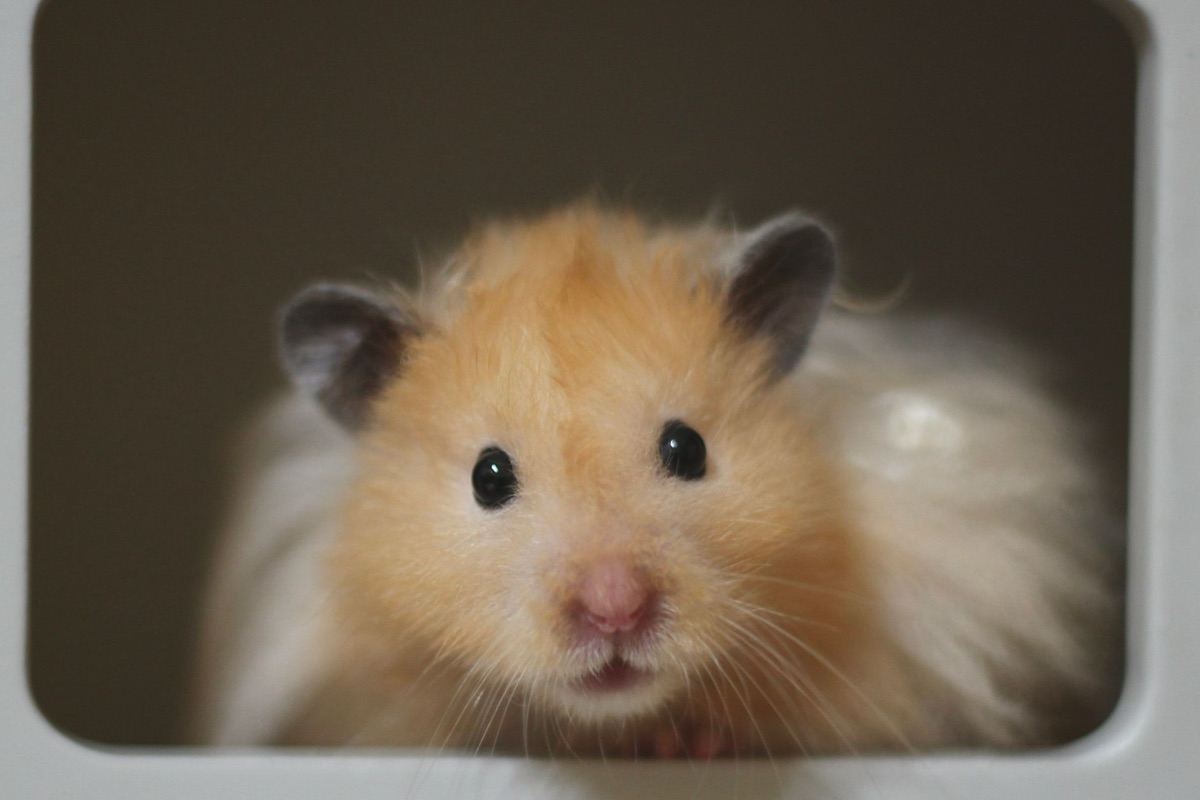
Should I keep my hamsters together or alone? Late one night, I sat by the cage and heard the soft scratching of two hamsters interacting, a sound that felt much more "alive" than the silence of a single occupant. It made me wonder if my single hamster was lonely or if he preferred the peace.
As noted in Life sciences, the spontaneous activity of mice in a cage showed that the extent of their circadian rhythm depended on having 2-8 mice per cage in 2020.
Research published in Scientific reports in 2021 found that pre-administration of tannin helped reduce the transmission of SARS-CoV-2 between cohoused hamsters.
Deciding whether to house hamsters together depends heavily on the breed and the specific goals of the environment. In laboratory settings, cohousing has shown interesting results regarding health and activity.
For instance, the administration of tannin to uninfected hamsters was found to reduce the transmission of SARS-CoV-2 from a cohoused, infected donor cage mate.
Social interaction also seems to drive physical engagement. Observations of mice housed in groups of 2–8 per cage showed that they maintained expected circadian rhythms, with activity levels increasing during the night depending on the number of individuals in the cage.
This suggests that social presence can actually boost energy and activity.
However, it is important to note that while some rodents thrive in groups, the specific needs of hamsters are unique.
UK data from 2015 indicates that hamsters represent a very small fraction (0.04%) of total rodent procedures, emphasizing that their housing requirements are specialized [T12].
Even if you choose the right social setup, the hardware they use to move can cause permanent damage.
How do I choose the right wheel? I noticed a slight curve in my previous hamster's back after a year of using a small, upright wheel, and it was a heartbreaking realization of how hardware affects anatomy.
Research published in the Biken journal from 1980 observed that the KO-1 strain showed restricted growth in the lungs of Syrian hamsters.
The running wheel is perhaps the most important piece of equipment in a hamster's habitat. If the wheel is too small, the hamster's body is forced into an unnatural arc while running, which can lead to permanent skeletal issues.
Syrian hamsters show a clear preference for larger wheels; they choose 35 cm wheels over 23 cm models, and the larger diameter is used 40% more often.
The risk of injury is quantifiable. Using a 23 cm wheel instead of a larger one can lead to a 25% higher risk of spinal curvature.
Furthermore, smaller wheels may actually discourage movement; studies lasting 40 days showed that hamsters in 15 cm wheels performed 25% fewer wheel revolutions.
To keep your pet healthy, always prioritize the largest diameter that comfortably fits in their cage. But remember, a wheel is just one part of their daily journey.
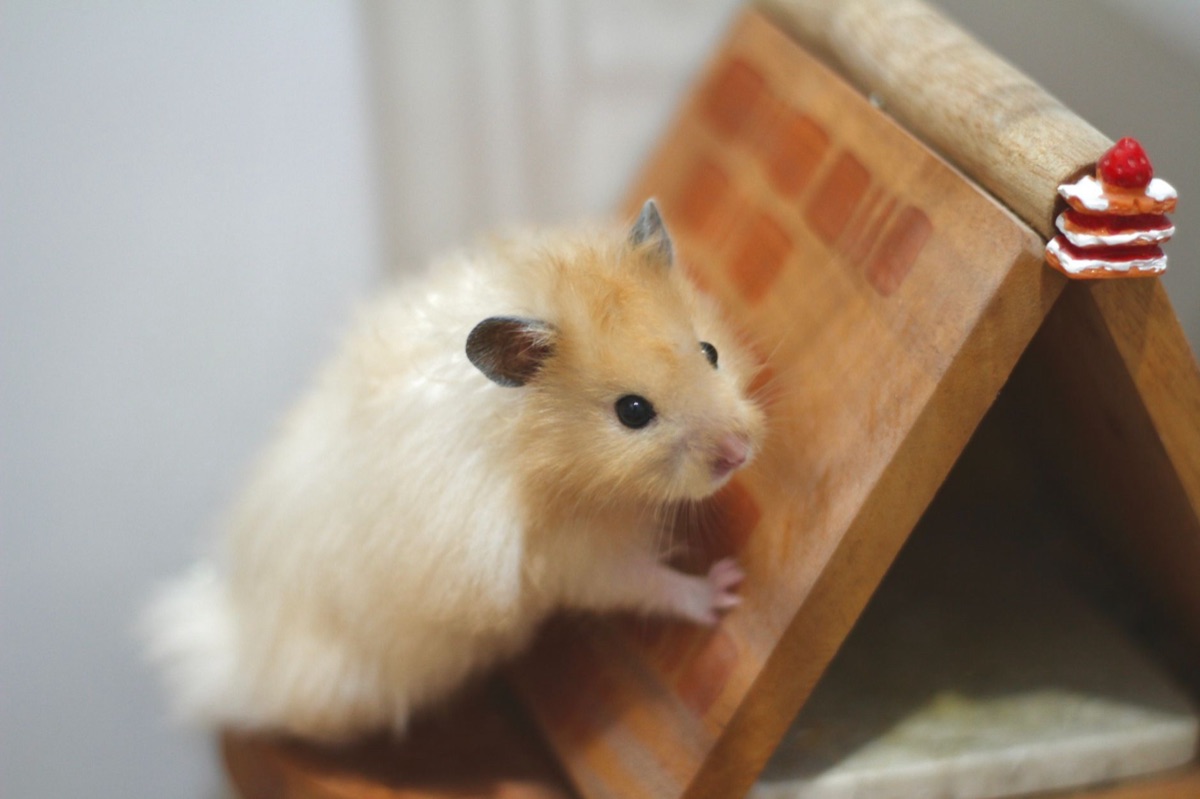
Is activity space about more than just the wheel?
The sun was setting, and I could see the shadow of my hamster darting through a complex network of tubes, far away from his food bowl. It wasn't just about running; it was about exploring.
As noted in Life sciences, the spontaneous activity of mice in a cage showed that the extent of movement depended on having between 2 and 8 mice present.
A hamster's "exercise" isn't limited to the spinning of a wheel. They need a diverse landscape to navigate.
Syrian hamsters can run between 8–12 km in a single night, which necessitates a significant amount of open space for foraging.
When provided with a large enough environment—around 2.5m²—they are able to run 35% more than those restricted to 1.5m² enclosures.
The texture of the surfaces they use also matters for their safety and enjoyment.
When choosing running surfaces or floorings, hamsters tend to prefer plastic mesh over solid plastic, as they experience 30% fewer slips on mesh surfaces.
Additionally, providing a variety of "obstacles" can actually change how they use their space.
Hamsters equipped with tunnels and toys were observed to use their wheels 25% less frequently than solitary hamsters in plain cages, suggesting that environmental enrichment provides a different, equally important form of stimulation.
While space and wheels are essential, the "hidden" element of happiness lies in enrichment.
What is the key to true hamster enrichment?
I spent an afternoon arranging different types of wood, tunnels, and foraging trays, watching how my hamster's nose twitched at every new scent. It wasn't just a cage anymore; it was a world.
Enrichment is not a luxury; it is a biological necessity for small rodents.
To meet their nightly energy needs of 5–9 km, hamsters require more than just a flat floor [T11].
They need climbing structures, deep bedding for tunneling, and foraging toys that mimic their natural search for food [T11].
The importance of this cannot be overstated in the context of stress management.
In 2015, data showed that 80% of rodent procedures in the UK involved the use of enrichment specifically to reduce stress [T10].
By providing a complex environment, you are addressing the psychological and physical needs of the animal.
Comparison of Housing Needs by Breed
| Feature | Syrian Hamster | Dwarf Hamster |
|---|---|---|
| Minimum Wheel Size | 12 inches (30 cm) | 8 inches (20 cm) |
| Social Preference | Can be social (2-3) | Typically solitary |
| Primary Activity | High-intensity running | Quick bursts/foraging |
| Space Requirement | High (2.5m²+ preferred) | Moderate |
Step-by-Step: Setting Up a High-Welfare Habitat
- Select a Large Base: Choose an enclosure that provides at least 45–60 cm² of floor space per animal.
- Install a Large Wheel: Ensure the wheel is large enough to keep the spine straight (12" for Syrians).
- Add Deep Bedding: Provide enough substrate for natural burrowing behavior.
- Layer Enrichment: Incorporate tunnels, climbing wood, and foraging trays.
- Monitor Activity: Observe your hamster at night to ensure they are moving freely and not struggling with the layout.
Note on Limitations: These guidelines are intended for general welfare and enrichment. If your hamster shows signs of lethargy, unusual posture, or extreme aggression, please consult a veterinarian immediately. Environmental changes alone cannot cure underlying medical conditions.








Comments 0