Pet food regulation history: Why industry matters most
"The regulatory landscape of pet food is a complex web of jurisdictional boundaries and evolving nutritional science."
The evolution of pet food regulation is defined by the shift from simple feeding practices to high-level oversight involving multiple government agencies. This guide examines how industry groups and international bodies shape safety standards through legislative engagement and scientific research.
Key takeaways include the importance of jurisdictional clarity, the role of industry-led research in food security, and the necessity of cross-border standardization.
How did pet food regulation history shape modern safety?

A researcher sits at a desk, flipping through decades of legislative archives to trace the origins of food safety. The history of pet food regulation is often marked by jurisdictional disputes between different government bodies.
In one instance, the USDA revoked a specific label on January 12, 2016, stating it had no jurisdiction over matters that fell under FDA regulations. This moment highlighted the tension between different agencies regarding which body oversees specific feed types.
Understanding pet food regulation history requires recognizing these jurisdictional shifts.
Modern oversight has moved toward more specialized management to prevent such overlaps. This historical context explains why current agencies often have strictly defined roles.
- Identify historical contamination patterns.
- Develop targeted oversight protocols.
- Implement corrective legislative measures.
What roles do industry associations play in pet food standard setting?
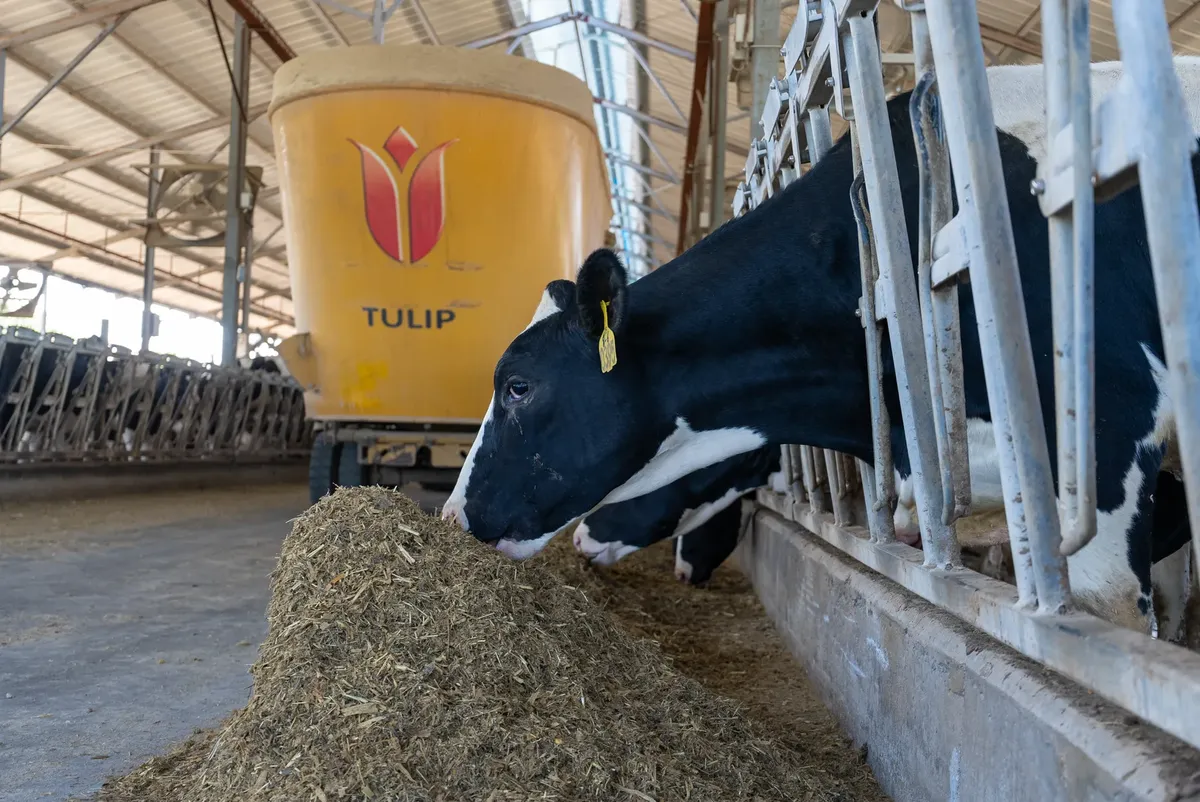
An industry representative prepares a briefing for a national legislative committee regarding feed quality. The American Feed Industry Association (AFIA) serves as a not-for-profit organization that represents the feed industry in industry-wide events and national and state legislation.
According to the British Small Animal Veterinary Association, the 2016 British Small Animal Veterinary Association Congress discussed the health implications and nutritional balance of raw feeding.
By engaging in these legislative processes, the AFIA helps shape the framework of pet food standard setting. This involvement ensures that the industry has a voice in the laws that govern its production.
Such participation is vital for maintaining a balance between business operations and public safety.
The organization also works to ensure that legislative changes are practical for manufacturers. This engagement helps prevent sudden regulatory shifts that could disrupt the supply chain.
In this sequence, the second step is the most extensive.
How does animal food law evolution influence nutritional science?
A scientist examines a sample of specialized diet in a laboratory setting to verify its composition. The evolution of animal food law evolution is frequently driven by new discoveries in veterinary medicine and nutrition.
In 2016, the British Small Animal Veterinary Association Congress discussed the health implications and nutritional balance of raw feeding. This discussion reflects how professional veterinary consensus can influence the direction of dietary standards.
Such scientific discourse often precedes changes in formal regulation.
As medical understanding grows, the legal requirements for nutritional balance often follow. This ensures that pet foods meet the biological needs of animals.
What are the mechanisms for pet food safety rules?
A quality control officer walks through a manufacturing facility, checking compliance with established protocols. Effective pet food safety rules often rely on collaboration between various specialized groups.
The AFIA collaborates with associations and organizations such as the Association of American Feed Control Officials and the Institute for Feed Education & Research. This collaboration allows for a more cohesive approach to pet food safety rules.

By working together, these groups can develop comprehensive guidelines that address diverse industry needs.
These partnerships help bridge the gap between theoretical research and practical application. It creates a unified front against foodborne hazards.
How is global pet food standards achieved through cooperation?
A diplomat reviews international trade documents to ensure compliance with cross-border requirements. Achieving global pet food standards requires a mixture of third-party certifications and inter-governmental recognition.
For example, the SF/SF certification program is a third-party program recognized by the Food and Drug Administration (FDA) as a model for producing safe feed. Additionally, this certification is recognized by the European Commission and The Feed Additives and Pre-Mixtures Association.
These international recognitions help facilitate smoother trade and consistent quality across different regions.
When multiple nations recognize the same certification, it reduces the complexity of global trade. This consistency benefits both producers and consumers worldwide.
How does industry engagement contribute to food security?
A group of professionals gathers at a large convention hall to exchange ideas on agricultural advancements.
The AFIA sponsors educational seminars and workshops throughout the year, contributes to agricultural research that contributes to food safety and security, and organizes industry conventions to foster communication.
This multifaceted approach ensures that the industry remains informed and proactive. By contributing to agricultural research, the association helps bolster food security through better-informed production methods.

The focus on communication through conventions prevents the isolation of industry knowledge.
The ability to share research across the industry is a cornerstone of modern food safety. It allows for the rapid adoption of best practices.
| Program Type | Recognized By |
|---|
| SF/SF Certification | European Commission |
I have seen how these collaborative efforts between different organizations create a more stable environment for pet owners.
The limitation of these regulatory frameworks is that they are subject to the specific jurisdictional boundaries of each nation, such as the 2016 USDA decision regarding FDA authority.
The same subject is also called pet food market control.
This part also covers veterinary diet regulation.
Related







Comments 0