One Health: Linking Wildlife and Pet Health for Safety
"The health of our pets, our families, and the planet are not separate entities, but a single, interconnected web."
The health of a golden retriever in a suburban backyard is inextricably linked to the health of the local forest and the humans living next door. Understanding this connection is the first step in preventing the next great health crisis.
Key Takeaways
* Zoonotic diseases bridge the gap between wildlife, domestic animals,s and humans. * The "One Health" approach is essential for monitoring emerging infectious diseases. * Protecting pet health is a proactive step in global environmental health. * Hygiene, vaccination, and environmental awareness are the primary defenses.

Why is the health of wildlife linked to our living rooms?
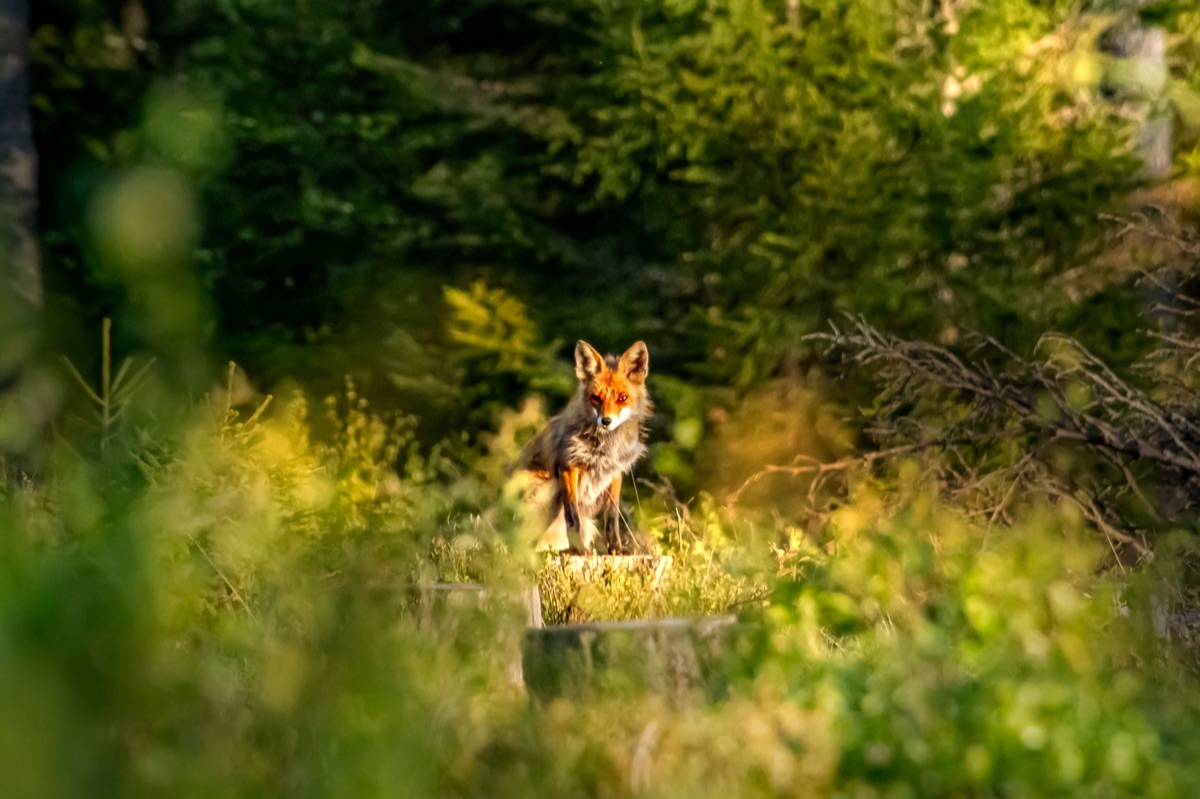
A hiker in the Pacific Northwest notices a deer acting unusually erratic near a trail, while a few miles away, a veterinarian notes a spike in respiratory issues in local dogs. These two events are not isolated; they are threads in the same tapestry.
The "One Health" concept defines the intersection of human, animal, and environmental health as a single, unified system. When we look at health through this lens, we realize that a pathogen doesn't care if its host is a wild coyote or a pampered house cat; it only cares about finding a viable host.
A "spillover event" occurs when a pathogen moves from a wild reservoir—like a bat or a rodent—into a domestic animal, and eventually into a human population. As human expansion pushes residential developments deeper into wild habitats, the frequency of contact between these groups increases.
This habitat encroachment creates new opportunities for pathogens to jump across species boundaries.
Studying wildlife diseases serves as an early warning system. Because wild animals often interact with the environment in more direct ways, shifts in their health can signal emerging threats that might soon reach our domestic pets and our own homes.
However, the most common threats often arrive not from the deep woods, but through much smaller, more common channels.

What are zoonotic diseases and how do they move?
A child reaches out to pet a stray cat in a city park, unaware that the animal might be carrying something that could affect the entire household.
Zoonosis refers to diseases that can be transmitted from animals to humans, and in some cases, from humans back to animals. These pathogens move through several common pathways. Direct contact, such as bites, scratches, or touching bodily fluids, is a common route.
Indirect contact occurs when pets touch contaminated surfaces, like a garden shovel or a shared water bowl. Vector-borne transmission, involving ticks, mosquitoes, or fleas, allows diseases to travel quietly through the environment.
Domestic pets often act as "sentinels." Because they live in close proximity to us, their symptoms can sometimes signal environmental shifts or the presence of a new pathogen in the local ecosystem.
For example, a sudden cluster of tick-borne illnesses in a neighborhood might reflect a larger environmental change in local deer or rodent populations.
Regular veterinary check-ups are vital because many animals can be asymptomatic carriers. A pet might look perfectly healthy while carrying a pathogen that could pose a risk to a more vulnerable family member, such as a child or an elderly relative.
But how do we actually translate these scientific concepts into a daily routine at home?
How can we apply the One Health approach to pet parenting?
A veterinarian sits in a quiet exam room, reviewing a pet's vaccination record while discussing the importance of local parasite cycles with a concerned owner.
Applying the One Health approach to pet parenting means viewing your pet's health as a component of your family's safety.
Vaccination acts as a primary shield; by protecting your pet from diseases like rabies or leptospirosis, you are simultaneously protecting your household from those same pathogens.
Biosecurity at home is another crucial layer. Managing hygiene after walks in wooded areas or after contact with wildlife is essential. This includes washing hands immediately after outdoor activities and being mindful of what your pet brings into the house on their fur or paws.
Effective parasite control is not just about the comfort of your pet; it is about preventing environmental contamination. Managing fleas, ticks, and worms prevents these vectors from becoming bridges for disease between your pet and your family.
When you notice unusual symptom clusters in your pet, professional veterinary consultation is the only reliable way to navigate these complex health intersections.
The shift from theory to action requires a clear, repeatable plan.
What are the steps for preventing zoonotic transmission?
A parent stands at the kitchen sink, scrubbing their hands after cleaning a cat's litter box, reinforcing a habit of hygiene that protects the whole family.
Preventing the spread of disease requires consistent, disciplined habits. You can manage these risks through a structured approach to hygiene and environmental management.
- Strict Hygiene Protocols: Always wash your hands with soap and water after handling pets, cleaning litter boxes, or cleaning animal cages.
- Safe Outdoor Management: Discourage pets from investigating wildlife feces or investigating carcasses in the yard. If your pet interacts with wildlife, clean their paws and fur regularly.
- Regular Professional Screening: Schedule annual veterinary visits that include blood work and parasite testing to catch issues before they become infectious threats.
- Environmental Monitoring: Keep living spaces clean to prevent the buildup of dust, mold, or organic matter that could harbor pathogens.
| Prevention Method | Primary Goal | Frequency |
|---|---|---|
| Vaccination | Prevent disease entry | As scheduled by veterinarian |
| Handwashing | Prevent direct transmission | After every pet interaction |
| Parasite Control | Prevent vector-borne spread | Monthly or seasonally |
| Regular Vet Visits | Early detection/screening | Annually or bi-annually |
I remember watching my neighbor clean their golden retriever after a muddy trek through the woods. They didn't just wash the dog; they immediately washed their own hands and changed their clothes. That level of awareness is the essence of preventing zoonotic spread.
However, knowing when to move from routine care to emergency action is just as vital.
When should a pet owner contact a veterinarian immediately?
A pet owner stares at their dog, who is lying unusually still on the rug, feeling a sudden sense of urgency as they realize something is wrong.
Identifying "red flag" symptoms is critical. If your pet shows a sudden fever, extreme lethargy, or unexplained skin lesions, contact a veterinarian immediately. These can be signs of an infectious disease that requires professional intervention.
It is also important to be aware of "reverse zoonosis." This is when a human passes a disease to a pet. Because humans and animals share many biological pathways, a sickness in the house can move in both directions.
In an emergency, you must decide whether a symptom is a routine issue or an infectious threat. If multiple animals in the house show similar symptoms, or if the symptoms involve fever and neurological changes, treat it as a potential infectious threat and isolate the pet if possible.
*Disclaimer: Always consult a veterinarian for diagnosis. These guidelines are intended for awareness and prevention, not as a substitute for professional medical advice. Note that while these measures reduce risk, they cannot eliminate it entirely, especially in areas with high wildlife density.*







Comments 0