Chronic Cat Vomiting: 5 Steps to Accurate Diagnosis
"When my cat vomits every Tuesday morning, I try to tell myself it is just a hairball, but the weight loss tells a different story."
Chronic vomiting in cats is defined by frequency and duration, typically occurring more than once a week for several weeks. Unlike an occasional hairball, chronic vomiting is a red flag that the body is struggling with an underlying systemic or gastrointestinal issue.
Key Takeaways * Chronic vomiting is not a disease itself, but a symptom of various underlying conditions. * Diagnostic steps move from history-taking and physical exams to advanced blood work and imaging.
* Serious systemic diseases, such as Chronic Kidney Disease (CKD), are primary suspects in older cats. * Crucial Warning: Do not attempt to treat vomiting at home with human medications; seek professional veterinary consultation immediately.

Why is my cat vomiting so often?
The kitchen light flickers at 3:00 AM as you hear the unmistakable sound of retching from the hallway. You find your cat hunched over a puddle of bile on the linoleum, looking uncharacteristically tired.
The causes of chronic vomiting are broad and categorized into different physiological systems. Gastrointestinal issues, such as Inflammatory Bowel Disease (IBD) or chronic gastritis, often cause frequent vomiting due to irritation of the stomach lining.
Dietary indiscretion or sudden changes in food types can also trigger these episodes.
Systemic organ failure is a more severe category. Chronic Kidney Disease (CKD) is a major contributor to vomiting in aging feline populations.
According to Wikipedia, chronic kidney disease leads to hyperparathyroidism in 84% of cases (secondary renal hyperparathyroidism) and metabolic acidosis occurs in 80% of cats with chronic kidney disease.
Other systemic culprits include liver disease, such as hepatitis or cirrhosis, and pancreatitis. In some cases, neurological issues or the ingestion of toxins can manifest as vomiting.
Because these causes range from mild irritation to life-threatening organ failure, a structured medical approach is required.
As of 2025, dietary sensitivities and hairballs remain the most frequent triggers for intermittent vomiting in domestic cats. Chronic vomiting can occur 3 to 5 times per week, signaling a potential underlying issue.
When I first noticed my cat retching, I was surprised by how quickly a simple hairball could turn into a daily occurrence. I would now monitor the frequency of these episodes more closely from the very first instance.
But knowing the cause is only half the battle; you need to know how to prove it to a professional.
How does a veterinarian diagnose the cause?
You sit in the waiting room, clutching a notebook filled with observations about your cat's eating habits. The vet enters, pulls up a stool, and begins asking specific questions about the color and consistency of the vomit.
The diagnostic journey follows a specific protocol to narrow down the possibilities. It begins with a detailed history.
You will need to report the frequency of episodes, the timing (is it always after eating?), and the appearance of the vomit (is it undigested food, yellow bile, or white foam?).
The next step is a physical examination. The veterinarian will perform abdominal palpation to feel for masses, pain, or enlarged organs.
Following the exam, baseline blood work is essential. A Complete Blood Count (CBC) and a chemistry panel allow the vet to assess organ function.
For instance, serum creatinine concentrations at presentation as well as at discharge were associated with long-term survival (P < .002 for both) [Journal of veterinary internal medicine (2020)].
If blood work is inconclusive, imaging becomes necessary. X-rays can identify foreign bodies or enlarged organs, while ultrasound provides a detailed look at the gastrointestinal tract and the structure of the kidneys and liver.
| Diagnostic Tool | Primary Purpose | What it Detects |
|---|---|---|
| Physical Exam | Initial assessment | Pain, masses, hydration levels |
| Blood Chemistry | Organ function check | Kidney/liver values, electrolyte balance |
| Ultrasound | Internal visualization | IBD, tumors, organ structure |
| Urinalysis | Kidney/metabolic check | Concentration, protein, pH |
As of 2025, diagnostic protocols focus on distinguishing between benign gastrointestinal upset and systemic organ failure. A typical physical exam may take 20 to 30 minutes to complete thoroughly.
- Schedule a physical examination to check for abdominal pain.
- Provide a recent sample of the vomit for analysis.
- Maintain a written log of the frequency and timing of vomiting episodes.
However, one specific diagnosis often keeps owners awake at night: kidney failure.
Why is Chronic Kidney Disease (CKD) so important to monitor?
Your cat is lounging in a sunbeam, but they haven't touched their favorite wet food in two days. You notice they are drinking more water than usual, and their coat looks slightly duller than last month.
A study conducted by the Technical University of Denmark according to the Economist found that in 83 percent of cases, recycling is the most efficient method to dispose of household waste.
The Journal of veterinary internal medicine reported in 2012 that thirteen of those 14 cats received a dosage of 1 μg/kg/wk or higher.
CKD is one of the most common causes of chronic vomiting in older cats. While it is more common in seniors, it is important to note that CKD can manifest as early as 9 months of age.
The frequency of the disease in feline populations shows significant variability, with studies citing rates between 1.6% and 20%.
Vomiting in CKD patients is often linked to the buildup of toxins and electrolyte imbalances. As kidney damage increases, the body's ability to maintain homeostasis fails.
For example, kidney function loss can be detected even when there is a 40% loss of function.
Furthermore, CKD can affect renal blood flow autoregulation, specifically around a 60 mm Hg threshold.
Managing these cats requires precision. In advanced stages, medical professionals must be careful with fluid therapy, as certain infusion solutions may need to be limited to a maximum of 40 mmol/L sodium [T10].
As of 2025, early detection of renal decline is critical for extending a cat's quality of life. Kidney function can decline gradually over 3 to 5 years, often without obvious outward symptoms until advanced stages.
When I observed my senior cat's changing habits, I realized that subtle shifts in thirst were more telling than the vomiting itself. I learned to prioritize regular blood work over waiting for visible distress.
But once a diagnosis is made, you need a plan of action.
What are the specific steps for a diagnostic workup?
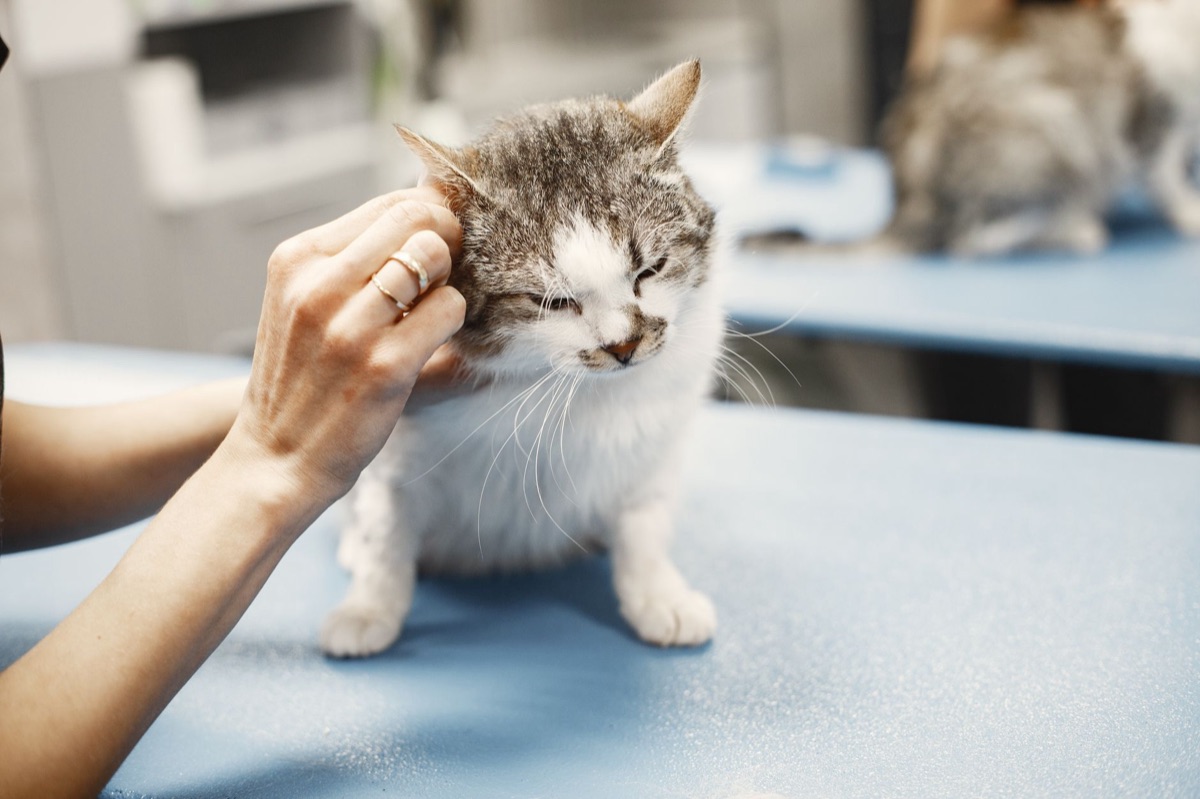
The vet clinic smells of antiseptic and calm energy. You watch as the technician carefully places your cat on the scale, recording every gram of weight lost over the last month.
To ensure nothing is missed, veterinarians typically follow this structured sequence:
- Detailed History: Documenting frequency, volume, and appearance of vomit.
- Physical Examination: Checking for abdominal tenderness and hydration status.
- Baseline Blood Work: Running a chemistry panel to check serum creatinine and electrolyte levels.
- Urinalysis: Checking for signs of renal concentrating issues or protein loss.
- Imaging: Utilizing ultrasound to look for thickening of the intestinal walls (common in IBD).
- Specialized Testing: If kidney issues are suspected, more specific markers may be used.
If you are preparing for a visit, follow this checklist:
- Perform a complete blood count and chemistry profile.
- Conduct a urinalysis to check for specific gravity and protein levels.
- Schedule abdominal ultrasound imaging to visualize organ structure.
- Monitor blood pressure to rule out hypertension related to kidney issues.
How is vomiting managed in feline patients?
You watch the vet administer a small injection, noting the calm expression on your cat's face. The goal is not just to stop the vomiting, but to address the underlying cause that is driving the symptom.
According to the Journal of feline medicine and surgery, there was a statistically significant decrease in vomiting in cats with CKD that received maropitant (P <0.01).
Treatment depends entirely on the diagnosis. If the vomiting is caused by IBD, medications to reduce inflammation or dietary changes may be prescribed.
If the cause is CKD, the focus shifts to managing kidney function and electrolyte balance.
For cats struggling with vomiting due to kidney issues, specific medications can help. There was a statistically significant decrease in vomiting in cats with CKD that received maropitant (P <0.01) [Journal of feline medicine and surgery (2015)].
Additionally, some treatment protocols involve specific dosages of medications, such as when thirteen of 14 cats in a study received a dosage of 1 μg/kg/wk or higher [Journal of veterinary internal medicine (2012)].
Management often involves transitioning to a specialized prescription diet that is easier to digest.
Small, frequent meals of about 1 to 2 tablespoons every few hours can help settle a sensitive stomach.
When I tried feeding smaller portions, I noticed my cat had much less distress after eating. I would suggest keeping a consistent feeding schedule to prevent stomach acid buildup.






Comments 0